Using the right soft wash chemicals is crucial for effective cleaning. These products not only tackle tough stains but also protect surfaces from damage. Soft washing helps you maintain your property’s appearance. Plus, industrial wash compounds can offer specialized solutions for heavy-duty cleaning tasks. Choosing the right chemicals ensures you achieve the best results.
Key Takeaways
Using the right soft wash chemicals, like sodium hypochlorite and hydrogen peroxide, ensures effective cleaning and protects surfaces from damage.
Always prioritize safety by wearing protective gear and following guidelines when using cleaning chemicals to avoid health risks.
Consider the type of surface and environmental impact when selecting soft wash chemicals to achieve the best results without harming your property or the planet.
Sodium Hypochlorite
Benefits
Sodium hypochlorite is a powerhouse when it comes to soft washing. It effectively kills algae, mold, and mildew, making it a go-to choice for many cleaning professionals. This chemical works by oxidizing organic matter, which is crucial for eliminating those pesky microorganisms. When you apply sodium hypochlorite, it breaks down the protective layers of these growths, ensuring thorough sanitization. For the best results, let the solution dwell on the surface for about 10 to 30 minutes. This waiting period allows the hypochlorite to do its job effectively.
Usage
You can use sodium hypochlorite in various soft washing applications. Here’s a quick guide on the recommended concentrations for different surfaces:
Surface Type | Recommended Concentration |
|---|---|
Asphalt Shingle Roofs | 3–5% |
Vinyl Siding | 0.5–1.5% |
Concrete and Brick | 2–4% |
Stucco | Under 1% |
When using sodium hypochlorite, always remember to dilute it properly. This ensures you get the cleaning power you need without damaging the surfaces you’re treating.
Safety
While sodium hypochlorite is effective, it’s essential to prioritize safety. Here are some common safety incidents reported during its use:
Rushing the site assessment
Choosing the wrong product
Guessing dilution
Ignoring weather conditions
Failing to protect plants
Working without proper safety documentation
To minimize risks, always follow safety guidelines. For instance, wear protective gear, including gloves and goggles, and ensure proper ventilation in your working area. Additionally, be aware of the potential for respiratory issues. Studies show that work-related asthma cases have been linked to cleaning products, including sodium hypochlorite.
By taking these precautions, you can enjoy the benefits of sodium hypochlorite while keeping yourself and your environment safe.
Surfactants in Soft Washing
Benefits
Surfactants play a vital role in enhancing the cleaning power of your soft washing solutions. They lower the surface tension of water, allowing it to spread and penetrate surfaces more effectively. This means you can tackle stubborn dirt, grime, and organic growth with ease. By using surfactants, you not only improve cleaning efficiency but also reduce the amount of chemical needed for effective results.
Usage
You can find various surfactant products on the market, each designed for specific applications. Here’s a quick look at some popular surfactants used in soft washing:
Product Name | Chemical Name | %Assay | Appearance | USE |
|---|---|---|---|---|
SCOWET M-70 | Di-Octyl Sulfosuccinate | 70 | Colorless Liquid | Effective penetrating and wetting agent. |
SCOWET DBC-70 | Dodecyl Benzene Sulfonate | 70 | Brown Liquid | Oil soluble emulsifier for agricultural chemicals. |
SCOWET OS-40 | Octyl Sulfate (Sodium Salt) | 40 | Yellowish Liquid | High alkaline tolerance wetting agent. |
SCOWET N-70 | Sodium Lauryl Ether Sulfate | 70 | Transparent Paste | N/A |
Using these surfactants in your soft washing solutions can significantly enhance your cleaning results.
Safety
While surfactants are generally safe, you should still take precautions when using them. Always wear protective gear, such as gloves and goggles, to avoid skin and eye irritation. Ensure proper ventilation in your workspace to minimize inhalation risks. Additionally, be mindful of the surfaces you’re treating, as some surfactants may not be suitable for all materials.
By following these safety guidelines, you can enjoy the benefits of surfactants while keeping your cleaning process safe and effective.
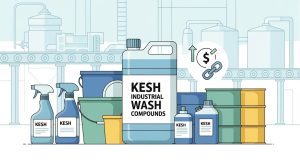
Industrial Wash Compounds
Benefits
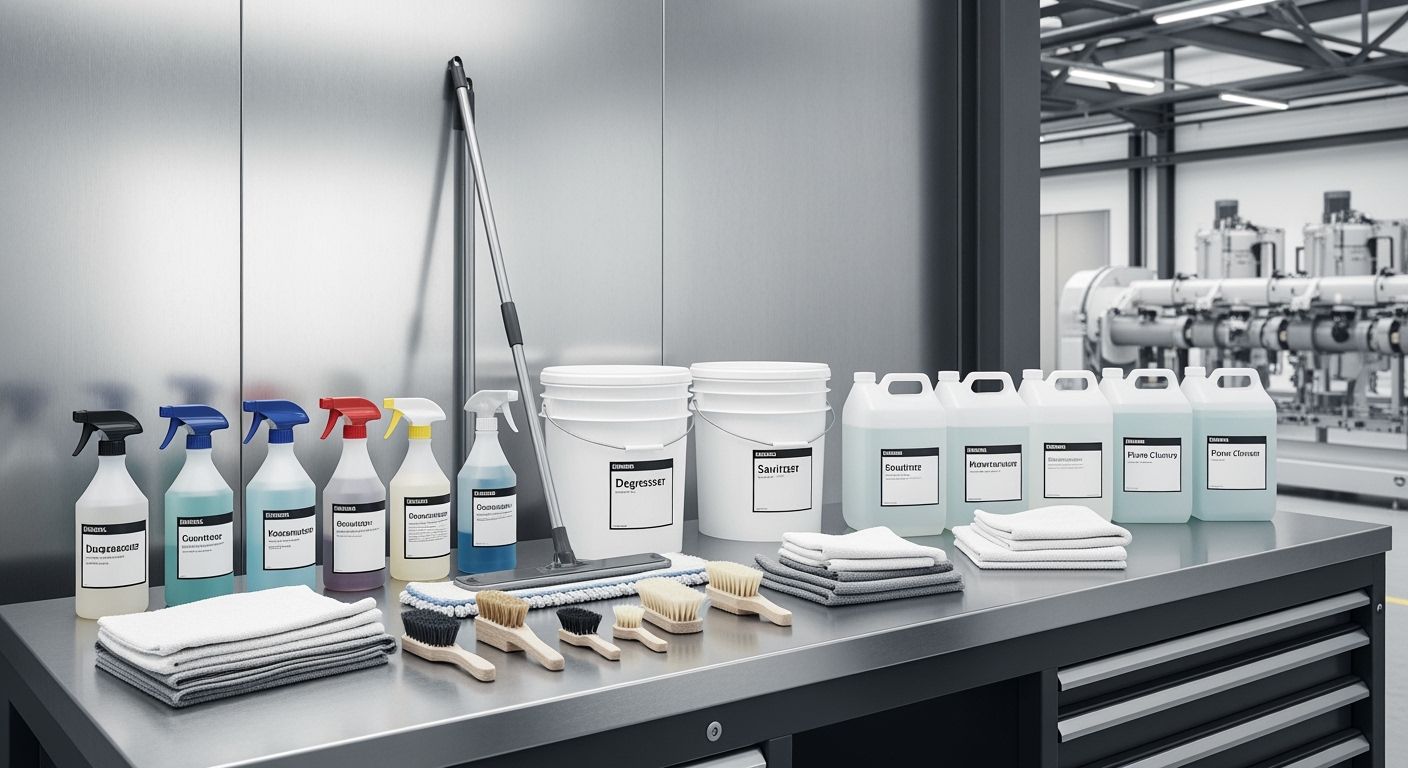
Industrial wash compounds are specialized cleaning agents designed for tough jobs. You’ll find them effective in removing heavy contaminants like oil, grease, and chemical residues. These compounds are essential in industrial settings, such as manufacturing plants and warehouses, where traditional cleaning methods often fall short. When you combine hot-water pressure washing with these commercial degreasers, you can break down petroleum-based buildup effectively. This ensures thorough cleaning and helps maintain safety standards in your workspace.
Usage
You can use industrial wash compounds in various applications, especially when dealing with large-scale surfaces. Here are some common uses:
Heavy Equipment Cleaning: Remove grease and grime from machinery.
Warehouse Floors: Clean oil spills and chemical residues.
Manufacturing Plants: Maintain cleanliness and safety in production areas.
These compounds work best when applied with the right equipment, ensuring you achieve optimal results.
Safety
While industrial wash compounds are powerful, safety should always come first. Here are some key safety guidelines to follow:
Controlling Residual Chemicals: Use chemical test kits to ensure residues are within safety limits.
Ensuring Water Quality for Washing: Utilize water filtration systems to minimize microbial contamination.
Protecting Workers: Provide Personal Protective Equipment (PPE) and develop Standard Operating Procedures (SOPs) for safe chemical handling.
Minimizing Environmental Impact: Install wastewater treatment systems to filter chemical residues.
By following these guidelines, you can safely use industrial wash compounds in your soft washing tasks while protecting yourself and the environment.
Hydrogen Peroxide
Benefits
Hydrogen peroxide is a fantastic option for soft washing. It effectively breaks down stubborn organic stains, making it a great choice for cleaning surfaces like roofs and siding. This chemical not only cleans but also disinfects, killing bacteria and fungi. Plus, it’s environmentally friendly. Unlike some harsh chemicals, hydrogen peroxide decomposes into water and oxygen, leaving no harmful residues behind.
Usage
When using hydrogen peroxide, you can apply it in various concentrations depending on the task at hand. Here’s a quick reference:
Surface Type | Recommended Concentration |
|---|---|
Roofs | 3–5% |
Siding | 1–3% |
Concrete | 5–10% |
Mix it with water for best results, and let it dwell for about 10 to 15 minutes before rinsing. This allows the solution to penetrate and lift dirt effectively.
Safety
Safety is key when using hydrogen peroxide. Always wear gloves and goggles to protect your skin and eyes. While it’s safer than many alternatives, it can still cause irritation. Ensure you work in a well-ventilated area to avoid inhaling fumes.
Remember, hydrogen peroxide is less harmful to the environment compared to other chemicals like sodium hydroxide, which is known for removing oils and grease. It’s a smart choice for those looking to clean effectively while being eco-conscious.
By following these guidelines, you can enjoy the benefits of hydrogen peroxide in your soft washing tasks without compromising safety or the environment.
Citric Acid
Benefits
Citric acid is a fantastic natural cleaner. It effectively removes scale deposits and prevents corrosion on metal surfaces. This makes it a great choice for soft washing applications. You can rely on citric acid as a biodegradable alternative to harsh chemicals. It helps maintain the integrity of the surfaces you clean while delivering impressive results. Plus, its chelating properties mean it binds to minerals, making it easier to wash them away.
Usage
When using citric acid for soft washing, you can mix it with water to create an effective cleaning solution. Here’s a simple guideline for preparing your mixture:
Surface Type | Recommended Concentration |
|---|---|
Roofs | 5–10% |
Siding | 3–5% |
Concrete | 10–15% |
Apply the solution to the surface and let it dwell for about 10 to 15 minutes. This allows the citric acid to penetrate and break down dirt and stains effectively. After that, rinse thoroughly with water to reveal a clean surface.
Safety
While citric acid is generally safe, you should still take precautions. Always wear gloves and goggles to protect your skin and eyes. Working in a well-ventilated area is also a good idea to avoid inhaling any dust or fumes. Citric acid is less harmful than many other cleaning agents, but it’s always best to err on the side of caution.
By incorporating citric acid into your soft washing routine, you can enjoy a cleaner environment while being kind to the planet.
Baking Soda
Benefits
Baking soda is a versatile cleaning agent that you can use in various soft washing applications. Its mild alkaline nature helps lift and dissolve grime effectively. When you mix it with water, it creates a gentle abrasive that can scrub away dirt without damaging surfaces. While baking soda does have some antimicrobial properties, its primary cleaning action comes from its inherent qualities rather than reactions with other substances. This makes it a reliable choice for soft washing tasks.
Usage
Using baking soda in your soft washing routine is simple. Here’s how you can do it:
Mixing: Combine 1 cup of baking soda with a gallon of water to create a cleaning solution.
Application: Apply the mixture to the surface you want to clean. You can use a spray bottle or a soft cloth.
Dwell Time: Let it sit for about 10 to 15 minutes. This allows the baking soda to penetrate and lift the dirt.
Rinsing: Rinse thoroughly with water to remove any residue.
This method works well on various surfaces, including siding, concrete, and even some roofs.
Safety
Baking soda is generally safe to use, but you should still take some precautions. Always wear gloves to protect your skin, especially if you have sensitive skin. While it’s non-toxic and safe for the environment, avoid mixing it with vinegar in large quantities. The reaction produces carbon dioxide, which can create pressure in a closed container.
By incorporating baking soda into your soft washing routine, you can achieve effective cleaning results while being gentle on your surfaces.
What Chemicals Do I Need for Soft Washing?
Key Chemicals
When it comes to soft wash cleaning, knowing the essential chemicals can make a big difference in your results. Here’s a quick summary of the key players you should consider:
Sodium Hypochlorite: Great for killing mold, mildew, and algae. It’s a staple in many soft wash solutions.
Surfactants: These help the cleaning solution spread and penetrate surfaces better. They enhance the overall effectiveness of your cleaning.
Hydrogen Peroxide: A safer alternative that disinfects while breaking down organic stains.
Citric Acid: Perfect for removing scale and corrosion, especially on metal surfaces.
Baking Soda: A versatile and gentle cleaner that works well on various surfaces.
These essential chemicals for soft wash cleaning can help you tackle different cleaning challenges effectively.
Surface Considerations
Choosing the right chemicals for soft washing isn’t just about effectiveness; it’s also about protecting the surfaces you’re cleaning. Here are some important factors to consider:
Surface Type: Different surfaces require different chemical strengths. For example, you wouldn’t want to use a strong sodium hypochlorite solution on delicate vinyl siding. Instead, opt for a lower concentration to avoid damage.
Efficacy vs. Safety: You need to balance the cleaning power of your chemicals with their safety. Overly strong mixtures can harm delicate surfaces. Always test a small area first to see how the surface reacts.
Environmental Impact: Consider the environmental effects of the chemicals you choose. Some products may not comply with local regulations, so it’s wise to check before using them.
Local Regulations: Be aware of any local laws regarding chemical use. Some areas have strict guidelines on what you can use for soft washing.
Remember, the right chemicals can make your soft washing tasks easier and more effective. By understanding what chemicals do I need for soft washing and how to use soft wash chemicals properly, you can achieve great results without risking damage to your surfaces.
By keeping these considerations in mind, you can select the best chemicals for your soft washing needs. This approach not only ensures effective cleaning but also protects your property and the environment.
Commercial Soft Wash Solutions
Benefits
Using commercial soft wash solutions can save you time and effort. These pre-formulated products come ready to use, so you don’t have to mix or measure anything. They often contain a blend of effective soft wash chemicals that target specific stains and contaminants. This means you get consistent results every time. Plus, many brands offer eco-friendly options, which help you clean without harming the environment.
Usage
When using commercial soft wash solutions, follow the manufacturer’s instructions for the best results. Typically, you’ll want to:
Prepare the Surface: Remove any loose debris or dirt.
Apply the Solution: Use a pump sprayer or soft wash system to evenly coat the surface.
Let it Dwell: Allow the solution to sit for the recommended time, usually around 10 to 15 minutes.
Rinse Thoroughly: Use a low-pressure rinse to wash away the solution and dirt.
Popular brands like Simple Green and EcoSMART offer effective solutions that many professionals trust. Their formulations are designed to tackle tough stains while being safe for various surfaces.
Safety
Safety is crucial when using any cleaning solution. Always wear protective gear, such as gloves and goggles, to shield yourself from splashes. Ensure proper ventilation in your workspace to avoid inhaling fumes. Additionally, check for any specific safety guidelines provided by the manufacturer. By taking these precautions, you can enjoy the benefits of commercial soft wash solutions while keeping yourself safe.
Choosing the right soft wash chemicals is essential for effective cleaning. Consider these factors:
Chemical Compatibility: Ensure your system can handle the chemicals you choose.
Pressure and Flow Rate: Aim for 40-60 PSI for optimal results.
Remember to select the right mixture, apply it properly, and allow it to dwell for a few minutes. With the right approach, you can achieve a clean and safe environment. Happy cleaning! 🌟
FAQ
What is soft washing?
Soft washing uses low-pressure water combined with specialized chemicals to clean surfaces without causing damage.
How often should I soft wash my home?
You should soft wash your home every 1-2 years, depending on environmental factors like mold and algae growth.
Can I use regular household cleaners for soft washing?
Regular household cleaners may not be effective. Use specialized soft wash chemicals for the best results.