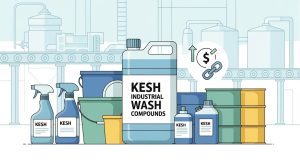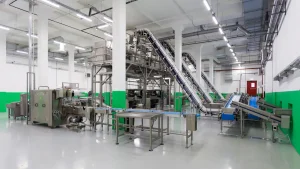
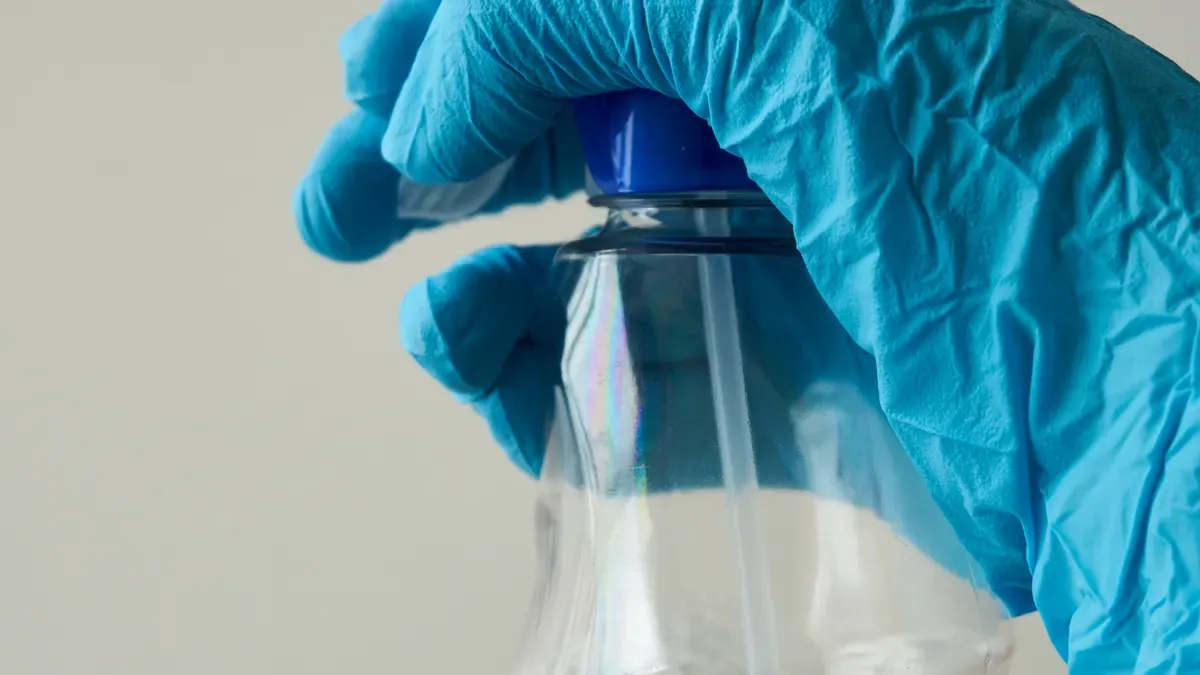
Industrial cleaning fluids play a crucial role in maintaining hygiene and efficiency across various sectors. You will find that different industries require specific cleaning solutions to handle unique challenges. For instance, manufacturing relies on degreasers to prevent equipment failure, while healthcare uses disinfectants to combat contamination. Understanding these needs helps you select the right cleaning products for your applications.
Key Takeaways
Choose the right industrial cleaning fluid based on the type of contaminant and surface material to ensure effective cleaning.
Water-based cleaners are eco-friendly and versatile, making them suitable for various industries, including manufacturing and healthcare.
Always follow safety guidelines when using solvent-based and acid cleaners to protect yourself and the environment.
Water-Based Cleaners
Composition and Properties
Water-based cleaners consist primarily of water, which serves as the main solvent. These cleaners often include various chemical components that enhance their effectiveness. Here’s a breakdown of the main ingredients found in these solutions:
Type | Description |
|---|---|
Solvents | Used to dissolve and remove oils, grease, and paint. Examples include acetone and mineral spirits. |
Detergents | Surfactants that break down dirt and grime, often water-based, with various formulations. |
Disinfectants | Chemicals that kill bacteria and viruses, essential for sanitizing surfaces. Examples include bleach and quaternary ammonium compounds. |
Degreasers | Formulated to remove heavy grease deposits, containing a blend of surfactants and solvents. |
Aqueous Degreasers | Multi-component formulations that include alkaline builders, surfactants, chelants, and corrosion inhibitors. |
These components work together to create effective cleaning solutions that are safe for both users and the environment.
Applications in Industry
Water-based cleaners find extensive use across various industries. In manufacturing, they help maintain machinery by removing grease and dirt, ensuring optimal performance. The food industry relies on these cleaners to sanitize surfaces without leaving harmful residues. Additionally, healthcare facilities use water-based disinfectants to ensure cleanliness and prevent the spread of infections.
You can see that water-based cleaners offer versatile solutions for many cleaning challenges. Their effectiveness, combined with their eco-friendly nature, makes them a popular choice in today’s industrial landscape.
Solvent-Based Cleaners
Common Solvents
Solvent-based cleaners contain various solvents that effectively dissolve dirt, grease, and other contaminants. Here are some common solvents you might encounter:
Acetone: A powerful solvent often used for cleaning and degreasing.
Mineral Spirits: Ideal for thinning oil-based paints and cleaning brushes.
Toluene: Commonly used in industrial applications for its strong solvent properties.
These solvents play a crucial role in the effectiveness of solvent-based cleaners, making them suitable for various cleaning tasks.
Industrial Applications
Solvent-based cleaners find applications across multiple industries. They excel in tasks that require strong cleaning power. Here’s a look at some key applications:
Application Type | Description |
|---|---|
Industrial and electrical MRO | Used for maintenance, repair, and operations in industrial settings. |
Trade and professional DIY | Suitable for do-it-yourself projects in various trades. |
Agriculture | Employed in cleaning agricultural equipment and tools. |
Fasteners and fixings | Effective for cleaning fasteners and ensuring proper assembly. |
In addition, solvent-based cleaners serve specific roles in sectors like dry cleaning and metal cleaning. For instance, they are essential in aerospace and automotive industries for cleaning metal parts.
Remember, when using solvent-based cleaners, always follow safety guidelines. Strong fumes necessitate adequate ventilation, and you must adhere to local regulations regarding VOC emissions and hazardous waste disposal.
Alkaline and Acid Cleaners
Heavy-Duty Alkaline Cleaners
Heavy-duty alkaline cleaners are essential in industrial cleaning. They possess a high pH, typically ranging from 12 to 14. This high alkalinity allows them to tackle tough contaminants effectively. The composition of these cleaners includes:
Alkali metal hydroxides
Carbonates
Surfactants
These components work together to break down organic contaminants such as fats, oils, proteins, and process residues. The chemical reactions involved transform hydrophobic substances into water-soluble forms, making removal easier. You can expect free alkalinity levels to vary from about 2.0 to 10.0 percent, with specific values around 2.79 percent of sodium oxide. Some formulations may also include perfumes, dyes, pigments, and thickeners to enhance user experience.
Acid Cleaners and Their Uses
Acid cleaners play a crucial role in removing mineral deposits, rust, and other inorganic contaminants. These cleaners typically contain strong acids like hydrochloric acid or phosphoric acid. They excel in applications where you need to dissolve scale and corrosion products.
Here are some common uses for acid cleaners:
Metal Cleaning: They effectively remove oxidation and rust from metal surfaces.
Descaling: Acid cleaners are ideal for removing limescale from equipment and pipes.
Surface Preparation: They prepare surfaces for painting or coating by ensuring they are free from contaminants.
Using acid cleaners requires caution. Always follow safety guidelines, as these substances can be hazardous. Proper ventilation and personal protective equipment are essential when working with these industrial cleaning products.
Detergents and Degreasers
Versatile Detergents
Detergents serve as essential components in industrial cleaning fluids. They work by breaking down dirt and grime, making it easier for you to clean surfaces effectively. The main ingredients in industrial detergents include:
Surfactants: These molecules reduce surface tension, allowing water to spread and penetrate more effectively.
Enzymes: These play a crucial role in enhancing cleaning effectiveness by breaking down stains and soils at lower temperatures. The use of enzymes allows for effective stain removal while supporting energy efficiency by enabling lower-temperature washing. ECOCERT certification of detergent enzymes indicates a commitment to responsible formulation choices that maintain cleaning performance.
Builders: These help to soften water and enhance the effectiveness of surfactants.
You can find versatile detergents in various applications, from food processing to manufacturing. Their ability to tackle a wide range of contaminants makes them invaluable in maintaining cleanliness and hygiene.
Specialized Degreasers
Specialized degreasers target specific types of industrial soils and contaminants. They excel in removing heavy grease, oils, and other stubborn residues. Here’s a look at some common types of degreasers and their effectiveness:
Type of Degreaser | Effectiveness Against |
|---|---|
Alkaline, non-butyl super-strength | Heavy grease, carbonized oils, non-polar substances |
Enzymatic Degreasers | Fats, oils, protein-based soils |
Enzymatic degreasers contain lipases that break down fats and oils by severing chemical bonds. This makes them particularly effective in environments with machinery lubricants and hydraulic fluids.
When selecting degreasers, consider environmental and safety factors. Reducing VOC content helps align with environmental regulations and improves workplace air quality. Worker safety is crucial; harsh solvents can cause respiratory irritation and skin exposure. Compliance with OSHA guidelines is essential to minimize employee exposure to hazardous chemicals. Additionally, biodegradable formulations ease environmental burdens and support sustainability goals.
Always ensure compliance with local and international safety regulations when selecting degreasers. Choose biodegradable ingredients to contribute to sustainability and minimize environmental harm. Proper protective equipment is essential when handling degreasers that may release toxic fumes or be corrosive.
Industrial Cleaning Equipment
ypes of Equipment
You will find various types of equipment designed to enhance the effectiveness of industrial cleaning fluids. Here are some common options:
Vacuums: Ideal for removing dust and debris from surfaces.
Scrubbers: Effective for deep cleaning floors and large surfaces.
High-pressure washers: Great for blasting away tough grime and dirt.
Floor machines: Used for polishing and maintaining floor surfaces.
Burnishers: Perfect for achieving a high-gloss finish on floors.
Carpet extractors: Designed for deep cleaning carpets and upholstery.
Steam multifunctional cleaners: Utilize steam to sanitize and clean various surfaces.
ULV portable foggers: Excellent for disinfecting large areas quickly.
Best Practices for Use
To maximize the efficiency of your cleaning efforts, follow these best practices when using industrial cleaning equipment:
Description | Benefits | |
|---|---|---|
Centrifugation | Cleans industrial fluids by separating contaminants continuously. | Returns cleaned fluids to the process, reduces bacterial growth, and improves fluid quality. |
Filtration | Captures solids using a disposable cartridge. | Requires regular replacement but effectively removes solid contaminants. |
Skimming | Removes oil from water surfaces using a floating tube. | Adapts to water level changes and efficiently collects oil. |
Coalescing | Requires nearly particle-free fluids, often used with filters. | Combines solid and water removal for enhanced cleaning efficiency. |
Proper maintenance of your equipment is crucial. Always power down and isolate machinery before cleaning. Protect sensitive areas and remove loose contamination first. Apply the cleaning solution and allow it to dwell for a few minutes. Rinse thoroughly and manage wastewater according to regulations. Following these steps ensures effective cleaning and prolongs the life of your equipment.
Selecting the right industrial cleaning fluids is vital for effective cleaning. Consider factors like material compatibility, type of contaminant, and cleaning process. Sustainable options can lead to long-term cost savings and improved worker health. Always prioritize safety and environmental impact when making your choice.
Remember, informed decisions enhance operational efficiency and compliance with regulations.
FAQ
What are industrial cleaning fluids?
Industrial cleaning fluids are specialized solutions designed to remove contaminants from surfaces and equipment in various industries.
How do I choose the right cleaning fluid?
Consider the type of contaminant, surface material, and safety requirements when selecting a cleaning fluid for your application.
Are water-based cleaners environmentally friendly?
Yes, water-based cleaners are generally safer for the environment compared to solvent-based cleaners, as they contain fewer harmful chemicals.