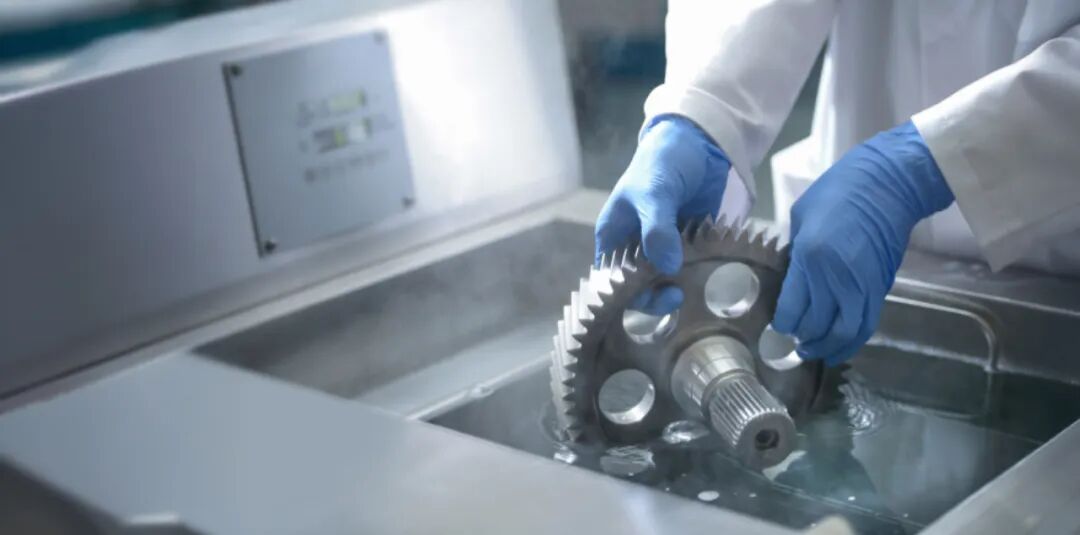
Choosing the right industrial polishing compound removers matters more than you might think. They directly affect how well your polishing process works. You want to ensure compatibility with your materials and achieve the finish you desire. A poor choice of industrial polishing compound removers can lead to defects, increased costs, and wasted time.
Remember, selecting the right products can make a significant difference in efficiency and quality!
Key Takeaways
Choosing the right polishing compound is essential for achieving the desired finish and avoiding defects. Always consider the material you are working with.
Understand the difference between abrasive and non-abrasive compounds. Use abrasive for tough surfaces and non-abrasive for delicate finishes.
Opt for water-based compounds when possible. They are safer for the environment and provide effective, permanent scratch removal.
Polishing Compound Types
When it comes to selecting the right polishing compound, understanding the different types available is crucial. Each type serves a unique purpose and can significantly affect your polishing results. Let’s break down the main categories: abrasive vs. non-abrasive and water-based vs. solvent-based.
Abrasive vs. Non-Abrasive
Abrasive compounds contain tiny particles that help remove material from the surface. They work wonders for eliminating scratches and imperfections. If you need to restore a surface to its original shine, abrasive compounds are your go-to option. However, be cautious! Overusing them can lead to unwanted damage.
On the other hand, non-abrasive compounds are gentler. They polish surfaces without removing material, making them ideal for delicate finishes. If you’re working with softer materials or want to maintain a specific sheen, non-abrasive options are the way to go.
Water-Based vs. Solvent-Based
Choosing between water-based and solvent-based polishing compounds can be a game-changer. Here’s what you need to know:
Water-Based Compounds:
Lower VOC emissions mean they’re better for the environment and improve air quality.
They provide safer application conditions, minimizing exposure to harmful chemicals.
These compounds effectively remove scratches and offer a permanent solution.
Solvent-Based Compounds:
While they can be durable, they often have higher VOC levels, posing health risks.
They may only temporarily hide scratches rather than remove them completely.
Careful handling is essential due to the presence of harmful substances like benzene.
Here’s a quick comparison of their features:
Feature | Water-Based Compounds | Solvent-Based Compounds |
|---|---|---|
Removal Efficiency | Effective permanent removal of scratches | May only temporarily hide scratches |
Safety | No hazardous chemicals | More damaging and harmful |
Environmental Impact | Better for the environment | Contains harmful substances like benzene |
By opting for water-based options, you align with customer preferences for environmentally responsible services. This choice not only benefits your health but also enhances your reputation in the industry.
Choosing Industrial Polishing Compound Removers
Selecting the right industrial polishing compound removers involves several key factors. You want to ensure that the remover you choose aligns with your specific needs. Let’s dive into the essential considerations.
Material Compatibility
First and foremost, consider the materials you’re working with. Different surfaces react differently to various compounds. For instance, metals, plastics, and wood each have unique properties that can affect how well a polishing compound works.
Metals: If you’re polishing metal surfaces, look for compounds specifically designed for that material. They often contain abrasives that can effectively remove imperfections without damaging the surface.
Plastics: For plastics, choose non-abrasive compounds. These will help you achieve a polished finish without scratching or dulling the surface.
Wood: When working with wood, opt for compounds that are gentle yet effective. You want to maintain the integrity of the wood while achieving a smooth finish.
Always test a small area first to ensure compatibility. This step can save you from costly mistakes and help you achieve successful buffing compound removal.
Desired Finish
Next, think about the finish you want to achieve. Different polishing compounds can lead to various results, so it’s crucial to choose one that aligns with your goals.
If you aim for a mirror finish, consider using products like 3M’s Perfect-It or Finesse-It. These are known for their ability to enhance luster after dulling techniques.
For a satin finish, you might try rottenstone mixed with mineral oil or olive oil. Users have reported great results when applying this mixture with a felt pad.
If a matte finish is what you’re after, products like the 3M burnishing product or even toothpaste can be effective. The lubricant you choose can significantly affect the outcome, so experiment to find what works best for you.
Understanding the desired finish will guide you in selecting the right industrial polishing compound removers for your project.
Buffing Compound Removal Techniques
Finally, let’s talk about buffing compound removal techniques. The method you use can impact the effectiveness of the polishing process. Here are some tips to keep in mind:
Use the Right Tools: Invest in quality buffing pads and machines. The right tools can make a significant difference in how well you remove the polishing compound.
Technique Matters: Apply the compound evenly and use a consistent motion. This approach helps ensure that you remove imperfections uniformly.
Clean Between Steps: After applying a polishing compound, clean the surface before moving on to the next step. This practice prevents cross-contamination and helps achieve a polished finish.
By following these techniques, you can enhance your buffing compound removal process and achieve the results you desire.
Application and Maintenance Tips
How to Apply the Best Polishing Compound
Applying the best polishing compound requires a few essential steps to maximize effectiveness and minimize residue. Follow these steps for optimal results:
Pre-clean the surface: Start by cleaning the area thoroughly. Use a steam cleaner to remove rough contaminants without chemicals. This step ensures a clean slate for polishing.
Use an ultrasonic cleaner: For fine cleaning, consider using an ultrasonic cleaner. Choose the right frequency—37-40kHz for single frequency or 25/45kHz for multi-frequency cleaning.
Position correctly: Make sure to position the items properly inside the ultrasonic tank. This prevents damage and ensures even cleaning.
Monitor cleaning conditions: Pay attention to cleaning time, temperature, and the selection of cleaning chemicals. These factors are critical for effective polishing.
By following these steps, you can effectively restore shine to your surfaces while minimizing any leftover residue.
Post-Application Care
After applying your polishing compound, proper care is essential to maintain that beautiful finish. Here are some tips to keep in mind:
Avoid harsh chemicals: Steer clear of abrasive cleaners that can dull the shine. Instead, use a gentle soap and water solution for routine cleaning.
Use microfiber cloths: When wiping down surfaces, opt for soft microfiber cloths. They won’t scratch the finish and will help maintain that polished look.
Store properly: If you’re not using the items regularly, store them in a cool, dry place. This helps prevent any environmental factors from affecting the finish.
By taking these steps, you can ensure that your polished surfaces remain in top condition for longer.
Choosing the right industrial polishing compound remover is crucial for your success. Consider factors like material compatibility, desired finish, and effective removal techniques. Remember, specialized removers offer benefits like effectiveness, speed, and control. Assess your needs carefully, and you’ll make informed choices that lead to great results! 🌟
FAQ
What is a buffing compound?
A buffing compound is a polishing material used to enhance the shine of surfaces. It helps remove imperfections and achieve a smooth finish.
How do I choose the right buffing compound?
Select a buffing compound based on your material type and desired finish. Test a small area first to ensure compatibility.
Can I use a buffing compound on all surfaces?
Not all surfaces are suitable for buffing. Always check compatibility, especially with delicate materials like plastics or wood.