Workplace safety is crucial for everyone. Aqueous industrial cleaners play a key role in creating a safer environment. They help reduce chemical exposure and lower toxicity levels. With these cleaners, employees can work without worrying about harmful substances. This leads to a healthier and more productive workplace.
Key Takeaways
Aqueous industrial cleaners reduce chemical exposure, leading to a safer workplace for employees.
Switching to these cleaners can lower health risks, such as respiratory issues and skin irritations, promoting overall worker well-being.
Using aqueous cleaners supports environmental sustainability by minimizing VOC emissions and hazardous waste.
Chemical Exposure
Comparison with Traditional Cleaners
When it comes to cleaning solutions, not all are created equal. Traditional industrial cleaners often contain hazardous chemicals that can pose serious risks to workers. Some of the most common culprits include:
Carbon tetrachloride
Benzene
Toluene
Acetone
These substances can lead to health issues, including respiratory problems and skin irritations. In contrast, aqueous industrial cleaners use water-based detergents that are generally safer. They release very few volatile organic compounds (VOCs) and are often biodegradable. This means they are less likely to harm both workers and the environment.
Recent studies show that aqueous cleaners are less hazardous than their solvent-based counterparts. They require careful management of water usage to comply with regulations, but they significantly reduce the risk of chemical exposure. Operators must monitor the hazard levels of cleaning solutions, as they can become hazardous over time.
Feature | Aqueous Cleaners | Solvent-Based Cleaners |
|---|---|---|
Active Ingredients | Biodegradable chemicals, oil-eating detergents | Trichloroethylene, Sodium Hydroxide, Acetone, etc. |
pH Levels | Typically neutral pH, non-toxic, non-flammable | Varies, often caustic and hazardous |
Environmental Impact | Low VOCs, biodegradable, generates wastewater | High VOCs, potential environmental hazards |
Real-World Applications
Many industries are reaping the benefits of switching to aqueous industrial cleaners. For example, the automotive sector uses these solutions for degreasing engines and parts. Not only do they clean effectively, but they also minimize the risk of chemical exposure for workers.
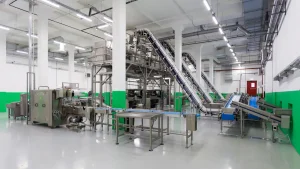
In the food processing industry, maintaining cleanliness is vital. Aqueous cleaners help ensure that surfaces are safe without introducing harmful residues. This is crucial for protecting both employees and consumers.
Another area benefiting from aqueous solutions is manufacturing. Factories that implement these cleaning solutions report fewer health-related absences among workers. This leads to increased productivity and a more positive work environment.
By choosing aqueous industrial cleaners, companies can create a safer workplace while still achieving high cleaning performance. The shift not only protects employees but also aligns with sustainability goals, making it a win-win situation.
Toxicity Levels
Health Benefits for Workers
Aqueous industrial cleaners are known for their lower toxicity levels compared to traditional cleaners. This reduction in toxicity brings significant health benefits for workers. When employees use these cleaning solutions, they face fewer risks of exposure to harmful chemicals.
Here are some key health benefits:
Reduced Respiratory Issues: Aqueous cleaners emit fewer volatile organic compounds (VOCs). This means less chance of respiratory problems for workers who are regularly exposed to cleaning agents.
Lower Skin Irritation: Many traditional cleaners can cause skin irritations or allergic reactions. Aqueous solutions are generally gentler, reducing the likelihood of these issues.
Safer Work Environment: With less hazardous waste and fewer toxic fumes, the overall workplace becomes safer. This leads to improved morale and productivity among employees.
It’s important to note that while aqueous cleaners are safer, they still require monitoring. Over time, their toxicity can increase due to contamination. Regular checks ensure compliance with safety regulations and help maintain a healthy work environment.
Case Studies
Several industries have successfully implemented aqueous industrial cleaners, showcasing their effectiveness and safety benefits. Here are a few notable examples:
Automotive Industry: A major automotive manufacturer switched to aqueous cleaners for degreasing precision parts. They reported a 30% decrease in worker health complaints related to chemical exposure. This change not only improved employee well-being but also enhanced cleaning performance.
Food Processing: A food processing plant adopted aqueous cleaning solutions to maintain hygiene standards. They found that using these cleaners reduced the risk of chemical residues on food surfaces. As a result, they achieved higher safety ratings from health inspectors.
Manufacturing Sector: A factory that transitioned to aqueous cleaners for general industrial cleaning noted a significant drop in sick days taken by employees. The management attributed this improvement to the reduced toxicity of the cleaning solutions, which led to a healthier workforce.
These case studies illustrate how aqueous industrial cleaners can transform workplaces. By prioritizing worker safety and health, companies not only comply with regulations but also foster a more productive environment.
Environmental Impact of Aqueous Industrial Cleaners
Sustainability Benefits
Aqueous industrial cleaners are not just safer for workers; they also contribute significantly to environmental sustainability. By using water-based detergents, these cleaners help reduce hazardous waste and lower volatile organic compound (VOC) emissions. Take a look at the comparison below:
Cleaner Type | VOC Emissions Level | Biodegradable | Environmental Impact |
|---|---|---|---|
Aqueous Cleaners | Very low to none | Yes | More environmentally friendly |
Solvent-based Cleaners | High | No | Higher emissions of VOCs |
This reduction in VOCs means cleaner air for everyone. Companies that adopt aqueous solutions often find they align better with corporate sustainability goals. They minimize water and chemical usage, which supports efforts to reduce ecological footprints.
Cost-Effectiveness
Switching to aqueous industrial cleaners can also be a smart financial move. Here’s why:
Innovations in cleaning technology enhance productivity and reduce cleaning times.
Minimizing harmful chemicals leads to lower operational costs.
Efficient cleaning processes reduce contamination risks and improve product quality.
Implementing clean production practices helps reduce waste and improve energy efficiency.
These factors contribute to a more cost-effective cleaning solution. Companies can achieve high cleaning performance without breaking the bank. By investing in water-based washing systems, businesses not only protect their employees but also save money in the long run.
Aqueous industrial cleaners offer numerous benefits that enhance workplace safety. They reduce harmful chemical exposure and lower VOC emissions. These water-based solutions support worker safety and minimize machine downtime. Occupational health organizations recommend their use, but it’s essential to evaluate specific cleaning needs. Embracing aqueous cleaners leads to a healthier work environment for everyone. 🌱
FAQ
What are aqueous parts washers?
Aqueous parts washers use water-based solutions to clean industrial parts. They are safer and more environmentally friendly than traditional solvent-based cleaners.
How do automated parts washers work?
Automated parts washers clean components using a combination of water, detergents, and mechanical action. They enhance efficiency and reduce manual labor in cleaning processes.
Why choose aqueous industrial cleaners?
Aqueous industrial cleaners lower chemical exposure and toxicity levels. They promote a safer workplace while effectively cleaning various surfaces and parts.