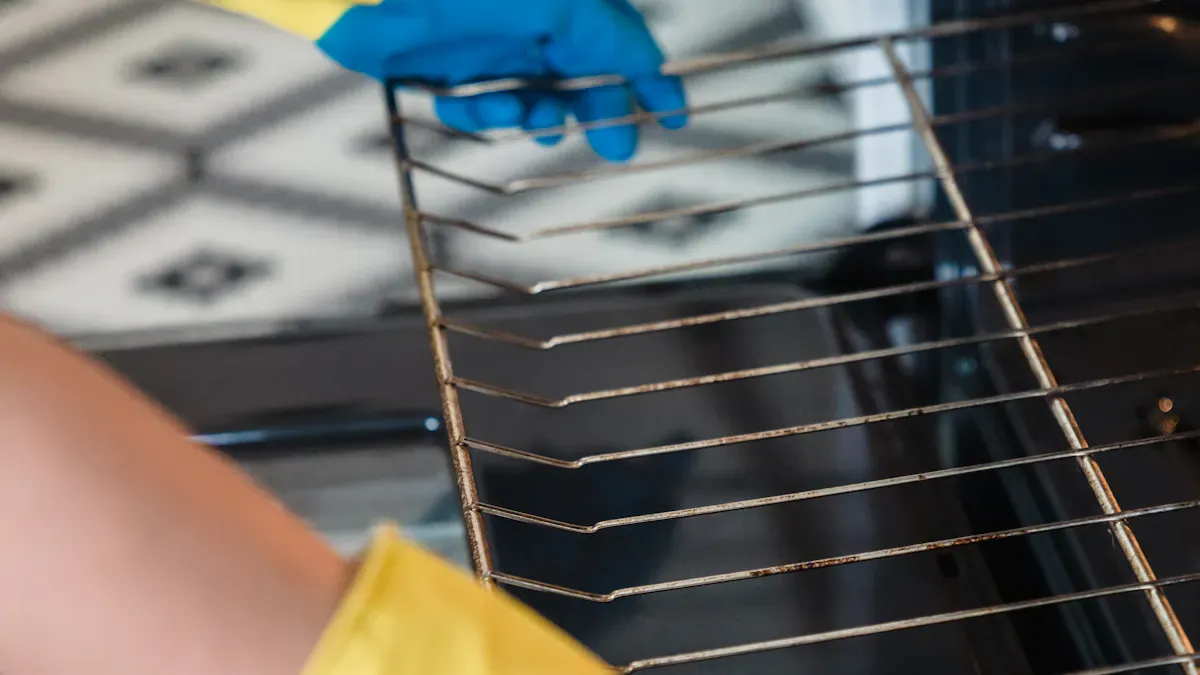
Cleaning metal surfaces is crucial for keeping them looking great and lasting longer. In 2026, you can find innovative metal cleaning solutions that make this task easier and more effective. The goal is to achieve that shiny finish while ensuring you don’t damage your surfaces in the process.
Key Takeaways
Use the right cleaning solutions for each metal type to avoid damage and achieve the best results.
Regular maintenance, like polishing and using microfiber cloths, keeps metal surfaces shiny and extends their lifespan.
Opt for eco-friendly cleaning options, such as vinegar and baking soda, to protect both your metal items and the environment.
Essential Tools for Metal Cleaning
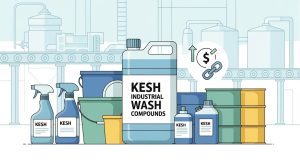
When it comes to cleaning metal surfaces, having the right tools makes all the difference. Here’s a rundown of essential cleaning solutions and materials you’ll want to have on hand.
Cleaning Solutions
You can choose from various cleaning solutions to effectively clean metal. Here are some popular options:
White vinegar: This natural cleaner removes stains and restores shine.
Baking soda: Create a paste with water for tough stains.
Non-abrasive cleaner: Specifically designed for stainless steel, these cleaners maintain shine without damage.
Degreasers: These are crucial for removing grease and grime. Different types of degreasers exist, so pick one that suits your needs.
Brushes and Cloths
Using the right brushes and cloths is just as important. Here’s what you should consider:
Soft sponges: A non-abrasive sponge prevents scratches on metal surfaces.
Microfiber cloths: Ideal for drying and polishing, they effectively remove residues and prevent water marks.
Don’t forget about safety! Always wear protective gear when cleaning metal. Depending on the cleaning solution, you might need:
Disposable respirators for water-based solutions.
Reusable respirators for solvent-based cleaning.
Safety goggles to protect your eyes from splashes.
By using the right tools and safety measures, you can clean metal surfaces effectively while keeping them in great condition.
Metal-Specific Cleaning Methods
Cleaning metal surfaces requires different approaches depending on the type of metal. Here’s how to clean aluminum, brass, stainless steel, and copper effectively.
How to Clean Aluminum
Aluminum can tarnish easily, but you can restore its shine with the right techniques. Here’s a simple method:
Prepare a Cleaning Solution: Mix equal parts of vinegar and water. This solution works wonders for soaking aluminum surfaces and removing persistent stains.
Apply Baking Soda: For tougher stains, create a paste using baking soda and water. Gently scrub the area with a soft sponge to avoid scratches.
Rinse and Dry: After cleaning, rinse the aluminum with clean water and dry it thoroughly with a microfiber cloth to prevent water spots.
Tip: Avoid using abrasive cleaners or steel wool, as they can scratch the surface of aluminum.
How to Clean Brass
Brass requires special care to maintain its luster and prevent tarnishing. Follow these steps for effective cleaning:
Protective Coating: Apply a protective coating to minimize the need for frequent cleaning. Brass sealants can help protect against tarnish and corrosion.
Handle with Care: Always clean and dry your hands before handling brass. Skin oils can accelerate tarnishing.
Use Appropriate Cleaners: Here’s a table of effective cleaning solutions for brass:
Cleaning Solution
Best For
Flitz Instant Brass & Copper Tarnish Remover
Heavy tarnish on solid, unlacquered brass
Vinegar and Salt Paste
Budget-friendly cleaning for solid brass
Gentle Cream Polish
Routine care for solid or lightly tarnished brass
Liquid Brass Cleaner Dip
Severe tarnish on robust, unlacquered brass
Spray Cleaner
Effortless maintenance for brass surfaces
Store Properly: Keep brass items dry and sealed to minimize moisture exposure. Applying microcrystalline wax can create a water-resistant barrier, ensuring a longer-lasting shine.
Stainless Steel Cleaning
Stainless steel is popular for its durability, but it can show fingerprints and water stains. Here’s how to clean stainless steel effectively:
Use Vinegar: Dampen a cloth with vinegar and wipe the surface following the grain. This method effectively removes water stains.
Baking Soda Paste: For oil residues, create a paste with baking soda and apply it gently with a sponge. Avoid scrubbing too hard to prevent scratches.
Polish with Microfiber Cloth: After cleaning, use a microfiber cloth to polish the surface and restore its shine.
Tip: Olive oil can also help tackle tough stains without damaging the stainless surface.
Copper Cleaning
Copper develops a patina over time, which some people love, but if you prefer a shiny finish, here’s how to clean it:
Lemon and Salt: Cut a lemon in half, dip it in salt, and scrub the copper surface. This natural method removes tarnish effectively.
Vinegar and Baking Soda: Create a paste with vinegar and baking soda. Apply it to the copper, let it sit for a few minutes, then rinse and dry.
Regular Maintenance: To keep copper looking great, regularly polish it with a soft cloth.
Tip: Avoid using harsh chemicals that can damage the copper surface.
By following these metal-specific cleaning methods, you can maintain the beauty and longevity of your metal surfaces.
Effective Metal Cleaning Solutions
When it comes to cleaning metal surfaces, choosing the right cleaning solution is key. In 2026, you have a variety of options that cater to different needs. Let’s explore some effective solutions that can help you achieve that shiny finish.
Acid-Based Cleaners
Acid-based cleaners are powerful tools for tackling tough stains and corrosion on metal surfaces. They work by breaking down rust and mineral deposits, making them ideal for metals like aluminum and brass. However, you should use them with caution. Always follow the manufacturer’s instructions and wear protective gear to avoid skin irritation.
Tip: Always test a small, inconspicuous area before applying an acid-based cleaner to the entire surface. This way, you can ensure it won’t cause any damage.
Alkaline Solutions
Alkaline solutions are another effective option for cleaning metal. They excel at removing grease, oil, and stubborn stains. Here are some popular alkaline products you might consider:
Product Name | Description |
|---|---|
An alkaline, biodegradable product with self-rinsing properties and high soil suspending qualities, effective for heavy-duty cleaning without harming metals. | |
MAGNA 106 | A powerful alkaline degreaser that combines high degreasing efficiency with anti-corrosion properties, suitable for tough stains. |
MAGNA 107 | A concentrated heavy-duty degreaser designed to remove stubborn carbon and oil deposits from various metals without causing damage. |
While alkaline solutions are effective, they can have environmental impacts. For instance, they generate a large volume of wastewater, which requires careful treatment. Additionally, they can cause skin and eye irritation if proper protective equipment isn’t used.
Note: Always consider eco-friendly degreasers that minimize environmental impact while still providing effective cleaning.
Vinegar and Baking Soda
You might be surprised to learn that simple household items like vinegar and baking soda can work wonders for cleaning metal surfaces. When mixed, they create a powerful cleaning duo. Vinegar, especially distilled white vinegar, effectively removes stains and grime due to its acidic nature. Baking soda acts as a mild abrasive, helping to lift rust and stains without scratching the surface.
For example, if you’re cleaning aluminum, mix vinegar with water and apply it to the surface. The vinegar will dissolve dirt, while baking soda can be used as a paste for tougher stains. This combination is not only effective but also eco-friendly, making it a great choice for those looking to reduce their environmental footprint.
Did You Know?: The combination of vinegar and baking soda is not just effective for cleaning; it’s also safe for the environment, unlike many traditional chemical cleaners.
By choosing the right cleaning solutions, you can maintain the beauty and longevity of your metal surfaces while being mindful of the environment.
Tips for Achieving a Shiny Finish
Achieving a shiny finish on metal surfaces requires the right techniques and consistent maintenance. Here are some effective polishing techniques to help you get that gleaming look.
Polishing Techniques
To make metal shiny, follow these steps:
Start with Sandpaper: Begin with 600-grit sandpaper and gradually move to 800, 1000, and finally 1500-grit. Always sand in one direction to minimize cross-scratches.
Use a Buffing Wheel: Apply a non-ferrous metal polish compound to a soft buffing wheel. Work at a low speed to avoid overheating the metal.
Polish in Overlapping Passes: Make overlapping passes until you see a clear reflection. Take breaks to prevent overheating.
Maintain the Finish: Clean the surface with mild soap and water, and re-polish periodically with a fine compound to keep it looking great.
Tip: For deeper scratches, consider using felt tools combined with diamond or silicon carbide pastes for optimal results.
Regular Maintenance
Regular maintenance is key to preserving the shine and integrity of your metal surfaces. Here are some tips to keep in mind:
Use Microfiber Towels: High-GSM towels ensure a scratch-free clean.
Deep Clean: Use an automotive detergent with a dedicated wash mitt to remove grime effectively.
Avoid Common Mistakes: Don’t spray large amounts of water directly onto the surface or leave it wet after cleaning. Also, avoid using sandpaper for minor stains, as this can cause more damage than good.
By following these polishing techniques and maintenance tips, you can keep your metal surfaces looking shiny and new for years to come.
Cleaning metal surfaces effectively requires the right tools and methods tailored to each metal type. Remember to use appropriate cleaning solutions, like a degreaser for tough grime, and always prioritize safety. By adopting these best practices, you can maintain the beauty and longevity of your metal items.
Key Takeaways:
Use specific methods for each metal type.
Regular maintenance keeps surfaces shiny.
Choose eco-friendly options when possible.
Metal Type | Cleaning Method | Tools/Materials Needed |
|---|---|---|
Aluminum | Wash with warm water and dishwashing liquid | Mild soap, cloth |
Brass | Use commercial cleaner and buff with a brush | Soft-bristled brush, cleaner |
Copper | Use lemon and salt for brightening | Lemon, salt |
Embrace these practices for optimal results!
FAQ
What is the best way to clean stainless steel?
Use a degreaser and a microfiber cloth. Wipe along the grain for a streak-free finish.
How can I remove rust from metal surfaces?
Try using a degreaser or a vinegar and baking soda paste. Scrub gently to avoid damage.
Are there any hacks for cleaning metal effectively?
Yes! Use household items like vinegar and baking soda for a natural approach. They work wonders on various metals.