Eco laundry strips have gained popularity as a sustainable alternative to traditional detergents. These non-toxic solutions help reduce environmental damage caused by liquid detergents, which often come in plastic packaging and contain harmful chemicals. You can maximise the benefits of eco laundry strips by using them correctly, ensuring effective cleaning while contributing to a greener planet.
Key Takeaways
Eco laundry strips reduce plastic waste significantly, helping to eliminate over a billion plastic jugs annually.
Using the correct dosage of laundry strips ensures effective cleaning and prevents waste; follow the recommended sheets based on load size and soil level.
Avoid common mistakes like overloading the washer and ignoring water temperature to maximise the cleaning power of eco laundry strips.
Benefits of Eco Laundry Strips
Environmental Impact
Using eco laundry strips significantly benefits the environment. These strips have a carbon footprint that is 75% lower than traditional detergents. Traditional detergents often come in heavy plastic containers, which contribute to higher emissions during production and transport. By switching to eco-friendly laundry sheets, you can help eliminate over a billion plastic jugs annually. This change can divert around 700 million plastic containers from landfills. Additionally, the lighter weight of laundry strips reduces shipping emissions, making them a more sustainable choice for your laundry needs.
Cost-Effectiveness
Eco laundry strips also offer substantial cost savings compared to traditional options. The average cost per load for leading brands in 2026 shows that eco-friendly alternatives are often more economical. For instance, here’s a comparison of costs:
Product | Cost per Load | Notes |
|---|---|---|
Stripwash laundry detergent strips | 29p | Best overall |
Re:gn laundry detergent sheets | 9.45p | Best budget |
BioPure | Varies with pack size |
You can see that using laundry strips can be more affordable in the long run. Their pre-measured and spill-free design enhances convenience, while their compact packaging suits small living spaces. This efficiency leads to economic benefits over time, making eco laundry strips a smart choice for both your wallet and the planet.
Using Eco Laundry Strips
Dosage Instructions
To achieve the best results with eco laundry strips, you must follow the correct dosage instructions. The number of sheets you need depends on the load size and the soil level of your laundry. Here’s a simple guide to help you determine how many laundry sheets should you use:
Load Size | Soil Level | |
|---|---|---|
Standard Load | Lightly Soiled | 1 Sheet |
Larger Load | Heavily Soiled | 2 Sheets |
Using the right amount of laundry strips ensures effective cleaning without wasting resources. If you are unsure about the soil level, it is better to err on the side of caution and use an extra sheet for heavily soiled items.
Washing Machine Tips
When using eco laundry strips, consider the type of washing machine you have. Different machines may require specific approaches for optimal performance. Here’s a breakdown of how to use laundry sheets in various washing machines:
Washing Machine Type | Notes | |
|---|---|---|
Front Load | High | Dissolves easily in low water volumes |
Top Load | Moderate | May require more water for effective use |
HE | High | Designed for low water usage, compatible with eco strips |
For front load machines, you can place the laundry strip directly in the drum. This method allows the strip to dissolve effectively, even in low water settings. In top load machines, ensure you have enough water to help the strips dissolve properly. If you use laundry sheets in the detergent dispenser, check your machine’s manual to confirm compatibility.
Remember, laundry sheets dissolve in cold water, making them suitable for all wash cycles. This feature allows you to save energy while still achieving clean clothes. Properly store laundry detergent sheets in a cool, dry place to maintain their effectiveness.
Tips for Optimal Results
Pre-Treating Stains
To achieve the best results with eco laundry strips, pre-treating stains can make a significant difference. Here are some effective methods for tackling tough stains:
Use a targeted pre-wash treatment, like Spot Stain Remover, for stubborn stains such as ink, oil, or red wine.
Combine bicarbonate of soda with a small amount of regular laundry detergent. Apply this mixture directly to the stain, leave it for 30 minutes, and then wash normally.
While eco laundry strips work well for everyday washing, they may not perform as effectively on tougher stains compared to traditional stain removers. For particularly stubborn stains like grease, ink, or mildew, consider using specialized cleaning agents alongside your laundry strips.
Choosing the Right Wash Cycle
Selecting the appropriate wash cycle is crucial for maximising the effectiveness of your eco laundry strips. Different fabric types require different care. Here’s a handy table to guide you:
Programme | Best for | Temperature | Spin speed |
|---|---|---|---|
Cotton cycle | Towels, bedding, durable cotton clothes | 40–60°C | High |
Delicates | Silk, lace, delicate clothing | 20–30°C | Low |
Quick wash | Lightly worn clothes | 20–40°C | Medium |
Using the right wash cycle ensures that your laundry strips dissolve properly and clean effectively. For example, the cotton cycle works best for heavier fabrics, while the delicate cycle is ideal for more fragile items. Always check the care labels on your garments to choose the most suitable wash cycle.
By following these tips, you can enhance the cleaning power of your eco laundry strips and keep your clothes looking their best.
Common Mistakes to Avoid
Overloading the Washer
One common mistake to avoid when using laundry strips is overloading the washer. When you cram too many clothes into the drum, the laundry tends to clump together. This clumping restricts the movement of water and detergent, which is essential for effective cleaning. As a result, dirt and stains may not get adequately removed. To ensure optimal performance, follow these guidelines:
Standard Load (4-5kg): Use 1 strip for soft water.
Larger Load (up to 7kg): Use 2 strips for hard water.
Ignoring Water Temperature
Another frequent error is ignoring water temperature recommendations. While eco laundry strips dissolve effectively in both cold and hot water, they may not perform well on long-term stains at lower temperatures. For instance, armpit stains may require warmer water to achieve the best results. Here are some tips for selecting the right temperature:
Cold Water: Ideal for everyday clothes like t-shirts and jeans, as well as delicate fabrics such as silk and wool.
Warm Water: Recommended for heavily soiled items or bedding, especially when illness is involved, as it helps kill bacteria and remove oily stains.
By avoiding these common mistakes, you can enhance the effectiveness of your eco laundry strips and enjoy cleaner, fresher laundry.
Eco Laundry Strips vs Traditional Detergents
Cleaning Power Comparison
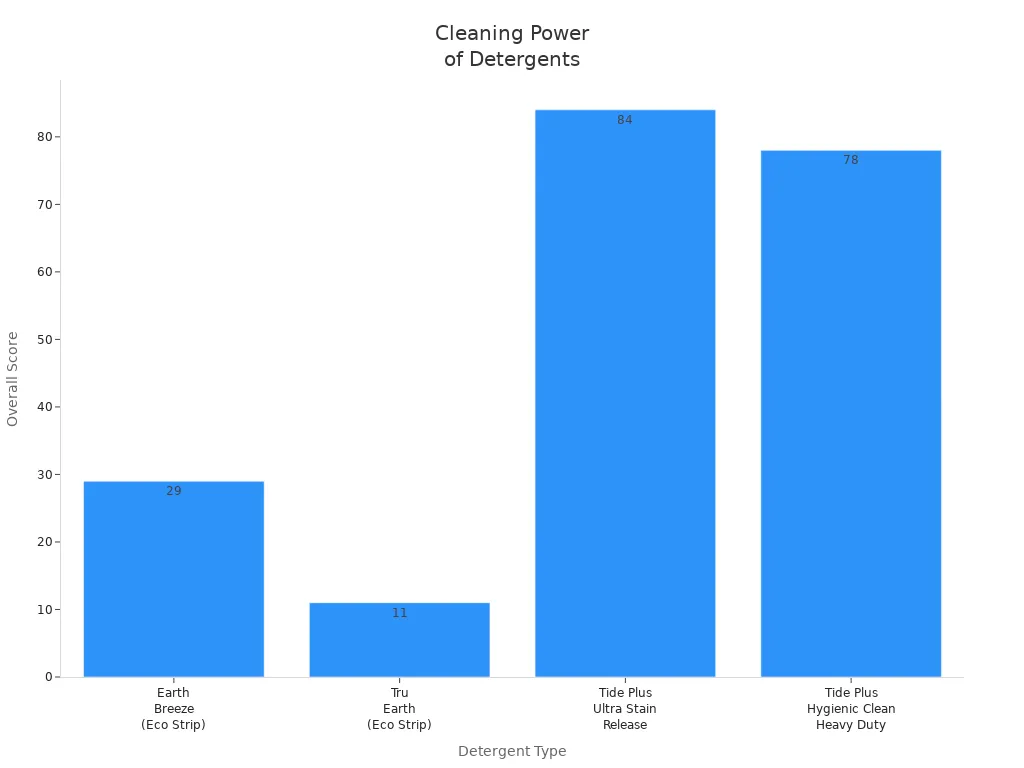
When comparing the cleaning power of eco laundry strips and traditional detergents, you may find notable differences. Laboratory tests reveal that traditional detergents often outperform eco-friendly options on various stains. For instance, Tide Plus Ultra Stain Release scores an impressive 84, excelling on body oil and dirt. In contrast, Earth Breeze, a popular eco strip, only achieves a score of 29, indicating mediocre performance. Here’s a summary of the cleaning power comparison:
Detergent Type | Overall Score | Performance on Stains |
|---|---|---|
Earth Breeze (Eco Strip) | 29 | Mediocre performance |
Tru Earth (Eco Strip) | 11 | Abysmal performance |
Tide Plus Ultra Stain Release (Liquid) | 84 | Impressive on body oil, dirt, salad dressing |
Tide Plus Hygienic Clean Heavy Duty 10X Power (Pod) | 78 | Good performance |
Tide Eco-Box Original (Liquid) | N/A | Highest-rated for coffee stains |
Waste Considerations
Switching to eco laundry strips can significantly reduce waste. Traditional laundry detergents often come in bulky plastic containers that contribute to landfill waste. In contrast, laundry detergent sheets typically use minimal packaging, which is often recyclable or biodegradable. Here are some common consumer concerns regarding eco laundry strips and how manufacturers address them:
Effectiveness: You might worry about how well these strips clean clothes. Manufacturers provide guidance on usage, such as pre-treating tough stains and using multiple sheets for larger loads.
Ingredient Transparency: Concerns about the ingredients in the strips are common. Manufacturers ensure clear ingredient disclosure on their packaging.
Environmental Impact: Many consumers are interested in the eco-friendliness of the product. Manufacturers promote the environmental benefits of their products to reassure consumers.
By choosing eco-friendly laundry solutions, you can contribute to a more sustainable future while still achieving clean clothes.
In summary, eco laundry strips offer significant benefits for both your laundry routine and the environment. They reduce plastic waste and provide cost-effective cleaning solutions. By making the switch to eco-friendly options, you contribute to a more sustainable lifestyle. Embrace this change for cleaner clothes and a healthier planet.
FAQ
What are eco laundry strips made of?
Eco laundry strips typically consist of plant-based ingredients and surfactants. They dissolve easily in water, providing an effective cleaning solution without harmful chemicals.
Can I use eco laundry strips in cold water?
Yes, you can use eco laundry strips in cold water. They dissolve effectively, making them suitable for all wash cycles and helping you save energy.
Are eco laundry strips safe for sensitive skin?
Most eco laundry strips are hypoallergenic and free from harsh chemicals. However, always check the ingredient list if you have specific sensitivities.