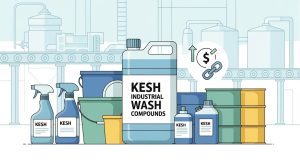
Choosing the right industrial cleaning chemical suppliers is crucial. Your decision directly impacts operational efficiency and safety in your facility. For example, selecting a quality supplier can lead to reduced downtime, improved compliance audit results, and increased customer satisfaction. These factors significantly enhance your overall productivity and safety standards.
Key Takeaways
Choose suppliers based on product quality. Look for safer ingredients and effective cleaning performance to enhance safety and efficiency in your operations.
Prioritize safety certifications when selecting suppliers. Certifications like EPA Safer Choice and GreenSeal ensure compliance with safety and environmental standards.
Invest in supplier support and training. Strong customer service and effective training resources improve your team’s expertise and promote a safer work environment.
Product Quality
Assessing Cleaning Chemicals
When you evaluate cleaning chemicals, focus on the quality of the ingredients. Premium quality chemicals ensure effective cleaning and safety in your industrial environment. You should consider the following quality standards:
Standard Criteria | Description |
|---|---|
Safer Ingredients | Each organic ingredient must exhibit ready biodegradability according to OECD definitions. |
Safer Products | The undiluted product must not be toxic to humans, with specific LD50 and LC50 thresholds. |
Sustainable Packaging | Packaging must be recyclable, contain post-consumer material, or be refillable with a take-back program. |
Product Performance | Each product must effectively clean common soils at the recommended dilution level for routine cleaning. |
Understanding your specific cleaning needs is crucial. Different environments require different solutions. For instance, a manufacturing facility may need stronger solvents to tackle heavy grease, while a food processing plant may prioritize non-toxic, biodegradable options. Assess the surfaces you clean and the types of contaminants you encounter. This assessment helps you choose the right cleaning chemicals supplier that meets your operational requirements.
Evaluating Cleaning Solvents
Cleaning solvents play a vital role in industrial cleaning. They differ in effectiveness based on their chemical properties and the contaminants they target. For example, water-based cleaners work well for light oils but may struggle with stubborn greases. In contrast, solvent-based cleaners excel in dissolving heavy oils and greases, making them suitable for heavy-duty applications.
You should also consider the compatibility of solvents with the materials you clean. Using the wrong solvent can damage surfaces, leading to costly repairs. Here are some important factors to evaluate when selecting cleaning solvents:
Material Compatibility: Ensure the solvent does not damage the surface being cleaned.
Health and Environmental Impact: Choose less toxic solvents with lower VOC emissions for safety and environmental benefits.
Flash Point and Flammability: Select solvents with appropriate flash points to minimize fire risks.
Regulatory Compliance: Adhere to OSHA and EPA regulations to avoid penalties.
Efficacy: The solvent must effectively remove contaminants while being safe.
In various sectors, such as automotive and pharmaceuticals, aqueous cleaning solutions are popular due to their effectiveness in removing oils and grime. Solvents enhance the efficiency of cleaning products by dissolving stubborn substances, allowing for quick drying and versatility in formulations. This makes them invaluable for applications requiring the removal of tough residues.
Choosing the right cleaning chemicals supplier involves understanding these factors. You want a supplier that provides high-quality products tailored to your specific needs, ensuring safety and compliance in your operations.
Safety and Compliance
Safety Certifications
When selecting industrial cleaning chemical suppliers, you must prioritize safety certifications. These certifications demonstrate that suppliers adhere to strict safety and environmental standards. Here are some of the most recognized safety certifications you should look for:
Certification Name | Description |
|---|---|
Products with the Safer Choice label meet strict ingredient standards while maintaining strong performance. | |
GreenSeal GS-37 | Cleaning products with the GreenSeal adhere to guidelines that make them ideal as industrial and institutional all-purpose cleaners. |
UL ECOLOGO | Organizations with this certification meet sustainable practice criteria throughout their product ingredients, packaging, and manufacturing. |
USDA BioPreferred | Suppliers that have this certification use biobased and biodegradable ingredients in their products and packaging. |
EU Ecolabel | Companies with this certification prioritize making responsible environmental decisions throughout the entire procurement or product lifecycle. |
These certifications not only ensure that the products are safe for use but also help you maintain compliance with local and federal regulations. Compliance is crucial, as it protects your facility from potential legal issues and enhances your reputation in the industry.
Environmental Considerations
Environmental sustainability is another critical factor when evaluating suppliers. You should consider how the cleaning chemicals you use impact the environment. Many industrial cleaning chemicals can harm ecosystems, especially if they contain non-biodegradable surfactants. Here are some environmental impacts to keep in mind:
Some chemical agents can be toxic to ecosystems.
High concentrations of alkaline agents can irritate the skin and respiratory system.
Strong acids or bases can corrode metal surfaces and damage production equipment.
Choosing environmentally friendly and biodegradable cleaning chemicals can significantly reduce these risks. These products are easier to dispose of and help protect our water resources. By opting for eco-friendly products, you contribute to a more sustainable future.
Regulatory compliance varies by region, and understanding these differences is essential. For example, in Europe, strict chemical management and sustainability directives govern the use of cleaning chemicals. In contrast, North America emphasizes strong occupational safety enforcement and compliance with environmental discharge rules. Here’s a quick overview of regulatory focuses by region:
Region | Regulatory Focus |
|---|---|
Latin America | Emphasis on production hygiene, equipment maintenance, and public health standards. |
Europe | Strict chemical management, sustainability directives, and occupational exposure controls. |
Middle East | Focus on heavy equipment maintenance and safe handling in various industries. |
Africa | Demand for cost-effective cleaning performance and formulations suitable for challenging conditions. |
North America | Strong occupational safety enforcement and compliance with environmental discharge rules. |
By ensuring that your suppliers meet these compliance requirements, you not only protect your operations but also support a healthier environment.
Supplier Support
Customer Service
Strong customer service is essential when selecting industrial cleaning chemical suppliers. You want a supplier that provides long-term guidance and support. This support can significantly influence the success of your cleaning programs. Here are some common support services you should expect:
Support Service | Description |
|---|---|
Technical Consulting | Discuss formulations with chemists and request samples before purchase. |
Custom Blending | Tailored chemical solutions based on application and compliance requirements. |
Managed Services | Priority support and flexible options to align with operational needs. |
Good customer service ensures you receive timely assistance and answers to your questions. This responsiveness helps you maintain efficiency in your operations.
Training and Resources
Training is another critical aspect of supplier support. Effective training maximizes the efficiency and safety of using cleaning chemicals. Suppliers should offer on-site training to help you understand the best practices for using their products. Here are some resources you might find beneficial:
On-site Assessments: Experts review your systems and processes to provide tailored recommendations for efficiency.
Troubleshooting: Guidance to resolve issues related to chemical solutions.
Training Materials: Access to manuals and videos that explain proper usage and safety measures.
By investing in training and resources, you enhance your team’s expertise in using industrial cleaners effectively. This knowledge not only improves cleaning outcomes but also promotes a safer work environment.
In summary, you should evaluate industrial cleaning chemical suppliers based on product quality, safety compliance, and supplier support. Consider these steps for a comprehensive evaluation:
Step | Description |
|---|---|
Conduct sustainability assessments and require certifications. | |
Performance Evaluation | Perform annual reviews and verify compliance documents. |
Collaboration for Corrective Actions | Monitor improvements and issue warnings for non-compliance. |
Take a proactive approach. Assess potential suppliers thoroughly to ensure they meet your operational needs. Start by creating a checklist based on the criteria discussed in this guide.
FAQ
What should I consider when choosing industrial cleaning chemicals?
You should assess product quality, safety certifications, and supplier support to ensure effective cleaning solutions.
How can I verify a supplier’s compliance with regulations?
Request documentation of safety certifications and conduct regular audits to confirm adherence to industry standards.
Why is training important when using industrial cleaning chemicals?
Training ensures you use chemicals safely and effectively, maximizing cleaning efficiency and minimizing risks.