Are You Using the Right Industrial Water-Based Cleaner for Oil and Grease?
Choosing the right industrial water-based cleaner for oil and grease is crucial for your cleaning operations. Effective products enhance cleaning efficiency and contribute to a safer workplace. Water-based cleaners offer several advantages: they are non-flammable, reduce health risks, and allow for safer usage through dilution. These benefits improve overall workplace safety statistics, making it essential to select the right cleaner.
Key Takeaways
Choosing the right industrial water-based cleaner enhances cleaning efficiency and workplace safety.
Alkaline cleaners effectively remove oil and grease through saponification, while acidic cleaners are better for mineral deposits.
Always consider surface compatibility and follow manufacturer instructions for optimal cleaning results.
Types of Water-Based Cleaners
Alkaline Cleaners
Alkaline cleaners are highly effective for removing oil and grease. They work by breaking down fats and oils through saponification. This process transforms greasy substances into soap, making them easier to wash away. Common components of alkaline cleaners include alkali metal hydroxides, which effectively degrade greasy soils.
Component | Description |
|---|---|
Alkali Metal Hydroxide | Commonly sodium hydroxide or potassium hydroxide, effective for degrading greasy soils. |
Water-Conditioning Acrylic Polymer | Helps condition wash solutions under end-use conditions. |
Active Chlorine Source | Acts as a biocidal or destaining agent in the cleaning process. |
Low Molecular Weight Aliphatic Phosphonic Acid | Contains groups that form anions at high pH, aiding in soil dispersion. |
Phosphate Content | Comprises less than about 0.5% phosphate, categorized as low phosphorous or phosphate-free. |
When using alkaline cleaners, always wear personal protective equipment (PPE). These cleaners can cause skin irritation and eye damage. Proper training and emergency procedures are essential to handle any accidents.
Acidic Cleaners
Acidic cleaners serve a different purpose. They excel at removing mineral deposits and rust but are not specifically designed for oil and grease removal. While they can clean surfaces, they may promote metal corrosion if residual acid remains.
Acidic cleaners can lead to new rust formation.
Wastewater treatment from these cleaners poses challenges, requiring impractical dilution or specialized neutralization chemicals.
In contrast, alkaline cleaners like those from KESH provide a safer and more effective solution for oil and grease removal. By choosing the right cleaner, you ensure better results and maintain the integrity of your equipment.
Effectiveness of Cleaners
Cleaning Mechanisms
Understanding how different cleaners work against oil and grease is essential for effective cleaning. Water-based cleaners utilize several mechanisms to break down these stubborn substances:
Surfactants: These compounds reduce the surface tension of water, allowing it to penetrate grease. They break down grease into smaller droplets, making rinsing easier.
Alkaline Agents: These agents saponify fats, converting them into soap. This transformation enhances the cleaning process, allowing for effective removal of oily residues.
Emulsification: This chemical process helps mix oil and water, aiding in the removal of grease. It allows for a more thorough cleaning by suspending oil in water, preventing it from redepositing on surfaces.
KESH products excel in these cleaning mechanisms. Their formulations combine powerful surfactants and alkaline agents, ensuring that you achieve optimal results when tackling oil and grease.
Surface Compatibility
When selecting an industrial water-based cleaner for oil and grease, consider surface compatibility. Different materials react variably to cleaning agents. Here are some key points to keep in mind:
Metals: Generally handle both alkaline and acidic cleaners well.
Plastics and Rubber: Require careful consideration. Some cleaners may cause damage or degradation.
Coated Surfaces: May react negatively if the wrong cleaner is used.
Not all cleaners are suitable for every surface. Choosing the right product is essential to prevent damage or corrosion. Some additives in water-based cleaners can be aggressive to metals, plastics, or inks. Always validate material compatibility after cleaning to ensure no reactive material remains.
To avoid damage, always select products that are safe for the materials in your facility. This precaution is crucial for maintaining the integrity of your equipment and ensuring long-term performance.
Choosing the Right Cleaner
Selecting the right industrial water-based cleaner for oil and grease involves careful consideration of several key features. Understanding these factors can help you make informed decisions that enhance cleaning efficiency and safety.
Concentration Levels
The concentration level of a cleaner significantly impacts its effectiveness. Higher concentrations often yield better results, especially for tough oil and grease stains. However, you must balance effectiveness with safety and environmental considerations. Here are some points to consider:
Performance: Higher concentrations can improve cleaning performance. They often penetrate and break down grease more effectively.
Cost-Effectiveness: Concentrated cleaners may reduce the overall amount of product needed, leading to cost savings in the long run.
Dilution Requirements: Always check the manufacturer’s recommendations for dilution. Some products require specific ratios to maintain effectiveness.
When evaluating concentration levels, consider the specific cleaning tasks you face. For example, KESH products offer a range of concentrations tailored to various applications, ensuring you have the right solution for your needs.
Application Methods
The method of application also plays a crucial role in the effectiveness of your cleaning efforts. Different methods can yield varying results based on the type of cleaner used. Here are some common application methods:
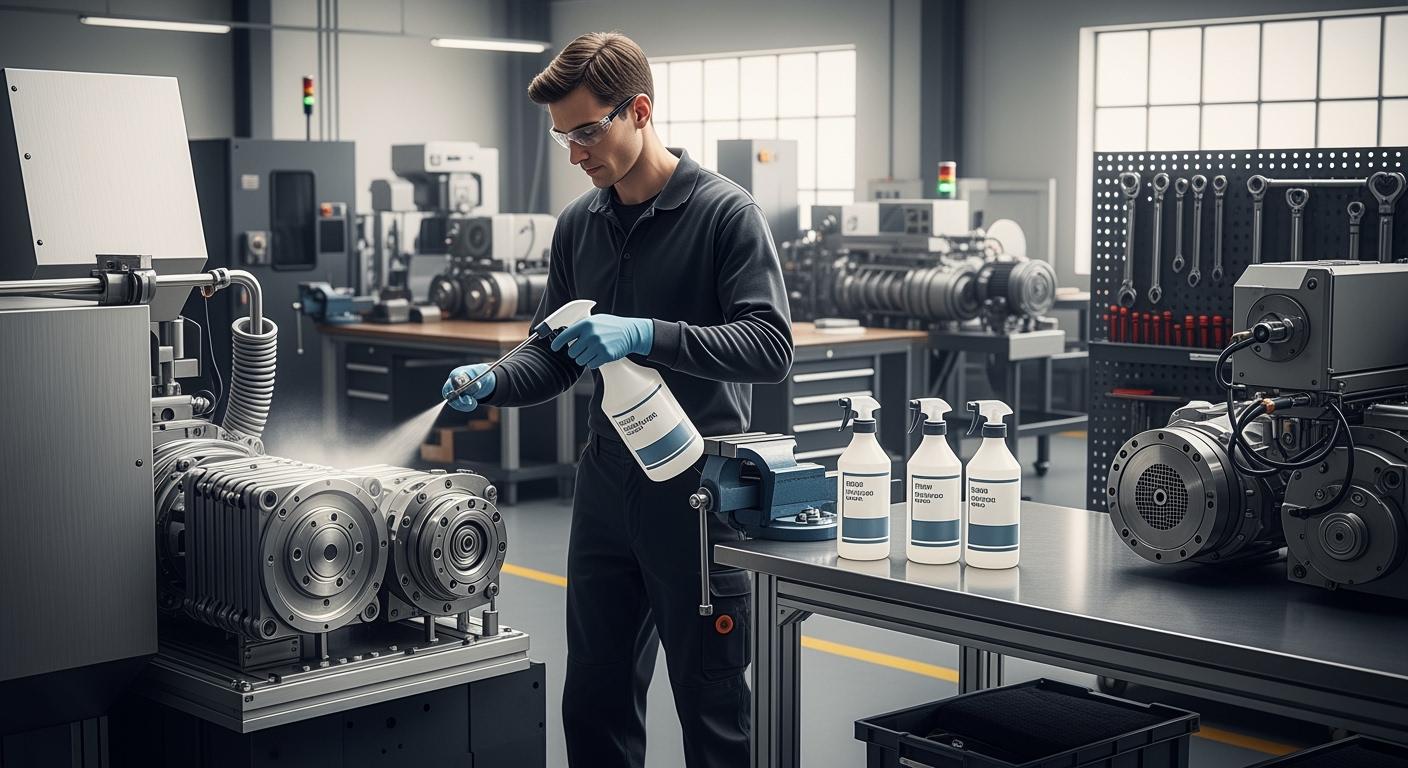
Spray Application: Ideal for large surfaces or hard-to-reach areas. This method allows for even distribution and quick coverage.
Soaking: Effective for heavily soiled items. Allowing items to soak in a cleaning solution can help loosen stubborn grease and grime.
Wiping: Using cloths or sponges with a cleaner is suitable for smaller areas or delicate surfaces. This method allows for precise application and control.
Tip: Always follow the manufacturer’s instructions for the best results. KESH products are designed for versatility, making them suitable for various application methods.
When choosing an industrial water-based cleaner for oil and grease, consider both concentration levels and application methods. These factors will help you achieve optimal cleaning results while maintaining safety and efficiency in your operations.
Summary of Key Features to Consider
Factor | Description |
|---|---|
Performance | Evaluate the cleaner’s effectiveness based on concentration and application. |
Safety | Ensure the cleaner is safe to handle and non-flammable. |
Compatibility | Check compatibility with surfaces and materials in your facility. |
Environmental Impact | Assess the environmental implications of using the cleaner. |
By understanding these features, you can select the right cleaner that meets your specific needs. KESH brand products stand out for their effectiveness, safety, and versatility, making them an excellent choice for industrial cleaning tasks.
Top Industrial Water-Based Cleaners for Oil and Grease
Product A Overview
One of the leading industrial water-based cleaners for oil and grease is GREENEX®. This product features a natural surfactant derived from plant extracts. It is non-ionic, non-flammable, and highly effective for various cleaning applications. You can use GREENEX® for tasks such as:
Cooling systems
Solar panel cleaning
Boiler water treatment
Engine cleaning
Turbine cleaning
Oil stain removal
Oil recovery
This versatility makes it a popular choice among industry experts.
KESH Product Overview
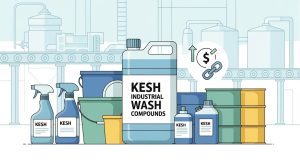
KESH offers a range of industrial water-based cleaners specifically designed for oil and grease removal. Their products combine powerful surfactants and alkaline agents, ensuring effective cleaning without compromising safety. KESH cleaners are suitable for various surfaces, making them ideal for diverse cleaning applications.
You can trust KESH products to deliver consistent results while maintaining the integrity of your equipment. Their formulations are designed to tackle tough grease and oil stains effectively, providing you with a reliable solution for your cleaning needs.
Selecting the right industrial water-based cleaner for oil and grease is vital for effective cleaning and safety. Evaluate your specific needs and consider the recommendations provided. KESH products stand out for their effectiveness and safety.
Here are some key recommendations to keep in mind:
Recommendation Type | Details |
|---|---|
Safety and Compliance | Choose cleaners that adhere to local and international safety standards (e.g., SON, OSHA, REACH). |
Biodegradability | Opt for biodegradable and non-toxic cleaners to meet environmental regulations. |
VOC Regulations | Ensure products comply with VOC regulations to minimize air pollution. |
Environmental Impact | Prioritize eco-friendly practices for sustainability and corporate responsibility. |
By following these guidelines, you can enhance your cleaning operations while promoting a safer and more sustainable workplace.
FAQ
What are the benefits of using water-based cleaners?
Water-based cleaners are safer, non-flammable, and environmentally friendly. They reduce health risks and improve workplace safety.
How do I determine the right cleaner for my needs?
Evaluate the type of surface, concentration levels, and application methods. Choose a cleaner that matches your specific cleaning tasks.
Are KESH products safe for all surfaces?
Yes, KESH products are designed for various surfaces. Always check compatibility to ensure optimal results without damage.