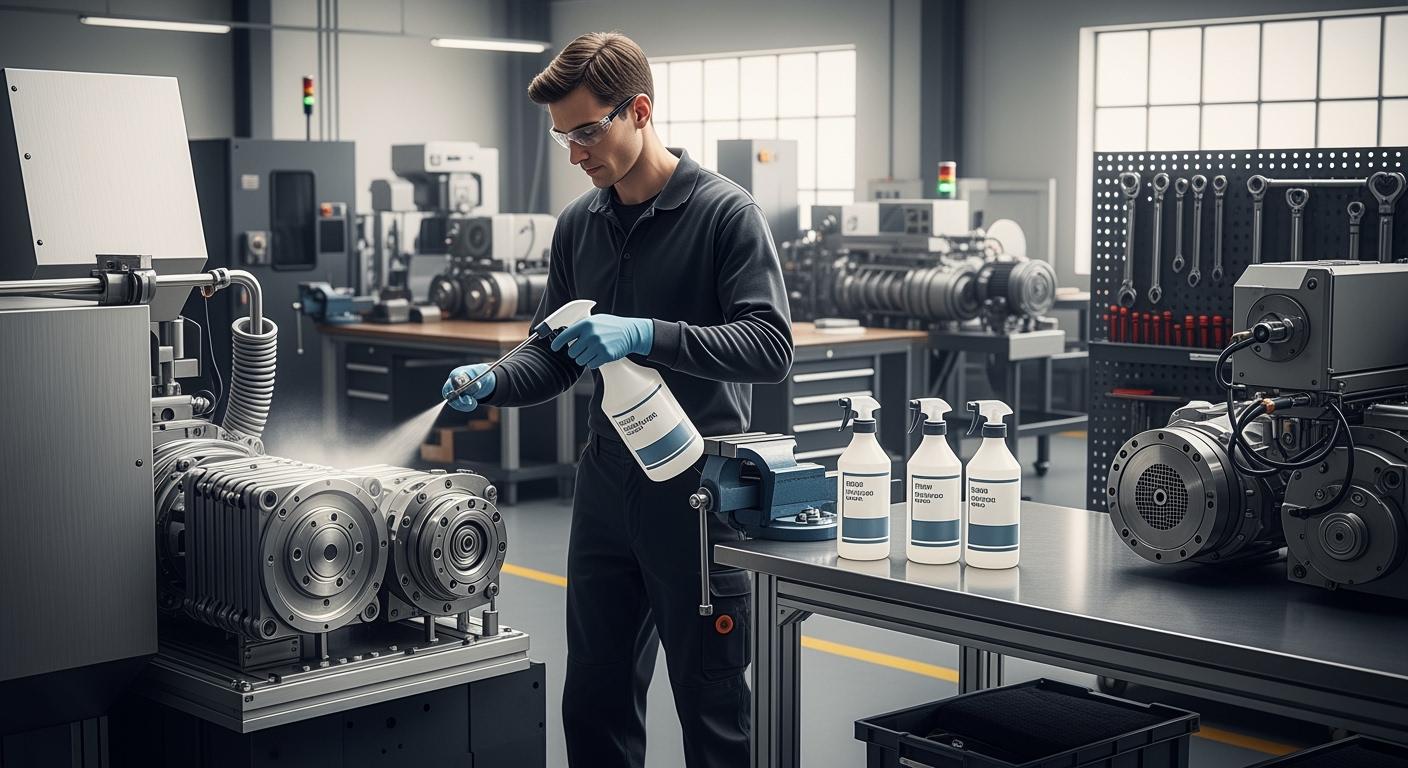
How to Effectively Clean Metal Parts at Home
Cleaning metal parts is very important. It helps keep them looking good and working well. Many metal parts in your home need cleaning. These include utensils, appliances, decorative pieces, and jewelry. You can clean these metal parts effectively. Use different methods and materials to get rid of dust, dirt, and tarnish.
Key Takeaways
Always put safety first when cleaning metal parts. Wear gloves and goggles to keep yourself safe from harmful chemicals. – Use the right cleaning materials, like microfiber cloths and gentle cleaners, to avoid hurting metal surfaces. – Set up a regular cleaning schedule to keep your metal items looking good and working well. This helps stop dirt and rust from building up.
Preparation for Metal Parts Cleaning
Safety Tips
Before you clean metal parts, think about your safety. Cleaning products can have harmful chemicals. These can be bad for your health. Here are some important safety tips to remember:
Always wear gloves to keep your skin safe.
Use safety goggles to protect your eyes from splashes.
Make sure your cleaning area has good airflow to avoid breathing in fumes.
Keep cleaning supplies away from kids and pets.
Be careful with heavy metals in some cleaners. They can cause serious health problems.
Being around harmful chemicals like asbestos, manganese, and solvents can cause serious health problems. Risks include skin irritation, chemical burns, and damage inside your body from these substances.
Necessary Materials
Getting the right materials is key for cleaning metal parts well. Using the right tools and cleaners makes the job easier and better. Here’s a list of important materials you should have ready:
Microfiber cloth
Soft sponges
Old toothbrushes
Cotton swabs
Mild dish soap
White vinegar
Baking soda
Lemon juice
When you clean, always use soft cloths, nylon brushes, or non-abrasive sponges. These tools help avoid scratches and damage to the metal. Also, always test cleaning methods on a small, hidden area first to prevent any bad reactions.
Good preparation helps how well you clean metal parts. If the surface isn’t cleaned well or has flaws, these problems may show up in the final look. Following a clear plan helps you get the best results.
Here are the steps to prepare metal parts before cleaning:
Initial Inspection: Look at the metal surface for heavy rust or dirt.
Pre-Cleaning: Use a soft brush or cloth to take off loose dirt and debris.
Application: Put on the metal cleaner as the product says.
Dwell Time: Let the cleaner work on the dirt for the time suggested.
Rinsing: Rinse the surface well to wash away all residues.
Drying: Use air drying or a soft, lint-free cloth to make sure no moisture stays.
By following these steps, you can make sure your metal parts cleaning is both effective and safe.
Methods for Cleaning Metal Parts
Aqueous and Solvent-Based Cleaning
Aqueous cleaning methods work well for cleaning metal parts at home. These methods use water-based solutions that quickly dissolve dirt. Alkaline cleaners are a popular choice. They rinse off easily and are safe for the environment. They do not have harmful chemicals called volatile organic compounds (VOCs) or other pollutants.
Ultrasonic cleaners are another good option. They use high-frequency sound waves to remove dirt and grime. This process helps clean better by making tiny bubbles that pop and lift dirt away. Agitating parts cleaners also help clean better by using vibrations and mixing in immersion tanks.
Mechanical Cleaning Techniques
Mechanical cleaning techniques use physical ways to clean metal parts. Here are some common methods you can try:
Manual washing: Scrub parts by hand with a brush. This works well for small parts with light to moderate dirt.
Immersion cleaning: Use air-powered agitation to clean parts like turbine blades and cylinder heads. This method is good for larger items.
Ultrasonic cleaning: This automated method gives a higher level of cleanliness. It is good for parts that need deep cleaning.
Mechanical weld cleaning is often used to remove heat-tint from stainless steel workpieces. You just need to rub the surface with something harder than stainless steel.
Natural Cleaners for Metal
Natural cleaners are a great choice for cleaning metal parts without causing harm. For example, Soganics has a plant-based cleaner that works on many surfaces, including metal. This cleaner is versatile and can clean countertops, tiles, and wood.
Using natural cleaners is good for the environment too. Here are some benefits:
Non-toxic and biodegradable
No ozone-depleting solvents
No harmful fumes
High biodegradability of 82%
Follows ISO 14000 standards
These cleaners are made from plant extracts and have a water-based formula that is easy to throw away. They help create a safer working space.
Removing Rust from Metal
Removing rust from metal parts can be tough, but there are effective methods. Here are some techniques you can try:
Soak the item in vinegar for 30 minutes to 2 hours, depending on how rusty it is.
Make a paste of baking soda and vinegar or baking soda and lemon juice.
Use ketchup, which has acid and salt that helps remove rust.
Rub the metal with lemon dipped in salt.
These rust removal methods are simple and can help bring your metal items back to their original state. Knowing how to remove rust well will help your metal parts last longer.
By picking the right cleaning method based on the type of metal, you can ensure effective cleaning and care for your metal parts.
Maintenance Tips for Metal Parts
Regular Cleaning Schedule
To keep your metal parts looking good and working well, set up a regular cleaning schedule. Here are some helpful tips:
Inspect Periodically: Look at your metal items every few weeks for dirt or rust.
Clean Regularly: Wipe surfaces with a microfiber cloth to get rid of dust and grime.
Deep Clean: Plan a thorough cleaning every few months, especially for items that get wet.
Doing these steps helps you keep your metal parts looking nice and lasting longer.
Protective Coatings
Putting on protective coatings can really help stop tarnishing and rust. Here are some common choices:
Chrome Plating: This coating makes things stronger and stops rust. It works great on car parts and silverware.
Oil-based Inhibitors: These make a barrier against moisture and air, perfect for tough places.
Wax-based Coatings: They give a thick layer of protection, great for storing metal parts.
Description | Use Cases | |
|---|---|---|
Oil-based | Makes a barrier against moisture and air. | Long-term protection in tough places. |
Water-based | Easy to clean off, good for short-term use. | Temporary protection during transport. |
Wax-based | Gives a thick layer of protection. | Best for storing metal parts. |
Vapor-phase (VCI) | Protects metal in closed spaces. | Great for shipping and storage. |
By using these protective methods, you can stop future tarnishing and rusting. Regular care and protective coatings will help your metal parts last longer and look their best.
Cleaning metal parts at home is very important. It helps keep them looking nice and working well. You can use different methods, like natural cleaners and mechanical ways, to keep your items in great shape. Cleaning regularly stops dirt and rust from building up. This buildup can harm your metal items over time. For instance, knowing how to remove rust can help your belongings last longer.
Use these techniques to make sure your metal parts stay nice and last longer. Remember, putting in a little effort to maintain them helps keep your items good for many years.
FAQ
What is the best way to clean stainless steel?
Use a mixture of vinegar and water. Wipe with a microfiber cloth to avoid scratches and maintain shine.
How often should I clean metal parts?
Clean metal parts every few weeks. Deep clean them every few months to prevent dirt buildup and rust.
Can I use bleach to clean metal?
Avoid using bleach on metal. It can cause corrosion and damage the surface. Stick to mild cleaners instead.