How Aqueous Cleaning for Aerospace Components Transforms Manufacturing
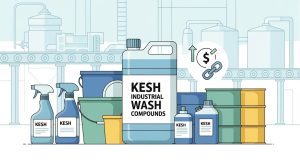
Aqueous cleaning for aerospace components revolutionizes manufacturing processes. This method achieves exceptional cleanliness levels, crucial for meeting stringent industry standards. Additionally, it promotes sustainability by reducing hazardous waste and ensuring operator safety. With its cost efficiency, aqueous cleaning enhances overall productivity, making it an essential choice for modern aerospace manufacturing.
Key Takeaways
Aqueous cleaning achieves exceptional cleanliness for aerospace components, ensuring compliance with strict industry standards.
This method promotes sustainability by reducing hazardous waste and lowering the carbon footprint, making manufacturing more environmentally friendly.
Aqueous cleaning enhances operator safety by using non-toxic solutions, creating a safer working environment and simplifying training for new employees.
Cleaning Effectiveness
Performance and Safety
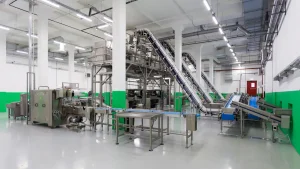
Aqueous cleaning for aerospace components achieves exceptional cleanliness levels. This method effectively removes contaminants that can compromise the safety and performance of aircraft. You can trust that the cleaning processes meet stringent aerospace standards. For instance, aqueous parts washers utilize multi-stage processes, including wash, rinse, and blow-off, to ensure thorough cleaning.
Here’s a quick overview of the cleaning methods and their effectiveness:
Cleaning Method | Description |
|---|---|
Aqueous Parts Washers | Utilize multi-stage processes including wash, rinse, and blow-off to remove contaminants. |
Ultrasonic Cleaning | Non-destructive method effective for intricate geometries, ensuring compliance with FAA standards. |
Modern Vapor Degreasing | Employs low-surface-tension fluids for cleaning complex shapes and tight spaces, enhancing safety. |
These methods not only enhance cleanliness but also ensure compliance with FAA regulations. This compliance is crucial for maintaining aircraft safety and airworthiness.
Complex Component Compatibility
Aqueous cleaning excels in handling complex aerospace components. The intricate designs of these parts often pose challenges for traditional cleaning methods. However, aqueous cleaning techniques adapt well to these complexities. They effectively clean hard-to-reach areas without damaging sensitive components.
The versatility of aqueous cleaning allows it to cater to various materials used in aerospace manufacturing. Whether you are dealing with metals, composites, or plastics, this method provides a safe and efficient solution. By ensuring that all components receive the necessary attention, you can maintain high safety standards and operational efficiency.
Environmental Benefits of Aqueous Cleaning
Sustainable Practices
Aqueous cleaning for aerospace components significantly reduces hazardous waste and volatile organic compounds (VOCs). This method uses water-based solutions instead of harsh chemicals, which minimizes environmental impact. By adopting aqueous cleaning, you contribute to a cleaner planet. Here are some key sustainable practices associated with this method:
Reduction of Hazardous Waste: Aqueous cleaning generates less waste compared to traditional solvent-based methods. This reduction helps you comply with environmental regulations more easily.
Lower Carbon Footprint: Aqueous cleaning processes typically consume less energy. This efficiency leads to a smaller carbon footprint, making your manufacturing operations more sustainable.
Recyclable Solutions: Many aqueous cleaning solutions are recyclable. This feature allows you to reuse materials, further decreasing waste and promoting sustainability.
Operator Safety
Operator safety is a top priority in aerospace manufacturing. Aqueous cleaning enhances safety in several ways:
Tip: By choosing aqueous cleaning, you protect your workforce from exposure to harmful chemicals.
Non-toxic Solutions: Aqueous cleaning uses non-toxic cleaning agents. This choice reduces the risk of chemical burns and respiratory issues among operators.
Improved Working Environment: The absence of harsh solvents creates a safer and more pleasant working environment. Operators can perform their tasks without worrying about harmful fumes or spills.
Enhanced Training and Compliance: Implementing aqueous cleaning often simplifies training for new employees. You can focus on safe handling practices without the complexities of managing hazardous materials.
By prioritizing both sustainability and operator safety, aqueous cleaning for aerospace components transforms your manufacturing processes. This method not only meets industry standards but also fosters a responsible approach to production.
Cost Efficiency of Aqueous Cleaning for Aerospace Components
Economic Advantages
Aqueous cleaning for aerospace components offers significant economic benefits. First, you can expect long-term savings. By reducing the need for expensive solvents and hazardous waste disposal, you lower your operational costs. Additionally, the efficiency of aqueous cleaning processes minimizes the time spent on cleaning tasks. This efficiency translates into reduced labor costs and increased profitability.
Consider these economic advantages:
Lower Material Costs: Aqueous cleaning uses water-based solutions, which are generally less expensive than traditional solvents.
Reduced Waste Disposal Fees: With less hazardous waste generated, you save on disposal costs.
Longer Equipment Lifespan: Aqueous cleaning systems often require less maintenance, extending the life of your cleaning equipment.
Operational Efficiency
Aqueous cleaning enhances operational efficiency in several ways. The multi-stage cleaning processes ensure thoroughness, which means fewer reworks and higher quality outputs. You can also expect reduced downtime. Since aqueous cleaning systems operate quickly, you can keep your production lines moving without interruptions.
Here are some key points regarding operational efficiency:
Faster Turnaround Times: Aqueous cleaning processes typically complete faster than traditional methods, allowing you to meet tight deadlines.
Consistent Results: The reliability of aqueous cleaning ensures that every component meets the required cleanliness standards.
Simplified Training: Training staff on aqueous cleaning systems is straightforward. This simplicity helps you onboard new employees quickly and efficiently.
By adopting aqueous cleaning for aerospace components, you not only improve your bottom line but also streamline your operations.
Aqueous cleaning offers numerous benefits for aerospace components. You achieve exceptional cleanliness, enhance safety, and promote sustainability. This method reduces hazardous waste and lowers operational costs. By adopting aqueous cleaning, you improve your manufacturing practices and contribute to a safer environment. Embrace this innovative approach for a more efficient future! 🌍✈️
FAQ
What is aqueous cleaning?
Aqueous cleaning uses water-based solutions to remove contaminants from aerospace components, ensuring high cleanliness levels while being environmentally friendly.
How does aqueous cleaning improve safety?
Aqueous cleaning reduces exposure to harmful chemicals, creating a safer working environment for operators and minimizing health risks.
Is aqueous cleaning cost-effective?
Yes, aqueous cleaning lowers material costs and waste disposal fees, leading to long-term savings and improved operational efficiency.