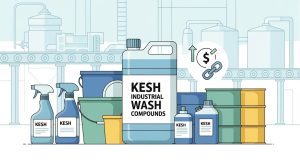

Choosing the Right Water-Based Cleaner for Industrial Grease
Choosing the right water-based industrial cleaner for grease is crucial. These cleaners provide safety and a lower environmental impact compared to their solvent-based counterparts. With so many options available, how can one determine which water-based industrial cleaner for grease will be the most effective for their needs?
Key Takeaways
- Select water-based cleaners for grease to enhance safety and reduce environmental impact.
- Consider concentration and temperature for optimal cleaning efficiency and surface compatibility.
- Choose cleaners that are biodegradable and non-flammable to promote a healthier workplace.
Types of Cleaners
Detergents
Detergents are a popular choice when it comes to water-based industrial cleaners for grease. They work by breaking down grease and grime through a process called surfactant action. This action allows the cleaner to lift dirt away from surfaces, making it easier to rinse away. Detergents are effective against a variety of grease types, including those found in kitchens and machinery.
Here are some key features of detergents:
- Composition: Primarily made of water mixed with active ingredients like citric acid or ammonia.
- Effectiveness: Known for their versatility, they can tackle tough grease, dirt, and grime.
- Safety: Generally safe and eco-friendly, making them suitable for various environments.
Emulsifiers
Emulsifiers play a crucial role in water-based cleaning solutions. They help break down industrial grease by allowing oil and water to mix, which is essential for effective cleaning. This process, known as demulsification, enables the removal of grease from surfaces.
Water-based cleaners formulated with specialized surfactants and emulsifiers ensure efficient removal of contaminants. Here’s what makes emulsifiers effective:
- They stabilize the mixture of oil and water, allowing for easier grease removal.
- They enhance the cleaning power of the solution, making it suitable for heavy-duty applications.
Factors to Consider
When selecting a water-based industrial cleaner for grease, two critical factors come into play: concentration and temperature. Understanding these elements can significantly enhance cleaning efficiency and ensure compatibility with various surfaces.
Concentration
The concentration of a cleaner directly affects its effectiveness. A higher concentration often means a more potent solution, which can tackle tougher grease. However, it’s essential to balance concentration with safety and surface compatibility. Here are some points to consider:
- Dilution Guidelines: Always follow the manufacturer’s recommendations for dilution. Too concentrated a solution can damage surfaces, while too diluted may not clean effectively.
- Cleaning Efficiency: Higher concentrations can lead to quicker cleaning times, especially for heavy-duty applications.
Temperature
Temperature plays a vital role in the cleaning process. Warm water can enhance the effectiveness of water-based cleaners by increasing the solubility of grease and grime. Here’s how temperature impacts cleaning:
- Optimal Temperature Range: Most water-based cleaners work best at temperatures between 120°F and 160°F. This range helps dissolve grease more effectively.
- Surface Considerations: Ensure that the surfaces being cleaned can withstand higher temperatures. Some materials may warp or degrade under excessive heat.
Tip: Always test a small area first to ensure that the cleaner and temperature combination is safe for your specific surfaces.
Surface Compatibility
Choosing a cleaner that is compatible with the surfaces in your facility is crucial. Here’s a quick reference table to help you understand the importance of surface compatibility:
| Factor | Description |
|---|---|
| Surface Compatibility | Choose a product that’s safe for the materials in your facility (e.g., metal, concrete, plastic) to prevent damage or corrosion. |
| Specific Cleaning Needs | Each work environment has its own specificities, from the types of machinery used to the particular cleaning and maintenance needs. |
| Versatility | These cleaners can be used on a variety of surfaces, including metals, plastics, and composites, without causing damage. |
Using the right water-based industrial cleaner for grease not only improves cleaning efficiency but also extends the longevity of your equipment. For instance, cleaners like the Torrent Parts Cleaning system enhance equipment lifespan by reducing maintenance frequency and minimizing wear and tear.
- Reduces maintenance frequency
- Minimizes the use of hazardous chemicals
- Creates a safer working environment
- Lowers environmental impact
By considering concentration, temperature, and surface compatibility, you can select the most effective cleaner for your industrial needs.
Environmental and Safety Aspects
Environmental Impact
Water-based industrial cleaners for grease offer significant environmental advantages over traditional solvent-based options. These cleaners generally have a lower ecological footprint, which makes them a more sustainable choice for industrial cleaning. Here are some key benefits:
- Biodegradability: Many water-based cleaners are biodegradable, meaning they break down naturally without harming the environment.
- Lower Toxicity: These cleaners typically contain fewer harmful chemicals, reducing the risk of toxicity to aquatic life when wastewater is treated inadequately.
- Reduced VOC Emissions: Water-based cleaners emit fewer volatile organic compounds (VOCs), which contribute to air pollution and health issues.
Switching to water-based cleaners not only promotes a healthier workplace but also aligns with environmental regulations aimed at reducing hazardous waste.
Safety Profiles
When it comes to safety, water-based cleaners present a more favorable profile compared to their solvent-based counterparts. Here are some important safety considerations:
- Lower Risk of Irritation: Water-based cleaners generally pose a lower risk of skin and eye irritation for workers. This makes them safer to handle during cleaning operations.
- Non-Flammable: Unlike many solvent-based cleaners, water-based options are non-flammable, significantly reducing fire hazards in the workplace.
- Compliance with Safety Standards: When selecting a cleaner, consider certifications such as SON (local safety standard), OSHA (Occupational Safety and Health Administration), and REACH (European regulation for chemical safety). These standards ensure that the products meet safety and environmental protection requirements.
| Safety Standard | Description |
|---|---|
| SON | Local safety standard for industrial cleaners |
| OSHA | Occupational safety and health regulations |
| REACH | European regulation for chemical safety and environmental protection |
Despite their advantages, water-based cleaners require rinsing after use. This step is crucial to remove any residues and prevent potential issues, such as rust on metal surfaces. Rinsing can add extra time to the cleaning process and increase water consumption. However, the benefits of using a safer, more environmentally friendly cleaner often outweigh these considerations.
Tip: Always follow the manufacturer’s instructions regarding rinsing and disposal to ensure compliance with local regulations and to maintain a safe working environment.
Choosing the right water-based cleaner for industrial grease is essential. These cleaners offer safety and environmental benefits, such as lower toxicity and flammability.
- They minimize health risks and ecological impact.
- Assess your specific cleaning needs and surface compatibility.
- Balance effectiveness with sustainability for optimal results.
By considering these factors, readers can make informed decisions that enhance their cleaning processes.
Remember, the right cleaner not only improves efficiency but also contributes to a safer workplace! 🌍
FAQ
What types of surfaces can water-based cleaners be used on?
Water-based cleaners work well on metals, plastics, and composites. Always check compatibility to avoid damage.
How do I know the right concentration for my cleaner?
Follow the manufacturer’s dilution guidelines. Adjust based on the grease type and surface compatibility.
Are water-based cleaners safe for the environment?
Yes! They are biodegradable, have lower toxicity, and emit fewer VOCs, making them eco-friendly options.