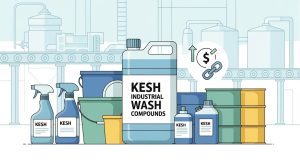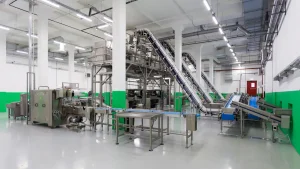
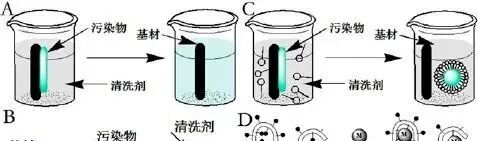
Selecting the appropriate industrial equipment cleaning solutions is essential for the upkeep of your machinery. The right cleaning solutions not only extend the lifespan of your equipment but also promote safety within the workplace. When choosing industrial equipment cleaning solutions, it’s important to consider their effectiveness and environmental impact. By prioritizing these aspects, you contribute to a cleaner and safer work environment.
Key Takeaways
- Choose cleaning chemicals based on surface compatibility to avoid damage. Always check the material of the equipment before selecting a cleaner.
- Prioritize safety by using non-toxic cleaning options and following safety guidelines. Protect cleaning staff by ensuring compliance with safety regulations.
- Consider the environmental impact of cleaning chemicals. Opt for biodegradable and eco-friendly solutions to promote sustainability in your cleaning practices.
Types of Cleaning Chemicals
When it comes to cleaning industrial equipment, understanding the different types of cleaning chemicals is crucial. Each type serves a unique purpose and is suited for specific applications. Let’s dive into the three main categories: solvent-based cleaners, water-based cleaners, and neutral cleaning solutions.
Solvent-Based Cleaners
Solvent-based cleaners are powerful tools in the industrial cleaning arsenal. They can be either alkaline or acidic, depending on their formulation. These cleaners are particularly effective at dissolving grease and oil from hard surfaces, making them ideal for environments where these contaminants are common. Here are some key points about solvent-based cleaners:
- They can be categorized as general or specific-purpose cleaners.
- General cleaning solutions work well on various surfaces, while specific-purpose cleaners target particular contaminants.
- Common applications include automotive, rail, marine, aerospace, mechanical, power, and oil and gas industries.
However, it’s important to note that solvent-based cleaners can contain harmful elements. They pose health and safety risks if not handled correctly and may negatively impact the environment. Always prioritize safety when using these cleaning chemicals.
Water-Based Cleaners
Water-based cleaners are gaining popularity due to their effectiveness and safety. They do not contain harsh chemicals found in solvent-based cleaners, making them a kinder choice for both users and the environment. Here’s how they stack up against solvent-based cleaners:
| Application Area | Water-Based Cleaners | Solvent-Based Cleaners |
|---|---|---|
| Heavy Industries | Effective, safe, environmentally friendly | Harsh chemicals, health risks |
| Cleaning Equipment | Suitable for various industrial residues | Residuals difficult to remove |
| Environmental Impact | Kinder to the environment | Higher environmental concerns |
Water-based cleaners are effective in various applications, including manufacturing, agriculture, and food and beverage production. They minimize health risks and environmental concerns, making them a smart choice for many industries.
Neutral Cleaning Solutions
Neutral cleaning solutions typically have a pH value around 7.0, meaning they are neither acidic nor alkaline. This balance makes them safe for a wide range of surfaces. They are particularly useful in environments where surface compatibility is a concern. Here’s what you should know:
- A pH below 7 indicates acidity, while a pH above 7 indicates alkalinity.
- These solutions are gentle yet effective, making them suitable for sensitive equipment and surfaces.
Choosing the right cleaning chemicals is essential for maintaining industrial equipment. Always consider surface compatibility and the specific needs of your cleaning tasks.
Factors for Industrial Equipment Cleaning Solutions
When it comes to selecting the right cleaning chemicals for industrial equipment, several key factors come into play. Understanding these factors can help you make informed decisions that ensure both effectiveness and safety.
Surface Compatibility
Surface compatibility is crucial when choosing cleaning solutions. Different materials require specific cleaning chemicals to avoid damage. Using the wrong type of cleaner can lead to degradation of the surface, which impacts both hygiene and safety. For example, abrasive cleaners should not be used on delicate surfaces like glass, plastics, and vinyl, as they can cause scratches and damage. Here are some important points to consider:
- Always check the material of the equipment before selecting a cleaner.
- Use heavy-duty cleaners only on surfaces that can withstand them.
- Test a small area first if you’re unsure about compatibility.
Safety and Health Considerations
Safety should always be a top priority when using industrial cleaning supplies. Many cleaning chemicals can pose health risks, so it’s essential to be aware of these dangers. Common health risks associated with industrial cleaning chemicals include:
- Release of volatile organic compounds (VOCs) that can be unhealthy for building occupants and cleaning staff.
- The importance of using non-toxic options to minimize health risks.
- The need for protective equipment to safeguard cleaning staff.
To ensure safety, follow these guidelines:
- Check product labels for safety instructions and hazard warnings.
- Consider non-toxic options for cleaning supplies.
- Ensure compliance with relevant regulations regarding the use and disposal of cleaning products.
Environmental Impact
The environmental impact of cleaning chemicals is another critical factor to consider. Many industries are moving towards greener alternatives to reduce their ecological footprint. Regulatory standards often influence the selection of cleaning chemicals. For instance, certain cleaning chemicals must meet specific safety standards for direct food contact. Here’s a quick overview:
| Cleaning Chemical Type | Regulatory Requirement | Application Context |
|---|---|---|
| Food Grade | Must meet safety standards for direct food contact | Areas where food or ingredients come in direct contact with human mouths |
| Food Contact Grade | Compliance required for surfaces touching food | Equipment or surfaces that touch food directly |
| Bio-Based Cleaner | Governed by environmental standards | Surrounding zones for safer, greener cleaning alternatives |
By considering these factors, you can choose the right industrial equipment cleaning solutions that not only clean effectively but also promote safety and sustainability.
Recommendations for Cleaning Chemicals
Heavy Machinery
When it comes to heavy machinery, choosing the right cleaning chemicals is vital. Here are some criteria to consider:
| Criteria | Description |
|---|---|
| Type of Soil | Know the type of soil to be removed for effective cleaning. |
| Surface Material | The material of the surface affects the choice of cleaner. |
| pH Level | The pH level indicates whether a cleaner is acidic or alkaline, influencing its effectiveness. |
| Environmental Safety | Select chemicals with minimal environmental impact. |
| Performance | Ensure the chemical effectively tackles the cleaning task. |
For heavy machinery, alkaline cleaners work well for grease and oil, while acidic cleaners are great for tough stains. Products like Kwikmaster H19 and GREENEX® are excellent choices for removing heavy contaminants.
Food Processing Equipment
In food processing, safety is paramount. Use cleaning chemicals that comply with food safety standards. A top recommendation is the Kwikmaster Professional K6 Food Surface Sanitiser. This no-rinse sanitizer effectively cleans metallic surfaces, removing grease and bacteria without leaving harmful residues.
Remember, using the wrong cleaner can lead to safety failures, impacting food safety.
Electronics and Sensitive Equipment
For electronics, you need to be extra cautious. Here are some tips for selecting the best cleaning chemicals:
- ESD Risk: Choose anti-static solvents to protect sensitive devices.
- Chemical Compatibility: Opt for non-reactive solvents to avoid damage.
- Residue-free: Fast-evaporating solvents prevent corrosion.
- Flammability & Safety: Review Safety Data Sheets to avoid flammable formulas.
- Regulatory Compliance: Ensure compliance with RoHS and VOC regulations.
Using a chemical dilution system can help maintain the correct concentration of cleaning solutions. This method ensures effective performance and minimizes waste.
Choosing the right cleaning chemicals is crucial for keeping your industrial equipment safe and effective. Remember, a neutral pH of around 7.0 is ideal to avoid damaging surfaces. Opt for biodegradable options to support the environment and enhance safety. Prioritize both effectiveness and sustainability in your cleaning practices! 🌱
FAQ
What are cleaning chemicals used for in industrial settings?
Cleaning chemicals help remove dirt, grease, and contaminants from industrial equipment, ensuring optimal performance and safety.
Are all cleaning chemicals safe to use?
Not all cleaning chemicals are safe. Always check labels for safety instructions and choose non-toxic options when possible.
How do I choose the right cleaning chemicals?
Consider surface compatibility, safety, and environmental impact when selecting cleaning chemicals for your specific equipment and needs.