Mastering Metal Parts Cleaning Techniques for 2026
Effectively cleaning metal parts is essential for maintaining quality and performance. You may encounter challenges such as stubborn contaminants like oils, greases, and residues from previous coatings. Utilizing the appropriate cleaning solutions and techniques for metal parts cleaning not only guarantees strong adhesion but also helps prevent corrosion and uneven surfaces. Adopting proper practices in metal parts cleaning can result in enhanced durability and efficiency in your projects.
Key Takeaways
- Choose the right cleaning solution for your metal parts. Acidic cleaners work well for rust, while alkaline cleaners are best for oils and grease.
- Use appropriate tools like soft cloths and brushes to reach all areas of your metal parts. This prevents corrosion and ensures effective cleaning.
- Incorporate regular cleaning into your maintenance routine. This practice enhances efficiency, extends equipment life, and improves safety.
Tools for Metal Cleaning
When it comes to effective metal parts cleaning, having the right tools is essential. Let’s dive into the cleaning solutions and scrubbing tools that will help you achieve the best results.
Cleaning Solutions
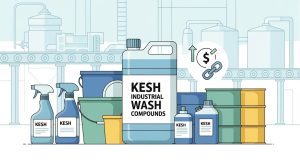
Choosing the right cleaning solution can make a world of difference. In manufacturing, acidic cleaners are great for removing rust and mineral deposits. On the other hand, alkaline cleaners excel at dissolving oils and grease. Here are some popular options you might consider:
- Dishwashing liquid
- Commercial metal polishes
- Distilled white vinegar
- Baking soda
- Lemons or lemon juice
These solutions not only help you clean metal effectively but also prepare surfaces for processes like welding or coating.
Brushes and Scrubbing Tools
You’ll also need a variety of brushes and scrubbing tools to tackle different surfaces. Here’s a list of essential items:
- Soft cloths
- Soft-bristled brushes or toothbrushes
- Microfiber cloths
Using these tools will ensure you can reach every nook and cranny of your metal parts. Remember, a thorough cleaning can prevent issues down the line, such as corrosion or poor adhesion.
Tip: Always wear appropriate safety gear, like gloves and goggles, when handling cleaning solutions. This will protect you from any harmful chemicals or debris.
By equipping yourself with the right tools and solutions, you’ll be well on your way to mastering metal parts cleaning.
Cleaning Methods for Different Metals
Cleaning metal parts effectively requires tailored methods for each type of metal. Let’s explore the best techniques for steel, aluminum, and zinc die castings.
Clean Metal Techniques for Steel
When it comes to cleaning steel, you want to ensure you remove rust and contaminants effectively. Here are some methods you can use:
Degreasing: Start by removing oils and grease from the surface. Use specialized cleaning solutions, either water-based or solvent-based. This step is crucial for ensuring that any subsequent coatings adhere properly.
Washing: After degreasing, wash the steel parts to eliminate any remaining dust and light surface rust. Simple cleaning solutions work well here. Rinse with mineral-free water to avoid spots.
Mild Acid Treatment: For parts with rust or scale, apply a mild acid treatment. Diluted acids can effectively remove rust while preserving the integrity of the underlying metal.
These steps will help you maintain the quality of your steel parts and prevent future corrosion.
Clean Metal Techniques for Aluminum
Aluminum requires special care to avoid damage during cleaning. Here are some effective methods:
Neutral Cleaning Solutions: Always use a neutral cleaning solution to prevent reactions with aluminum. This helps avoid surface damage.
Controlled Heat: Applying controlled heat can enhance cleaning efficiency without harming the surface.
Natural Cleaners: Consider using natural cleaners like lemon juice or baking soda. These have a neutral pH and help dissolve oxidation and grease without causing corrosion.
Mild Methods: For routine maintenance, use solutions such as neutral soap, vinegar, or baking soda. These are effective for light oxidation.
Be cautious of common contaminants on aluminum parts, such as oxidation, grease, and carbonized sludge. These can complicate your cleaning process if not addressed properly.
Cleaning Methods for Zinc Die Castings
Zinc die castings require specific cleaning methods to avoid surface pitting. Here are some best practices:
| Method | Description |
|---|---|
| Mechanical Finishing | Polish with abrasive steps to achieve a brilliant surface, essential for visible parts. |
| Tumbling and Vibratory Finishing | Provides uniform deburring and brightening for high-volume applications, effective for small castings. |
| Chemical Cleaning Solutions | Use industrial baths to remove oxidation and contaminants, crucial for maintaining surface quality. |
| Passivation and Conversion Coating | Enhances shine and corrosion resistance through chemical treatments, important for durability. |
For cleaning die cast zinc, consider using a mixture of dish soap and warm water. Soak the parts for 10–20 minutes, then gently brush with a soft toothbrush. You can also use lemon juice or vinegar to remove mild tarnish effectively.
By following these methods, you can ensure that your metal parts remain clean and in excellent condition, ready for their next application.
Effective Cleaning Techniques
When it comes to metal parts cleaning, you have several effective techniques at your disposal. Each method has its strengths, so let’s explore some of the most popular options.
Aqueous Cleaning Methods
Aqueous cleaning methods use water-based solutions to clean metal parts. These methods are often safer for both the environment and the user. Here are some key benefits:
- Versatility: Aqueous cleaners can tackle a variety of contaminants, including oils, greases, and dirt.
- Safety: These methods typically use non-toxic ingredients, making them safer for you and the environment.
- Efficiency: Many aqueous cleaners work quickly, allowing you to clean multiple parts in a short time.
To get the best results, consider using a combination of degreasing and removing oily residue techniques. For example, you might start with a degreaser to break down heavy oils, followed by a rinse with a mild soap solution to remove any remaining contaminants.
Ultrasonic Cleaning
Ultrasonic cleaning is a game-changer for metal parts cleaning. This method uses high-frequency sound waves to create tiny bubbles in a cleaning solution. When these bubbles collapse, they produce powerful cleaning action that reaches even the most intricate surfaces. Here’s why you should consider ultrasonic cleaning:
- Thoroughness: Ultrasonic cleaning ensures thorough cleaning of every component, regardless of size or shape. It excels in removing stubborn contaminants such as oil, grease, cutting fluids, and metal shavings from intricate components.
- Time-Saving: You can clean multiple parts simultaneously, which saves you time and effort.
- Precision: This method is crucial for maintaining precision and cleanliness in metalworking and machining.
However, be cautious when using ultrasonic cleaning on different metals. Certain cleaning solutions can be too harsh for aluminum, leading to surface corrosion or discoloration. Always choose a solution specifically formulated for the type of metal you’re cleaning.
Natural Cleaners
If you prefer eco-friendly options, natural cleaners can be highly effective for getting stains out of metal. Here are some popular choices:
| Cleaner | Active Component | Primary Function | Example Use Case & Result |
|---|---|---|---|
| Lemon Juice | Citric Acid (5%–6%) | Dissolves oxidation, brightens surface | Cleaned a BMW N52 throttle body with lemon juice + salt, restored bright metallic sheen in 10 min without surface damage |
| Baking Soda | Sodium Bicarbonate | Neutralizes acidic contaminants, degreases gently | Useful for removing acidic residues and light oil films without scratching aluminum |
| Vinegar | Acetic Acid (3%–5%) | Softens scaling and stains | Applied on stained aluminum surfaces, loosened mineral deposits and improved appearance |
These natural cleaners are not only effective but also safe for you and the environment. They can help you maintain your metal parts without harsh chemicals.
By incorporating these effective cleaning techniques into your routine, you can ensure that your metal parts remain in excellent condition, ready for whatever task lies ahead.
In summary, mastering metal parts cleaning involves using the right tools and techniques. Regular cleaning not only keeps your equipment running smoothly but also extends its lifespan. Here are some benefits of maintaining clean metal parts:
| Benefit | Description |
|---|---|
| Increased operational efficiency | Clean machines operate more smoothly, reducing friction and overheating, and improving heat transfer. |
| Extends equipment life | Regular cleaning prevents wear from dirt, reduces corrosion, and allows for early problem detection. |
| Reduced downtime | Cleaning minimizes breakdowns, shortens maintenance time, and facilitates easier inspections. |
| Increased work safety | A cleaner environment reduces fire risks and improves visibility of safety signs. |
| Optimization of fuel consumption | Clean machines achieve better fuel efficiency and reduce engine workload. |
Make cleaning a regular part of your maintenance routine to enjoy these benefits!
FAQ
What is the best cleaning solution for metal parts?
You can use a mix of dish soap and warm water for general cleaning. For tougher stains, consider commercial metal polishes or natural options like vinegar.
How often should I clean my metal parts?
Aim to clean your metal parts regularly, ideally after each use or at least once a month, to prevent buildup and maintain performance.
Can I use ultrasonic cleaning on all metals?
Not all metals are suitable for ultrasonic cleaning. Always check compatibility, especially with softer metals like aluminum, to avoid damage.