How to Effectively Clean Manufacturing Machinery
Cleaning your manufacturing industry machinery is crucial for ensuring efficiency and safety in your operations. A clean machine runs smoother, reducing the risk of breakdowns and accidents. You can achieve this through various methods, such as ultrasonic cleaning, spray jet cleaning, and multistage systems. Each method plays a vital role in maintaining your equipment and extending its lifespan.
Key Takeaways
- Regular cleaning of manufacturing machinery boosts efficiency and safety, leading to fewer breakdowns and accidents.
- A systematic cleaning process, including pre-rinse, detergent application, and post-rinse, ensures thorough maintenance and extends equipment lifespan.
- Choosing the right cleaning equipment and detergents is crucial for effective cleaning, helping to reduce costs and improve product quality.
Why Clean Manufacturing Machinery?
Keeping your manufacturing machinery clean is not just about aesthetics; it significantly impacts efficiency and safety. When you maintain cleanliness, you create a smoother operational flow, which can lead to impressive results. Here’s how cleanliness affects your operations:
Impact of Cleanliness on Efficiency and Safety:
- Product Quality: Clean parts reduce defects, improve performance, and enhance the lifespan of assemblies.
- Process Efficiency: Removing contaminants ensures smooth downstream processes like painting, welding, and coating.
- Compliance & Safety: Meeting ISO, GMP, and cleanliness standards is crucial to avoid failures and recalls.
- Cost Reduction: Properly cleaned parts lead to reduced machine wear, rework, and rejection rates.
To illustrate these points, consider the following table that summarizes the impact areas:
| Impact Area | Description |
|---|---|
| Product Quality | Clean parts reduce defects, improve performance, and enhance the lifespan of assemblies. |
| Process Efficiency | Removing contaminants ensures smooth downstream processes like painting, welding, coating, etc. |
| Compliance & Safety | Meeting ISO, GMP, and cleanliness standards is crucial to avoid failures and recalls. |
| Cost Reduction | Properly cleaned parts lead to reduced machine wear, rework, and rejection rates. |
Regular cleaning also extends the lifespan of your machinery. When you neglect cleaning, dirt and grime accumulate, leading to wear and tear. This can result in costly repairs and unexpected downtime. Here’s a look at the long-term financial impacts of neglecting regular cleaning:
| Financial Impact | Description |
|---|---|
| Increased Energy Bills | Neglected systems operate less efficiently, leading to higher utility costs due to increased energy consumption. |
| Reduced Productivity and Increased Absenteeism | Poor air quality from dirty systems can lead to health issues, resulting in lost work hours and decreased productivity. |
| Premature Equipment Failure and Costly Repairs | Accumulated dirt causes wear and tear, leading to expensive repairs and unexpected downtime. |
In modern manufacturing, the stakes are high. Regular cleaning not only keeps your equipment running smoothly but also ensures compliance with industry standards. By investing time in cleaning, you can save money in the long run and maintain a safe working environment.
Manufacturing Industry Cleaning Process
Cleaning manufacturing machinery involves a systematic approach to ensure every part of the equipment receives the attention it needs. Here’s a breakdown of the essential steps you should follow:
Pre-Rinse Techniques
Before diving into the main cleaning process, start with pre-rinse techniques. This step helps remove loose dirt and debris, making the subsequent cleaning more effective. Here’s how you can do it:
- Clean the ceiling: Dust and grime can fall onto your machinery, so start from the top.
- Clean the walls and surfaces: Wipe down surfaces to prevent contaminants from spreading.
- Clean machinery and equipment: Use a gentle spray to remove any visible dirt.
- Clean the floor: A clean floor prevents dirt from being tracked back onto the machinery.
- Inspect and review: Check for any areas that need special attention.
By following these steps, you set the stage for a thorough cleaning process.
Detergent Application
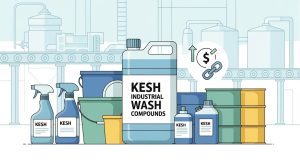
Choosing the right detergent is crucial for effective cleaning. The right detergent enhances the cleaning process, which is vital for maintaining your manufacturing equipment. Here are some key points to consider:
- Effective cleaning reduces machine wear, leading to improved efficiency.
- The choice of detergent plays a significant role in extending the equipment’s lifespan, which ultimately impacts your operational costs.
When applying detergent, ensure you follow the manufacturer’s instructions. This will help you achieve the best results without damaging your machinery.
Post-Rinse Procedures
After cleaning, don’t skip the post-rinse procedures. These steps are essential for preventing corrosion and ensuring your machinery remains in top condition. Here’s what you should do:
- Select a degreaser compatible with the equipment material.
- Follow the instructions for use carefully, including the recommended contact time.
- Rinse equipment thoroughly with clean water after cleaning.
- Dry the equipment well after rinsing.
- If required, apply anti-corrosion protection after cleaning.
By adhering to these post-rinse procedures, you can significantly reduce the risk of corrosion and extend the life of your machinery.
Using the right equipment is just as important as the cleaning process itself. Here’s a quick overview of some commonly used industrial parts cleaning equipment:
| Equipment Type | Best For | Benefits |
|---|---|---|
| Ultrasonic Cleaning Machines | Precision components, automotive injectors, medical devices, aerospace parts, small intricate components | Deep cleaning, non-abrasive, reaches blind holes, fast cycles |
| Spray Jet Cleaning Machines | Medium to large components, engine blocks, housings, industrial assemblies | Strong degreasing, effective for oil, dirt, and carbon removal |
| Multistage Cleaning Systems | Critical industries requiring multi-process cleaning—automotive, aerospace, precision engineering | Consistent cleaning results with automated workflow |
| Rotary Parts Washing Machines | Small parts in high quantities such as fasteners, nuts, bolts, bearings | High productivity, uniform cleaning, labor-free operation |
| Conveyor Type Parts Washing Machines | Automotive OEMs, machine shops, die casting units | Continuous cleaning, inline integration, excellent for scaling |
| Bin Cleaning Machines | Food industries, pharma, logistics, manufacturing | Hygienic cleaning, high pressure washing, thorough sanitization |
| AHU Filter Cleaning Machines | HVAC maintenance, pharma companies, industrial facilities | Saves cost on filter replacement, improves air quality |
By utilizing advanced cleaning technologies and following these steps, you can ensure your manufacturing machinery remains efficient and safe.
Equipment-Specific Cleaning Techniques
Cleaning CNC Machines
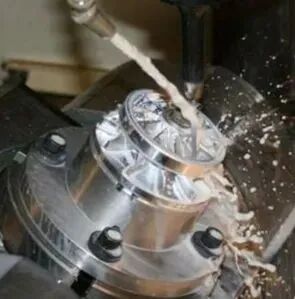
Cleaning CNC machines requires a careful approach to maintain precision and performance. Start with a pre-rinse to remove loose debris. This step is crucial; it helps prevent residue from sticking during the wash. Next, apply a suitable detergent that dissolves chips and sand particles. Here’s a quick guide:
- Pre-rinse: Remove loosely attached residue.
- Detergent step: Use a detergent that breaks down residue into microparticles.
- Post rinse: Rinse thoroughly to avoid detergent residue.
For optimal results, consider using grinding fluids. They not only clean but also prevent rust, ensuring your workpieces maintain their quality.
Cleaning Conveyor Systems
Conveyor systems often accumulate debris, which can hinder efficiency. To tackle this, you can use customized wash boxes that significantly reduce cleanup time. Here are some effective techniques:
- Install air cannons to remove ash buildup.
- Use the Martin® PV primary Cleaner for improved material movement.
These methods help maintain a clean and efficient conveyor system, ensuring smooth operations.
Cleaning Injection Molding Machines
When it comes to injection molding machines, cleanliness is vital for product quality. Start by removing any leftover resin and contaminants. Use high-performance industrial cleaning systems designed for this purpose. A thorough cleaning process includes:
- Disassembly: Take apart components for a deep clean.
- Use of industrial cleaning equipment: Employ specialized solvents to dissolve residues.
- Final inspection: Ensure all parts are clean before reassembly.
By following these steps, you can enhance the longevity and performance of your injection molding machines.
Cleaning your manufacturing machinery is essential for keeping everything running smoothly. When you maintain components that are spotless, you boost efficiency and extend the life of your equipment. Consider the case studies from companies like Martin Marietta and Coeur Rochester Mine. They show how optimized cleaning processes can lead to better performance and reliability. So, take the time to refine your cleaning methods. Your machinery will thank you!
FAQ
What is the best way to clean manufacturing machinery?
You should follow a systematic approach: pre-rinse, apply detergent, and post-rinse to ensure thorough cleaning.
How often should I clean my machinery?
Clean your machinery regularly, ideally after every shift or at least weekly, depending on usage and contamination levels.
Can I use any detergent for cleaning?
No, always choose detergents specifically designed for your machinery type to avoid damage and ensure effective cleaning.