How to Tackle Mildew on Your Clothes with Ease
Imagine opening your closet and finding your favorite shirt covered in unsightly mildew. It’s frustrating, right? You need to act fast because mildew can damage your clothes. Don’t worry! You can easily tackle this issue by isolating the affected items, assessing the damage, and using effective cleaning methods like anti mildew laundry detergent Singapore.
Key Takeaways
Isolate affected clothes immediately to prevent mildew from spreading to other garments.
Use natural solutions like vinegar and baking soda to effectively remove mildew stains without harsh chemicals.
Maintain a dry environment by using moisture absorbers and breathable storage options to prevent mildew growth.
Identifying Mildew
Signs of Mildew
When you suspect mildew on your clothes, look for these telltale signs:
Foul Odor: A musty smell often accompanies mildew. If your clothes smell off, it’s time to investigate.
Discoloration: Mildew typically appears as dark spots or patches, often green, black, or white.
Texture Changes: You might notice a fuzzy or powdery texture on the fabric. This is a clear indicator of mildew growth.
If you spot any of these signs, don’t ignore them! The sooner you act, the better your chances of saving your clothes.
Differentiating Stains
Not all stains are created equal. Here’s how to tell mildew apart from other common stains:
Tip: Mildew stains often have a distinct smell and texture that set them apart from food or grease stains.
Food Stains: These usually have a specific color and may not smell musty. They often come from sauces, fruits, or beverages.
Grease Stains: Grease stains feel slick and shiny, while mildew feels rough or fuzzy.
Ink Stains: Ink stains are usually sharp and defined, whereas mildew spreads and can blend into the fabric.
By knowing these differences, you can tackle the right cleaning method for each type of stain. Remember, identifying mildew early can save your favorite clothes from permanent damage!
Immediate Actions
Isolate Clothes
When you discover mildew on your clothes, the first step is to isolate the affected items. This means removing them from your closet or laundry pile immediately. By doing this, you prevent the mildew from spreading to other garments.
Tip: Place the affected clothes in a separate bag or container to keep them isolated until you can treat them.
Assess Damage
Next, take a close look at the mildew stains. Assessing the damage helps you determine the best cleaning method. Here’s how to evaluate the severity:
Check the Size: Are the stains small and localized, or do they cover a large area? Smaller stains are often easier to treat.
Examine the Fabric: Is the fabric delicate or sturdy? Delicate fabrics may require gentler cleaning methods.
Smell Test: Does the garment have a strong musty odor? A strong smell indicates deeper mildew penetration.
By understanding the extent of the damage, you can choose the right cleaning approach. Remember, acting quickly can save your clothes from permanent damage!
Effective Cleaning Methods
When it comes to removing mildew from your clothes, you have several effective cleaning methods at your disposal. Let’s explore some natural solutions, commercial products, and washing techniques that can help you tackle this pesky problem.
Natural Solutions
You might prefer to start with natural cleaning solutions. They are often safe for both your clothes and the environment. Here are a couple of popular options:
Vinegar: This common household item is a powerful mildew fighter. Mix one part vinegar with four parts water in a spray bottle. Spray the affected area and let it sit for about an hour before rinsing. The acidity of vinegar helps break down mildew.
Baking Soda: Another great option! Mix half a cup of baking soda with your regular laundry detergent. This not only helps remove mildew but also neutralizes odors.
Using these natural solutions can be a gentle yet effective way to restore your clothes without harsh chemicals.
Commercial Products
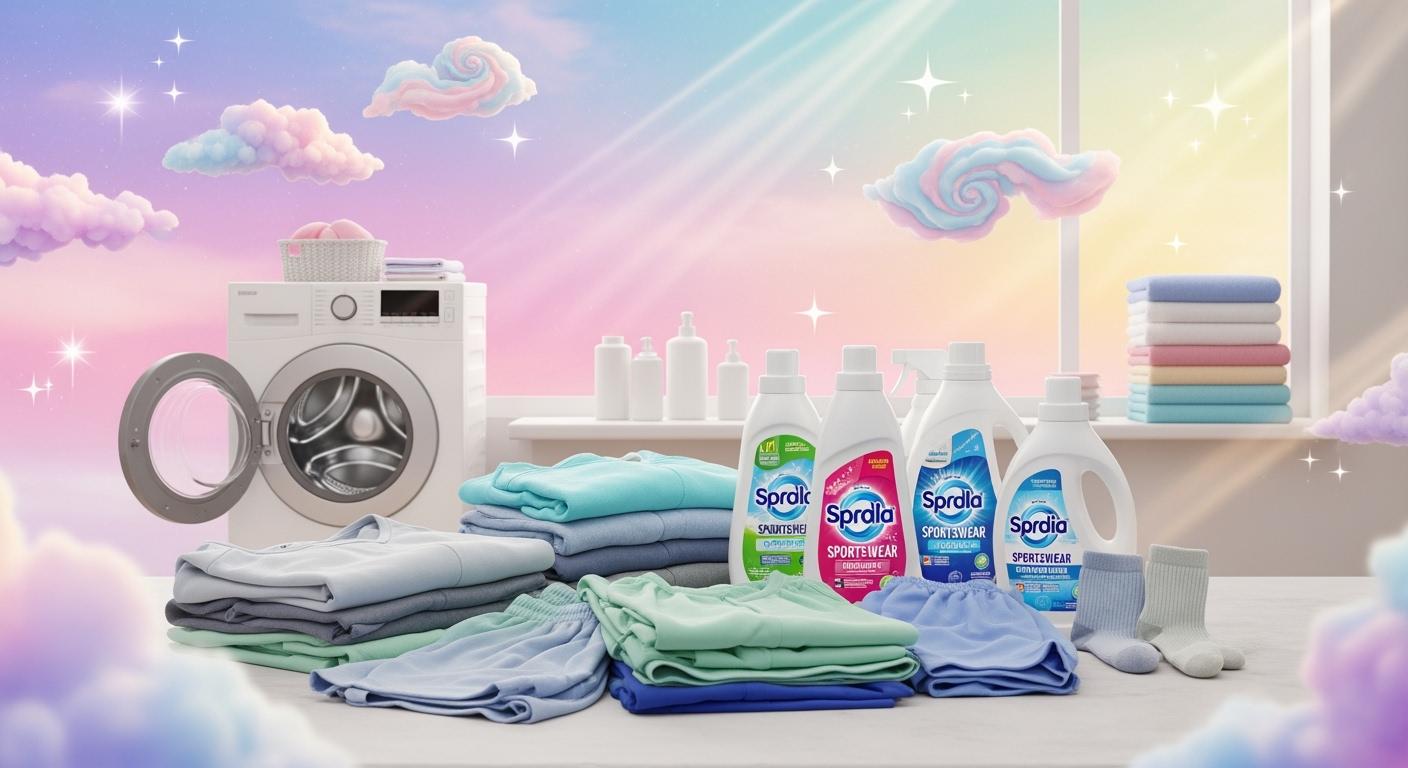
If you’re dealing with stubborn mildew, you might want to consider commercial products. Look for an anti mildew laundry detergent Singapore, which is specifically designed to combat mildew and its odors. These products often contain powerful enzymes that break down mildew stains effectively.
When choosing a product, check the label for instructions on how to use it properly. Some detergents may require you to soak the clothes for a while, while others work best in a regular wash cycle.
Washing Techniques
Now that you have your cleaning solution, let’s talk about washing techniques. Here are some tips to ensure you get the best results:
Pre-Treat Stains: Before washing, apply your chosen cleaning solution directly to the mildew stains. Let it sit for a few minutes to penetrate the fabric.
Use Hot Water: If the fabric allows, wash your clothes in hot water. Hot water helps kill mildew spores and enhances the effectiveness of your detergent.
Gentle Cycle for Delicate Fabrics: If you’re dealing with delicate fabrics, be cautious. Delicate fabrics require careful spot cleaning and appropriate drying methods to prevent damage such as shrinkage and discoloration. For small stains, use a gentle fabric cleaner for spot cleaning. For full cleaning, consider professional methods like steam cleaning or dry cleaning to avoid water damage.
Dry Thoroughly: After washing, make sure to dry your clothes completely. Mildew thrives in damp environments, so using a dryer or hanging clothes in a well-ventilated area is crucial.
By following these cleaning methods, you can effectively tackle mildew and keep your clothes looking fresh and clean.
Preventive Measures
Storage Tips
Proper storage is key to preventing mildew from ruining your clothes. Here are some effective techniques to keep your garments safe:
Use Silica Gel: Silica gel packets are fantastic for absorbing moisture. Place them in areas of your wardrobe that tend to get damp. For delicate items, tuck silica gel packets into pockets or storage boxes to shield them from moisture damage. Remember to replace or reactivate these packets regularly to keep them effective.
Choose Breathable Fabrics: When storing clothes, opt for breathable garment bags or cotton sheets instead of plastic. Plastic can trap moisture, creating a perfect environment for mildew.
Avoid Overcrowding: Don’t cram your closet full of clothes. Allowing space between garments promotes airflow, reducing humidity levels and the risk of mildew growth.
Dry Environment
Maintaining a dry environment is crucial for preventing mildew. Here are some tips to help you keep your closets and storage areas dry:
Use Moisture Absorbers: Place moisture absorbers in closets that are prone to dampness. These products can help keep humidity levels low.
Seal Vulnerable Items: Store items that are particularly susceptible to mildew in sealed containers. This extra layer of protection can make a big difference.
Check for Pests: Regularly inspect your storage areas for signs of pests. Address any issues immediately, as pests can contribute to moisture problems.
Consider a Dehumidifier: If you live in a humid climate, using a dehumidifier can significantly reduce moisture levels. This helps prevent mold and mildew growth, especially in high-humidity areas like bathrooms.
By following these storage tips and maintaining a dry environment, you can protect your clothes from mildew and keep them looking fresh. Don’t forget to use an anti mildew laundry detergent Singapore when washing your clothes to further safeguard against mildew!
To keep mildew at bay, remember these key steps: isolate affected clothes, assess the damage, and use effective cleaning methods. Prevention is crucial! Maintain a dry environment and store your clothes properly. Take action now to protect your wardrobe and enjoy fresh, mildew-free garments! 🌟
FAQ
What causes mildew on clothes?
Mildew thrives in damp, warm environments. Poor ventilation and moisture can lead to mildew growth on your clothes.
How can I prevent mildew from returning?
Store clothes in a dry, well-ventilated area. Use moisture absorbers and wash regularly with anti mildew laundry detergent.
Can I use bleach to remove mildew?
Bleach can kill mildew, but it may damage colored fabrics. Always test on a small area first before applying it to your clothes.