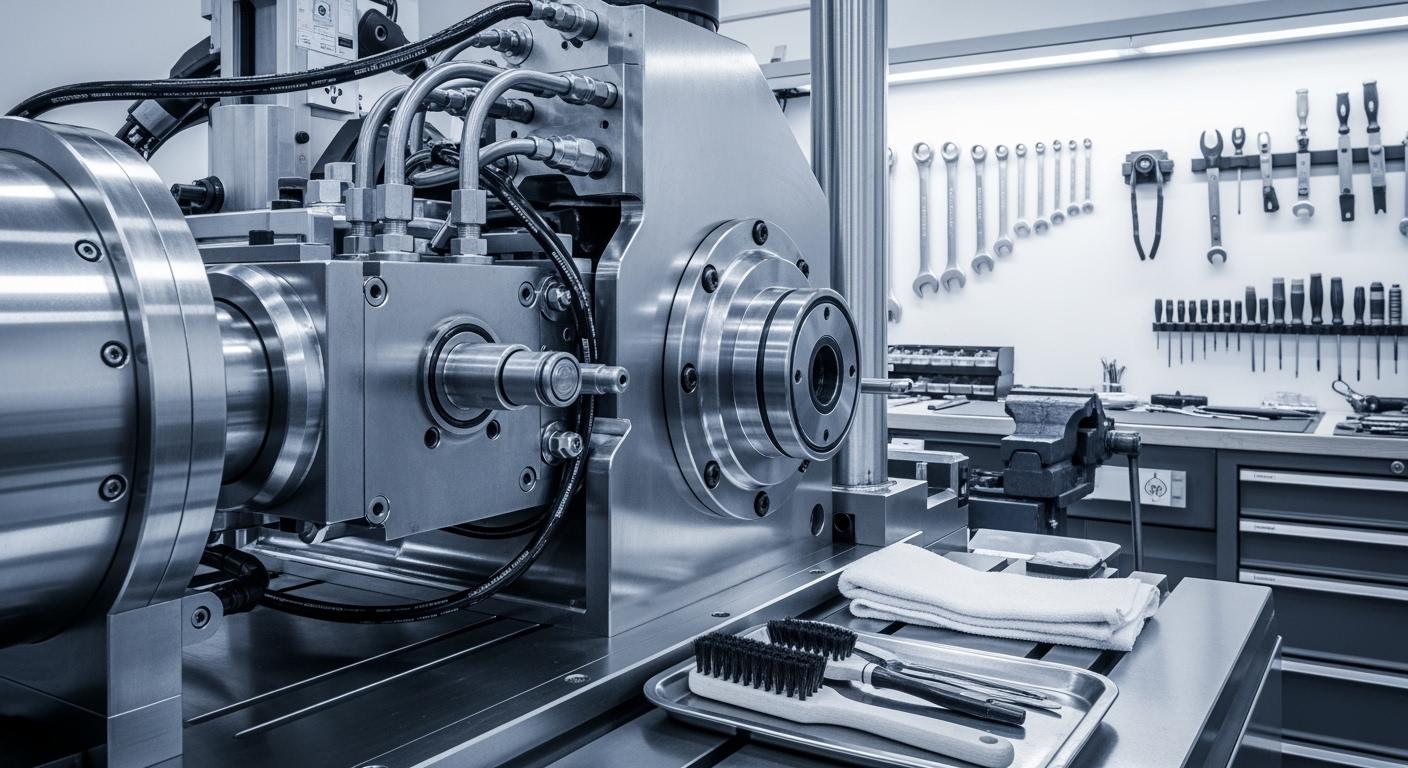
How to Optimize Water-Based Cleaners for Industrial Equipment Maintenance
Using a water-based cleaner for machinery plays a vital role in maintaining industrial equipment. Currently, at least 30% of industrial plants have adopted these cleaners. They effectively reduce environmental impact while ensuring worker safety. However, challenges like prolonged cleaning times and incomplete contaminant removal can hinder optimization.
Key Takeaways
Choose the right type of water-based cleaner for your specific application. This ensures effective cleaning and prolongs the life of your machinery.
Establish a regular cleaning schedule to prevent contaminant buildup. Cleaning every 3 to 6 months can maintain optimal performance and reliability.
Monitor the effectiveness of your cleaning processes. Regular checks for residue and material compatibility help ensure thorough cleaning and equipment longevity.
Types of Cleaners
General Purpose
General-purpose water-based cleaners are versatile and suitable for various applications. They effectively remove dirt, dust, and light oils from surfaces. These cleaners primarily consist of water and active ingredients, making them non-toxic and environmentally friendly. You can use them in workshops, manufacturing cleaning lines, and surface preparation tasks. Their effectiveness lies in their ability to tackle water-soluble soils without harsh chemicals.
Feature | Water-Based Cleaners | Solvent Cleaners |
|---|---|---|
Composition | Primarily composed of water and active ingredients | Use solvents as the main active component |
Cleaning Power | Effective for water-soluble substances and general dirt | Excels in removing tough stains, grease, and oil |
Safety | Generally safer, non-flammable, lower VOCs | Can release VOCs, may be flammable |
Heavy-Duty
Heavy-duty water-based cleaners are designed for tougher cleaning tasks. They excel in removing grease, oil, and heavy contaminants. You can find these cleaners in parts washing systems and metal degreasing applications. Their formulation allows them to penetrate and break down stubborn residues effectively.
Application Type |
|---|
Parts washing systems |
Metal degreasing |
Manufacturing cleaning lines |
Workshop maintenance |
Eco-Friendly
Eco-friendly water-based cleaners prioritize safety and environmental impact. They are biodegradable and non-toxic, ensuring effective cleaning without harmful residues. These cleaners meet strict environmental regulations, making them a responsible choice for industrial use. Innovations in formulation science have significantly improved their performance, closing the gap with conventional cleaners.
Tip: When selecting a cleaner, consider the specific application and the type of contaminants you need to address. Choosing the right cleaner ensures optimal results and prolongs the life of your machinery.
Benefits of Water-Based Cleaners
Environmental Impact
Using a water-based cleaner for machinery significantly benefits the environment. These cleaners contain fewer harmful chemicals compared to solvent-based alternatives. This reduces the risk of soil and groundwater contamination. Here are some key environmental advantages:
Water-based cleaners comply with strict regulatory protocols like Montreal and Kyoto, which restrict harmful substances.
They generally meet EPA regulations that limit exposure to toxic chemicals.
Their biodegradable nature ensures that they do not contribute to long-term environmental damage.
Evidence Description | Impact on Air and Water Quality |
|---|---|
Biodegradable alternatives to solvents | Reduces reliance on hazardous chemicals, improving air quality and minimizing water pollution |
No environmental hazards to aquatic life | Protects water quality by preventing harm to aquatic ecosystems |
Do not emit hazardous fumes | Enhances air quality by eliminating harmful emissions |
Worker Safety
Worker safety is a top priority in any industrial setting. Water-based cleaners enhance safety in several ways:
They produce lower VOC emissions, which contributes to better air quality and reduces health risks for workers.
Their reduced flammability minimizes the chances of fire hazards in the workplace.
These cleaners often feature biodegradable formulations, supporting environmental sustainability and reducing harmful waste.
Advantage | Description |
|---|---|
Lower VOC emissions | Contributes to better air quality and reduces health risks for workers. |
Reduced flammability risks | Minimizes the chances of fire hazards in the workplace. |
Safer working environments | Enhances overall safety for workers during maintenance tasks. |
Often biodegradable formulations | Supports environmental sustainability and reduces harmful waste. |
Compatible with automated wash systems | Increases efficiency and safety in cleaning processes. |
Equipment Longevity
Using a water-based cleaner for machinery can extend the life of your equipment. These cleaners help reduce wear and tear on machinery components. Here’s how:
They protect surfaces by softening paint without causing corrosion or scratches.
Water-based cleaners prevent wear and tear, thus reducing replacement costs and downtime.
Their formulations are designed with safety and sustainability in mind, ensuring that equipment remains safeguarded during the cleaning process.
Best Practices for Application
Proper Dilution
Dilution plays a crucial role in the effectiveness of water-based cleaners. Using the correct dilution ratio ensures optimal cleaning performance while minimizing waste. Here are some recommended dilution ratios for various types of water-based cleaners:
Cleaner Type | Recommended Dilution Ratio | Application Details |
|---|---|---|
Greenex® PRO-H Cleaner | General cleaning; adjust based on surface condition and stains. | |
Greenex® PRO-H Cleaner | 1:50 or higher | For heavy grease and stains, use at 50 °C or higher, then rinse off. |
Greenex® NF | 1:5 – 1:10 | General cleaning for non-ferrous metals; adjust based on surface condition. |
Always follow the manufacturer’s guidelines for dilution. This practice not only enhances cleaning efficiency but also protects your machinery from potential damage caused by overly concentrated solutions.
Application Techniques
The method you choose for applying water-based cleaners can significantly impact cleaning efficiency. Here are some effective techniques to consider:
Identify the Type of Material: Different materials require specific cleaning solutions to avoid damage while ensuring cleanliness.
Consider the Type of Contaminant: Knowing the contaminant helps you select the right solution for effective cleaning.
Match the Level of Cleaning Required: Ensure the cleaning solution aligns with the level of cleaning needed, whether light or deep cleaning.
Optimize Cycle Time: Some solutions can reduce cleaning cycle times, enhancing overall efficiency.
Ensure Rinsability: The ease of rinsing off the solution is crucial for ensuring no residue remains on cleaned surfaces.
Tip: Focus on high-touch zones during cleaning. These areas require extra attention to ensure thorough cleaning. Use non-abrasive scrubbing techniques to prevent damage while maximizing safety.
Cleaning Schedules
Establishing a regular cleaning schedule is vital for maintaining machinery. Consistent cleaning prevents the buildup of contaminants and prolongs equipment life. Here are some industry standards for cleaning schedules when using water-based cleaners:
Service Type | Recommended Interval |
|---|---|
Intermediate Service | Every 3 – 6 months (2-4,000 hours) |
Major Service | Every 12-18 months (8-12,000 hours) depending on machine type and process conditions |
Implementing a structured cleaning schedule ensures that you maintain optimal performance and reliability of your machinery. Regular training and adherence to standard operating procedures will further enhance the effectiveness of your cleaning efforts.
Monitoring Effectiveness
Monitoring the effectiveness of your cleaning processes is crucial for maintaining machinery. Regular assessments help you identify issues early and ensure optimal performance. Here are some tips to effectively monitor your water-based cleaning processes:
Check Material Compatibility: After cleaning, validate that the materials remain intact. Water-based cleaners can sometimes react with certain surfaces, leading to defects.
Inspect for Residue: Look for any residue buildup on cleaned surfaces. Residues can hinder inspection accuracy and may indicate improper rinsing.
Evaluate Rinsing and Drying: Ensure that rinsing and drying processes are thorough. Inadequate rinsing can leave harmful residues, especially in sensitive industries like food processing.
Tip: Implement a checklist for monitoring cleaning effectiveness. This can help streamline your assessment process and ensure you cover all critical areas.
Common challenges in monitoring include the complexity of rinsing and drying processes. These steps can complicate your ability to assess cleaning effectiveness. Additionally, environmental regulations may limit your choice of cleaning agents, impacting your monitoring capabilities.
Worker Safety Risks: Improper handling of industrial chemicals can increase safety risks. Ensure that your team follows safety protocols during the cleaning process.
By focusing on these aspects, you can enhance the effectiveness of your water-based cleaning processes and maintain the longevity of your machinery.
Optimizing water-based cleaners is essential for effective machinery maintenance. You benefit from selecting the right type of cleaner, following best practices, and monitoring effectiveness. These steps enhance equipment longevity, promote worker safety, and reduce environmental impact. Embrace these strategies to ensure your machinery operates at its best! 🚀
FAQ
What are the advantages of using water-based cleaners?
Water-based cleaners are safer, environmentally friendly, and effective at removing contaminants without harsh chemicals.
How often should I clean my machinery with water-based cleaners?
Establish a cleaning schedule based on usage, typically every 3 to 6 months for intermediate service.
Can I use water-based cleaners on all types of machinery?
Most machinery benefits from water-based cleaners, but always check material compatibility before use.