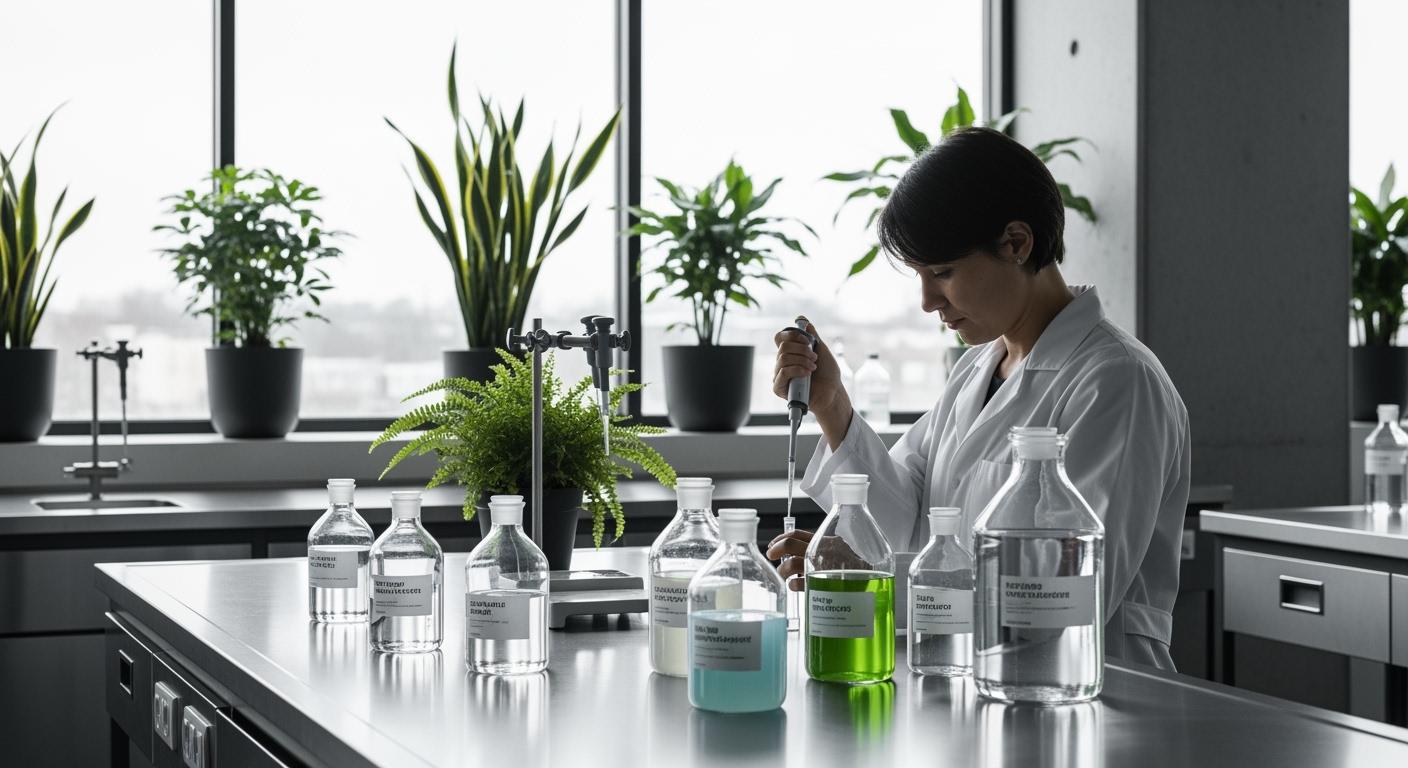
How to Identify the Right Water-Based Cleaner for Your Equipment
Choosing the right water-based cleaner for machinery maintenance is essential. A suitable water-based cleaner ensures effective cleaning and extends the lifespan of your equipment. These cleaners provide numerous benefits, including being less harmful to the environment and safer for users. You might have concerns about contamination types and whether a water-based cleaner will be effective on your equipment’s surfaces.
Key Takeaways
Identify the type of grime on your equipment. Different contaminants like organic, inorganic, and mixed grime require specific cleaning approaches.
Always test a small area before applying a cleaner. This step ensures compatibility with sensitive materials and prevents damage.
Choose water-based cleaners for a safer and more environmentally friendly option. They are effective for light soils and comply with environmental regulations.
Contamination Types
Common Contaminants
When you clean machinery, understanding the types of contaminants present is crucial. Different contaminants require specific cleaning approaches. Here are the most common types of grime you might encounter:
Type of Grime | Description |
|---|---|
Organic Grime | Derived from living material, including hydrocarbons like grease and oils. |
Inorganic Grime | Comprises dust, dirt, rust, and mineral buildup. |
Mixed Grime | A combination of organic and inorganic grime, often found together. |
Each type of grime poses unique challenges. For instance, organic grime often clings tightly to surfaces, while inorganic grime can create stubborn deposits. Recognizing these differences helps you choose the right cleaning solution.
Matching Cleaners to Contaminants
Selecting the appropriate cleaner for each type of contamination enhances your cleaning efficiency. Water-based cleaners excel in removing oil, grease, and particulate contaminants from machinery. They provide a gentle yet effective cleaning action, making them suitable for sensitive materials.
You can manipulate the pH of water-based solutions to target specific contaminants. For example, acidic solutions work well against rust, while alkaline solutions effectively tackle grease. This versatility allows you to customize your cleaning approach based on the grime type.
For biological contaminants, consider using specialized disinfectants. Here’s a table of effective options:
Disinfectant Type | Effectiveness |
|---|---|
Peracetic acid | Highly effective against biofilms and spores |
Ozone | Effective against bacteria, viruses, and endotoxins |
Chlorine Dioxide | High-efficiency disinfectant with stable performance over a broad pH range |
By matching the right cleaner to the specific type of contamination, you ensure thorough cleaning and maintain the integrity of your equipment.
Surface Materials
Types of Materials
When cleaning machinery, you encounter various surface materials. Each type reacts differently to water-based cleaners. Here are some common materials you may find:
Metals: Commonly used in machinery, metals like steel and aluminum generally handle water-based cleaners well.
Plastics: These materials require careful consideration. Some plastics can warp or discolor when exposed to certain cleaners.
Rubber: This material can degrade if exposed to harsh chemicals. Always check compatibility before use.
Coated Surfaces: Paint or protective coatings can be sensitive. Ensure the cleaner does not strip or damage these finishes.
Compatibility with Water-Based Cleaners
Different materials react differently to cleaning agents. For instance, metals often handle both cleaner types well. However, plastics, rubber, and coated surfaces require more attention. Some solvents can weaken or discolor sensitive materials.
Tip: Always test a small area before full application to confirm compatibility. This step helps prevent damage and ensures effective cleaning.
Water-based cleaners can adversely impact the corrosion resistance of metal surfaces if not managed properly. Residual water on metals like iron or steel can lead to rust formation. Thoroughly drying surfaces post-cleaning is essential. These cleaners typically require more time to eliminate contaminants compared to solvent-based options. This extended exposure heightens the risk of corrosion.
By understanding the types of materials and their compatibility with water-based cleaners, you can make informed decisions that protect your equipment and enhance cleaning effectiveness.
Choosing the Right Cleaner
Safety Considerations
When you select a water-based cleaner for machinery, safety should be your top priority. Water-based cleaners are generally safer than solvent-based options, but they still pose certain hazards. Here are some common safety concerns to keep in mind:
Water-based cleaners can take longer to remove contaminants compared to solvent-based cleaners.
They require additional steps for rinsing and drying, which can extend your cleaning process.
Residual moisture on metal surfaces can contribute to rust formation.
To mitigate these risks, always follow the manufacturer’s instructions. Ensure proper ventilation during cleaning to avoid any buildup of vapors. Using personal protective equipment, such as gloves and goggles, can further enhance your safety while handling these cleaning agents.
Environmental Impact
The environmental impact of your cleaning choices is another critical factor. Water-based cleaners offer several advantages over solvent-based cleaners. Here’s a comparison of their features:
Feature | Water-Based Cleaners | Solvent-Based Cleaners |
|---|---|---|
Environmental Impact | Lower emissions, safer for enclosed spaces | Higher emissions, requires controlled airflow |
Safety | Easier to handle, less flammable | Requires protective equipment due to fumes |
Cleaning Performance | Effective on light soils | Efficient for heavy grease and adhesives |
Regulatory Compliance | Generally more compliant with environmental regulations | May face stricter regulations due to VOCs |
Using water-based cleaners not only helps you maintain a cleaner workspace but also aligns with environmental regulations. These cleaners typically contain fewer volatile organic compounds (VOCs), making them a more sustainable choice.
When selecting a cleaner, consider the type of contamination present. For mixed contamination types, you should evaluate several factors:
Factor | Description |
|---|---|
Type Of Contamination | Identify the contaminants; oil and grease need stronger cleaners, while lighter soils suit water-based. |
Surface Material | Different materials react variably; test compatibility to avoid damage. |
Drying Time Requirements | Solvent cleaners dry quickly, while water-based require more time, affecting workflow. |
Safety And Ventilation | Safety conditions dictate cleaner choice; solvents need controlled airflow and protective gear. |
By understanding these factors, you can choose the right cleaner that balances safety, effectiveness, and environmental responsibility.
Using water-based detergents can lead to long-term maintenance benefits. For example, the Torrent 500 system effectively removes fluorine oil and residues, preventing bearing damage and reducing the need for rework. Implementing this system can lead to safer cleaning processes and improved efficiency by removing oil residue from complex components.
Selecting the right water-based cleaner requires careful consideration. Focus on the type of contamination, surface materials, and safety. Here are key takeaways:
Type of Grime Addressed | Safety Considerations | |
|---|---|---|
Industrial Solvents | Organic grime | Harmful to the environment, toxic fumes, flammable |
Detergents | General grime | Non-flammable, biodegradable, but less effective on heavy grime |
Acid and Alkali Cleaners | All types of grime | Aggressive, can damage surfaces, burn risks to workers |
Citrus-based Cleaners | Organic, inorganic, mixed grime | Safe for employees, eco-friendly, non-toxic |
By following these guidelines, you can ensure effective cleaning and maintain your equipment’s longevity.
FAQ
What are the benefits of using water-based cleaners for machinery?
Water-based cleaners are safer for users and the environment. They effectively remove contaminants without harsh chemicals.
How do I determine the right cleaner for my machinery?
Identify the type of contamination and surface material. Match the cleaner’s properties to these factors for optimal results.
Can I use water-based cleaners on all types of machinery?
Most machinery can handle water-based cleaners. Always test a small area first to ensure compatibility with sensitive surfaces.