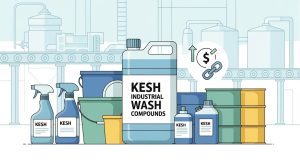

Sourcing wholesale laundry detergent is crucial for your business success. Buying in bulk can lead to significant cost savings and improved profit margins. Consider factors like supplier reliability, product quality, and environmental impact. Many commercial users, such as hotels and hospitals, drive the demand for bulk liquid laundry detergent, making it essential to find the right suppliers.
Key Takeaways
Sourcing wholesale laundry detergent can save your business money and improve profit margins. Buying in bulk reduces costs per load.
Choose reliable suppliers by evaluating their product quality, certifications, and ability to meet your business needs. Strong relationships with suppliers ensure consistent product availability.
Understand consumer preferences by conducting surveys and analyzing market trends. This knowledge helps you align your product offerings with what customers want.
Finding Suppliers
Bulk Liquid Laundry Detergent Options
Finding reliable suppliers for wholesale laundry detergent is essential for your business. You want to ensure that you source high-quality products that meet your customers’ needs. Here are some common types of bulk liquid laundry detergents available for wholesale purchase:
Liquid detergents
Powdered detergents
Scented detergents
Unscented detergents
Popular brands you might consider include:
Tide
Downy
Seventh Generation
Boardwalk
TMA Chemnet
When selecting a detergent, look for special features that can enhance your offerings. Consider options with stain fighters, natural ingredients, eco-friendly formulations, or unscented varieties for allergy sensitivities. These features can help you cater to diverse customer preferences and stand out in a competitive market.
Wholesale Marketplaces
Wholesale marketplaces provide a convenient way to source bulk liquid laundry detergent. These platforms connect you directly with manufacturers and distributors, simplifying the purchasing process. Some leading wholesale marketplaces include:
Brisa by General Organics, Inc.: This company specializes in 5-gallon buckets of laundry detergent, ideal for wholesale and flea markets. Each bucket can wash up to 640 loads.
USA Pallet Liquidators: They offer premium detergent pallets, including both liquid and powder options, suitable for various bulk buyers.
Partnering directly with manufacturers has several advantages. You can achieve cost savings through bulk buying, ensuring consistent product availability. This approach also allows for quality assurance, as you source products from reputable manufacturers. Additionally, you can explore customized solutions, such as private labeling, to differentiate your brand in the market.
When evaluating potential suppliers, consider the following criteria to ensure reliability:
Criteria | Description |
|---|---|
Product portfolio depth | Range of products including powders, liquids, gels, and specialty detergents. |
OEM/ODM capabilities | Ability to develop custom formulas and provide flexible packaging options. |
Quality systems and compliance | Certifications like ISO9001 and adherence to various standards, along with performance testing. |
Supply chain and logistics | Sufficient production scale and export experience to support business growth. |
Sustainability and innovation | Use of eco-friendly ingredients and active research in new product development. |
Building long-term relationships with your suppliers is crucial. Frequent communication and transparent transactions help build trust. Visiting suppliers in person fosters rapport and allows for firsthand assessment of operations. Providing regular updates and feedback shows appreciation for their efforts. Setting clear expectations regarding quality and delivery minimizes misunderstandings.
However, be cautious of the risks associated with sourcing from unreliable suppliers. For example, a distributor switched to a cheaper supplier to cut costs. Initially, everything seemed fine, but complaints arose about inconsistent fragrance and performance. Ultimately, the company spent more on replacements and rebuilding trust than it saved.
By carefully selecting your suppliers and maintaining strong relationships, you can ensure a steady supply of high-quality wholesale laundry detergent for your business.
Understanding Market Demand
Consumer Preferences
To effectively source wholesale laundry detergent, you must understand consumer preferences. Researching these preferences helps you align your product offerings with market demands. Here are some effective methods to gather insights:
Conduct surveys to gather direct feedback from potential customers.
Analyze comparative studies to identify key attributes that drive brand choice.
Investigate unmet needs and trial triggers for unfamiliar brands. Social proof and direct product experiences often influence consumer decisions.
Key attributes that consumers prioritize include:
Stain removal effectiveness
Scent options
Brand loyalty
You can also explore popular features of laundry detergents preferred by commercial consumers. The table below highlights some of the most sought-after products and their features:
Detergent Name | Features |
|---|---|
Tide Original Liquid Laundry Detergent | Powerful stain removal, HE compatible |
Persil ProClean Liquid Laundry Detergent | Deep cleaning, advanced stain-fighting |
Arm & Hammer Clean Burst | Baking soda-based, odor neutralizer |
Seventh Generation Free & Clear | Eco-friendly, hypoallergenic |
OxiClean MaxForce | Enzyme-powered, brightening agents |
Mrs. Meyer’s Clean Day | Plant-derived ingredients, essential oils |
Tide Pods | Convenient pods, all-in-one formula |
Ecover Zero | Eco-friendly, fragrance-free |
Gain Flings! | Easy-to-use pods, long-lasting scent |
Charlie’s Soap | Natural ingredients, biodegradable |
Purex Liquid Laundry Detergent | Affordable, various scents |
Arm & Hammer Sensitive Skin Free & Clear | Hypoallergenic, baking soda formula |
Downy Nature Blends | Plant-based ingredients, softening |
Suavitel Fabric Conditioner | Popular Latino brand, softening and fragrance |
Foca Laundry Detergent | Concentrated powder, cost-effective |
Competitor Analysis
Analyzing competitor offerings is crucial for positioning your business effectively in the market. Understanding what your competitors provide allows you to identify gaps and opportunities. Here are some methods to analyze competitor offerings:
Method | Description |
|---|---|
Primary Research | Interview industry experts and key players to gather insights on market developments. |
Secondary Research | Utilize financial reports, company publications, and statistical databases to understand strategies. |
Market Estimation | Combine data from various sources using bottom-up and top-down approaches to size the market. |
Market Forecasting | Employ regression analysis and arithmetic models for accurate market projections. |
Data Validation | Verify figures through expert panels and focus groups to ensure accuracy. |
By employing these methods, you can track trends and forecast demand effectively. Continuous tracking captures market inflection points and seasonal patterns. You can utilize quarterly updates and real-time dashboards to monitor trends in technology, pricing, and demand. Key activities include brand tracking, customer sentiment analysis, and detecting industry disruptions.
Understanding market demand for eco-friendly laundry detergent is also essential. The growing consumer awareness and innovation drive this demand. Manufacturers focus on sustainable formulations to meet environmental standards. Biodegradable and plant-based products are becoming mainstream due to the shift towards green living practices. This trend reflects a growing recognition of sustainability’s importance in laundry operations.
By comprehensively understanding consumer preferences and analyzing competitor offerings, you can make informed decisions when sourcing wholesale laundry detergent for your business.
Purchasing Process
Evaluating Pricing
When you evaluate pricing for buying wholesale laundry detergent for resale, follow these steps:
Find a wholesaler: Identify potential wholesalers through local commerce centers, online wholesaler sites, or B2B marketplaces.
Contact the wholesaler: Reach out to the wholesaler directly or through a B2B marketplace to introduce your business.
Provide business licenses: You may need to provide proof of your business legitimacy, such as business licenses or permits.
Sign an agreement: Review and sign an agreement with the wholesaler, ensuring you understand the terms.
Place an order: Follow the wholesaler’s instructions to place your order, keeping in mind the minimum order quantity.
Determine pricing: Evaluate pricing strategies and understand any pricing guidelines in your agreement.
Place additional orders: As demand increases, repeat the ordering process to maintain inventory.
Align your pricing with your business goals. Analyze your cost structure and desired profit margin to determine the best wholesale rate. Understanding customer preferences and researching competitors’ pricing strategies will help you choose the right approach.
Managing Inventory
Managing inventory for bulk purchases of laundry detergent involves addressing several logistics challenges. Here are some common challenges you may face:
Challenge Type | Description |
|---|---|
Hazardous Materials Handling | Safe storage, handling, and shipping of hazardous materials in compliance with safety regulations. |
Diverse SKU Management | Managing a wide range of product categories and ensuring accurate handling across SKUs. |
Bulky and Fragile Items | Specialized equipment and techniques are needed to handle and transport large, fragile items. |
Effective inventory management strategies can enhance your operations. Consider these approaches:
Strategy | Description |
|---|---|
Bulk Purchasing | Buying industrial detergent in larger quantities (e.g., 25kg bags) reduces cost per load. |
Cash Flow Management | Analyzing revenue reports helps identify optimal times for bulk purchases, potentially saving costs. |
Digital Tools | Utilizing technology for tracking inventory and setting alerts can streamline management processes. |
By implementing these strategies, you can ensure a smooth purchasing process and maintain adequate stock levels for your business.
Sourcing wholesale laundry detergent effectively requires strategic planning. Focus on cost efficiency, space optimization, and supply chain reliability. Consider transitioning to high-volume units to reduce logistical downtime.
Take actionable steps like evaluating cost-per-load benefits and optimizing procurement through wholesale channels. By implementing these strategies, you can enhance your business operations and meet customer demands.
Key Takeaway | Description |
|---|---|
Cost Efficiency | Bulk purchasing reduces total procurement costs by identifying cost-per-ounce advantages. |
Supply Chain Reliability | Sourcing from authorized distributors ensures consistent availability and prevents stockouts. |
By prioritizing thorough research and building strong relationships with suppliers, you position your business for success in the competitive laundry detergent market.
FAQ
What types of laundry detergent are available for wholesale?
You can find liquid, powdered, scented, and unscented laundry detergent options for wholesale purchase.
How can I ensure the quality of the detergent I source?
Research suppliers, check certifications, and request samples to evaluate the quality of their laundry detergent.
What factors should I consider when pricing my detergent?
Consider your cost structure, competitor pricing, and desired profit margins when setting prices for your laundry detergent.