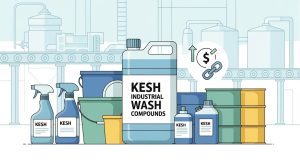

When you use concentrated industrial cleaners, safety must come first. These powerful substances can pose serious risks if mishandled. Always wear appropriate personal protective equipment and follow established safety protocols. Prioritize training to ensure you understand the proper techniques for handling these cleaners.
Key Takeaways
Always wear personal protective equipment (PPE) like gloves, goggles, and respirators when handling concentrated industrial cleaners to protect yourself from harmful chemicals.
Follow the manufacturer’s instructions for dilution and handling to prevent accidents. Always add cleaner to water, not the other way around.
Regularly inspect and maintain your PPE and safety equipment to ensure they are in good condition and effective for use.
Types of Concentrated Industrial Cleaners
Common Categories
You will find various types of concentrated industrial cleaners, each designed for specific applications. Here are some common categories:
Description and Applications | |
|---|---|
Acid Cleaners | Effective for removing mineral deposits, rust, and inorganic materials; used in water treatment and food industries. |
Alkaline Cleaners | Break down oils and fats; commonly used in food, beverage, and automotive industries for cleaning greasy equipment. |
Solvent Cleaners | Dissolve grease and adhesives; used in printing, electronics, and metalworking for cleaning stubborn residues. |
Enzymatic Cleaners | Utilize natural enzymes for organic matter; preferred in hospitals and food processing for eco-friendly cleaning. |
Specific Uses and Risks
Each type of cleaner comes with its own set of risks. For instance, acidic cleaners can cause metal corrosion and generate challenging wastewater treatment issues. Alkaline cleaners may lead to skin irritation and severe eye damage. Understanding these hazards is crucial for your safety.
General Description | |
|---|---|
Acute toxicity | Products that are fatal, toxic, or harmful if inhaled, following skin contact, or if swallowed. |
Skin corrosion / irritation | Products that cause severe skin burns or irritation. |
Serious eye damage / eye irritation | Products that cause serious eye damage or reversible eye irritation. |
Always read the label and follow the instructions carefully. This practice helps you avoid accidents and ensures effective cleaning.
Safe Usage Practices
Personal Protective Equipment
When handling concentrated industrial cleaners, wearing the right personal protective equipment (PPE) is essential. PPE protects you from potential hazards associated with these powerful chemicals. Here are the recommended items you should use:
Respirators: These protect your lungs from harmful vapors and dust.
Goggles: Eye protection is crucial to prevent chemical splashes from causing serious eye damage.
Gloves: Use chemical-resistant gloves to shield your skin from irritation and burns.
Always ensure that your PPE fits properly and is in good condition. Regularly inspect your equipment for any signs of wear or damage.
Training and Education
Training and education play a vital role in ensuring safety when using industrial cleaners. Comprehensive training equips you with knowledge about cleaning techniques and safety procedures. Ongoing education keeps you updated on new technologies and safety practices, which is essential for compliance.
Key Aspect | Description |
|---|---|
Comprehensive training ensures staff are knowledgeable about cleaning techniques and safety procedures. | |
Ongoing Education | Continuous education keeps staff updated on new technologies and safety practices, essential for compliance. |
To reduce risks when using concentrated industrial cleaners, consider implementing the following strategies:
Periodically evaluate potential risks in your operations. Develop a plan to analyze and classify these risks.
Implement an effective risk prevention system. This includes monitoring product quality, regular equipment maintenance, and employee safety training.
Diversify your supply chain to mitigate the impact of disruptions.
Develop strategies to comply with environmental laws and minimize operational impact.
Seek sustainable materials and green technology for your processes.
Create crisis response strategies for emergencies.
Build collaborative relationships with stakeholders to enhance sustainability efforts.
Foster a culture of safety within your organization, encouraging all employees to contribute to improving safety performance.
By prioritizing PPE and ongoing training, you can significantly reduce the risks associated with handling concentrated industrial cleaners. Always refer to the safety data sheet for specific instructions related to the chemicals you are using.
Handling and Storage of Industrial Cleaners
Safe Handling Techniques
When you handle concentrated industrial cleaners, following safe techniques is crucial. Here are some best practices to ensure your safety:
Consult a Chemical Expert: Always seek advice from a chemical expert to select the right cleaning agent for your specific needs.
Diluting Cleaners: If dilution is necessary, follow the manufacturer’s instructions carefully. Use clean, dry containers to mix the concentrated product with water. Always add the cleaner to water, not the other way around. This method helps prevent splashes and reduces the risk of chemical reactions.
Use Safety Equipment: Keep safety equipment like gloves and goggles up to date and easily accessible. This equipment protects you from potential hazards during cleaning.
Follow Instructions: Adhere to all instructions on product labels and manuals regarding storage, handling, and disposal. These guidelines are designed to keep you safe.
Tip: Regularly review your handling procedures and update them as needed. This practice helps maintain a safe working environment.
Storage and Labeling
Proper storage and labeling of concentrated industrial cleaners are vital for workplace safety. Here are some guidelines to follow:
Store in a Cool, Dry Place: Keep cleaners in a well-ventilated area away from direct sunlight and extreme temperatures. This helps maintain the integrity of the chemicals.
Use Appropriate Containers: Ensure that you store cleaners in containers made of materials compatible with the chemicals. Choosing the wrong tank can lead to leaks or spills.
Label Clearly: Accurate labeling of industrial cleaners helps reduce chemical exposure. Clear labels inform employees about the contents and associated hazards. This practice enhances overall workplace safety.
Avoid Mixing Chemicals: Never store different types of cleaners together unless specified by the manufacturer. Mixing can lead to dangerous reactions.
Note: Employees face fewer risks of exposure to harmful chemicals when you implement proper labeling and storage practices.
By following these handling and storage techniques, you can significantly reduce the risks associated with concentrated industrial cleaners. Always prioritize safety to protect your health and the health of your coworkers.
Handling concentrated industrial cleaners safely is crucial for your health and workplace safety. Always follow these key practices:
Description | |
|---|---|
Proper Dilution | Always add water to the container before adding the cleaning agent to prevent splashing. |
Personal Protective Equipment (PPE) | Ensure suitable PPE is worn when handling cleaning agents to avoid injury. |
By adhering to safety protocols, you can significantly reduce risks and enhance overall workplace safety. Remember, proper handling not only protects you but also contributes to a safer work environment for everyone.
FAQ
What should I do if I accidentally spill a concentrated cleaner?
Immediately contain the spill using absorbent materials. Follow the manufacturer’s instructions for cleanup and notify your supervisor.
How often should I replace my personal protective equipment (PPE)?
Inspect your PPE regularly. Replace it if you notice any signs of wear, damage, or after a specific usage period as recommended by the manufacturer.
Can I mix different types of industrial cleaners?
No, never mix different cleaners unless specified by the manufacturer. Mixing can cause dangerous chemical reactions and increase risks.