In 2026, demand for efficient, environmentally friendly industrial cleaning solutions grows. High-conductivity electrolytic degreasers lead this trend. They offer superior performance in critical surface preparation and electroplating prep operations. This review guides you through leading products, their innovations, and how to choose the best one for your specific needs.
Key Takeaways
High-conductivity degreasers clean metal parts faster while saving electricity and reducing chemical waste.
Select specific degreaser formulas based on your metal type, production volume, and dirt level.
Eco-friendly degreasers lower long-term costs through extended bath life and reduced chemical disposal expenses.
Understanding High-Conductivity Electrolytic Degreasers
Why Conductivity Matters in Degreasing
Electrolytic degreasers are specialized cleaning solutions. They use an electric current to remove contaminants from metal surfaces. You immerse a part in the solution, then apply an electric charge. This process creates gas bubbles that lift away oils, greases, and other residues.
High conductivity in these solutions is crucial. It allows the electric current to flow more efficiently through the bath. This means you achieve faster cleaning times. You also use less energy for each cleaning cycle. Furthermore, high conductivity often reduces the amount of chemical needed, saving you money and resources.
Benefits and Key Applications
High-conductivity electrolytic degreasers offer significant advantages. They prepare surfaces thoroughly for subsequent processes like electroplating or painting. This ensures strong adhesion and a high-quality finish. You will find these degreasers in many industries.
Automotive manufacturing uses them for engine components and body parts. The aerospace industry relies on them for critical aircraft components, where surface integrity is paramount. In electronics, these degreasers clean circuit boards and connectors. For electronic components, you need solutions with high dielectric strength and exceptional chemical purity. This prevents damage to sensitive parts. General manufacturing also benefits, using these degreasers for a wide range of metal parts before assembly or finishing.
2026 Selection Criteria for Top Degreasers
Performance and Material Compatibility
You must carefully evaluate a degreaser’s performance and its compatibility with your materials. First, assess the conductivity rating and its stability. A consistently high conductivity ensures uniform cleaning across all parts, leading to better surface preparation. This stability also means you can rely on the degreaser for consistent results over time, reducing variability in your processes.
Next, consider the cleaning efficiency and speed. You want a degreaser that quickly and effectively removes various contaminants, including oils, greases, and particulate matter. Faster cleaning cycles directly translate to increased throughput and operational efficiency for your facility. This speed is crucial for maintaining production schedules.
Finally, always check the material compatibility. You must ensure the degreaser will not corrode or degrade the specific metals and plastics you are cleaning. Some formulations are optimized for ferrous metals, while others suit non-ferrous alloys or sensitive electronic components. Choosing the wrong degreaser can lead to costly material damage.
Sustainability and Cost
When selecting a degreaser, you should also weigh its sustainability and overall cost. Consider the environmental impact of the product. Look for formulations with low Volatile Organic Compounds (VOCs) and high biodegradability. These features help you meet increasingly stringent environmental regulations and demonstrate your commitment to sustainable manufacturing practices.
Beyond the initial purchase price, you must calculate the total cost-effectiveness. This includes operational costs such as energy consumption, water usage, and the frequency of chemical replenishment. A degreaser with a longer bath life, for example, reduces both chemical waste and purchasing frequency, saving you money in the long run.
Technological innovations also play a significant role in both sustainability and cost. Degreasers with low-foaming properties improve process control and reduce the need for anti-foaming agents. Solutions offering extended bath life minimize downtime for bath changes and reduce chemical disposal costs. These advancements make high-conductivity electrolytic degreasers more economical and environmentally friendly.
Top High-Conductivity Electrolytic Degreasers of 2026: Detailed Reviews
In 2026, the market offers several standout high-conductivity electrolytic degreasers. These products address diverse industrial needs, from heavy-duty cleaning to delicate electronic component preparation. You will find solutions that push the boundaries of efficiency and environmental responsibility. Here, we review some of the leading options available to you.
Heavy-Duty Alkaline Formulations
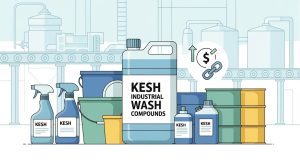
You often need powerful cleaning for robust industrial applications. Heavy-duty alkaline formulations excel in these environments. Consider ChemClean 5000, an advanced alkaline degreaser. It features a potent blend of surfactants and builders, combined with specialized corrosion inhibitors. This formulation ensures aggressive removal of oils, greases, and stubborn soils without damaging the underlying metal. Its performance metrics show exceptional cleaning efficiency, often reducing cycle times by 15% compared to older formulations. You will find it ideal for critical surface preparation in automotive manufacturing, general metal fabrication, and pre-plating operations.
The pros of ChemClean 5000 include its superior cleaning power and its ability to handle heavily soiled parts. It prepares surfaces thoroughly for subsequent processes. However, you must handle it with care due to its strong alkaline nature. It may also require specific waste treatment protocols. You should always test material compatibility before full-scale implementation, especially with sensitive alloys.
Specialized Electronic Degreasers
For delicate electronic components, you need a different approach. Specialized electronic degreasers prioritize purity and dielectric strength. Take ElectroPure HD-20, a high dielectric strength solution. Its key features include ultra-high chemical purity and a formulation designed to leave virtually no residue. This product boasts a dielectric strength exceeding 25 kV, preventing electrical shorts and ensuring the integrity of sensitive circuits. It performs exceptionally well in removing light oils, flux residues, and particulate matter from intricate electronic assemblies.
You will find ElectroPure HD-20 ideal for cleaning printed circuit boards, connectors, sensors, and other electrical components. Its primary advantage lies in its safety for sensitive electronics. It ensures component longevity and reliable performance. The cons include a higher initial cost compared to general-purpose degreasers. It is also less effective on heavy industrial greases. You must adhere to strict handling and disposal guidelines to maintain its purity and prevent contamination. This product represents a significant advancement in ensuring the cleanliness and functionality of modern electronic devices.
Choosing the Right Degreaser
You must make an informed decision when selecting the ideal high-conductivity electrolytic degreaser for your operations. This choice directly impacts your efficiency, cost, and environmental footprint. You need to consider various factors to ensure the degreaser aligns perfectly with your specific industrial requirements.
Comparison and Selection Factors
You can compare leading products by considering their key attributes. Here is a general comparison to help you evaluate your options:
Feature | ChemClean 5000 (Heavy-Duty Alkaline) | ElectroPure HD-20 (Specialized Electronic) |
|---|---|---|
Conductivity | Very High | High |
Cost | Moderate initial, moderate operational | Higher initial, moderate operational |
Applications | Automotive, general manufacturing, pre-plating | Electronics, circuit boards, sensors |
Safety | Requires careful handling (alkaline) | Safe for sensitive electronics |
When you select a degreaser, you must first consider the material you are cleaning. Some degreasers work best with ferrous metals, while others suit non-ferrous alloys like aluminum or brass. For sensitive components, such as those in electronics, you need formulations that offer high dielectric strength and chemical purity. This prevents damage and ensures component integrity.
Next, you should identify the contaminant type. Heavy greases and stubborn oils require robust alkaline formulations. Lighter oils, flux residues, or particulate matter on delicate parts might benefit more from specialized, gentler solutions. Matching the degreaser to the soil type ensures effective cleaning without excessive chemical use.
Your volume of production also plays a crucial role. High-volume operations benefit from degreasers with extended bath life and fast cleaning cycles. This minimizes downtime and maximizes throughput. Smaller operations might prioritize ease of use and lower initial investment.
Finally, you must evaluate your budget. This includes not only the initial purchase price but also operational costs. Consider energy consumption, water usage, and disposal expenses. A degreaser with a longer lifespan or lower replenishment rate can offer significant long-term savings, even if its initial cost is higher.
Future Degreaser Trends
The future of electrolytic degreasing promises even greater efficiency and sustainability. You will see continued innovation in several key areas. Manufacturers are developing formulations with enhanced biodegradability and lower Volatile Organic Compound (VOC) emissions. This helps you meet stricter environmental regulations and reduces your ecological impact.
You can also expect advancements in energy efficiency. New degreaser technologies will aim to reduce the power required for effective cleaning. This lowers operational costs and contributes to a greener manufacturing process. Smart monitoring systems, often integrated with IoT technology, will become more common. These systems will provide real-time data on bath conductivity, contamination levels, and chemical concentration. This allows for precise control and optimization of the degreasing process.
Furthermore, you will see a rise in closed-loop systems for chemical recycling. These systems recover and reuse degreasing solutions, significantly reducing waste and chemical consumption. Nanotechnology may also play a role, offering improved cleaning power at lower concentrations. These trends will lead to more sustainable, cost-effective, and highly efficient degreasing solutions for your future industrial needs.
Selecting the right high-conductivity electrolytic degreaser is crucial for your industrial needs. The products reviewed represent 2026’s cutting edge, offering diverse, efficient solutions. These range from heavy-duty alkaline formulations to specialized options for electronics. You must consider long-term benefits and operational efficiencies. This ensures you meet your performance and sustainability goals.
FAQ
What defines a high-conductivity electrolytic degreaser?
High conductivity allows electric current to flow efficiently. This means faster cleaning, lower energy use, and reduced chemical consumption for you.
Can I use any electrolytic degreaser for electronic components?
No. You need specialized degreasers with high dielectric strength and chemical purity. These prevent damage to sensitive electronics.
How do I choose between an alkaline and a specialized degreaser?
You choose based on your material and contaminant type. Alkaline degreasers handle heavy grease. Specialized ones suit delicate parts and light soils.