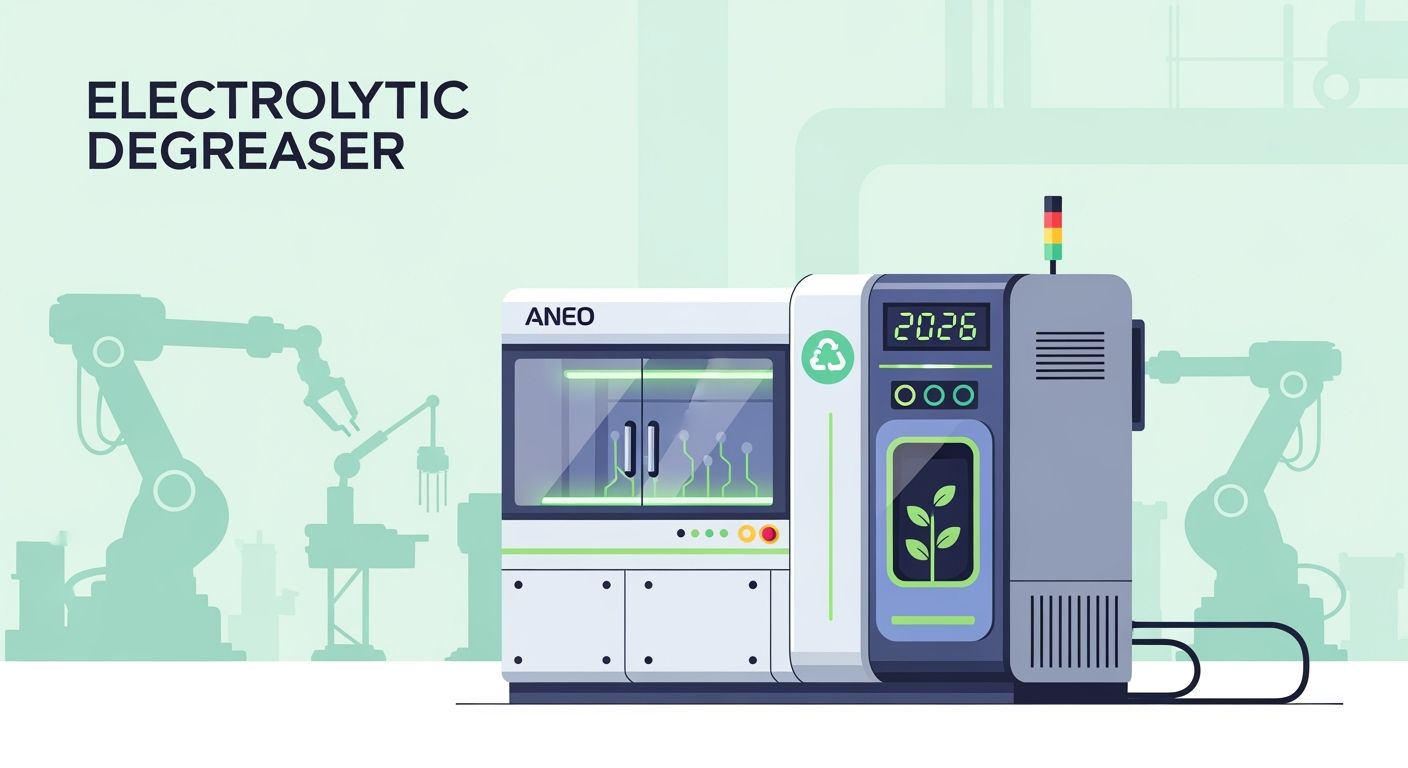
Are energy-saving electrolytic degreasers really better at saving energy and working well than old ways? Yes, they use much less energy, work better, and are kinder to the environment than old methods. This makes energy-saving electrolytic degreasers the best option for today’s factories and businesses. This talk shows how they are clearly better than older ways of doing things.
Key Takeaways
Electrolytic degreasers use less heat, which helps factories save money on energy.
Small electric bubbles clean complicated metal parts fast and well.
Newer degreasing systems make less harmful waste to keep our environment safe.
Traditional Degreasing: The Energy Drain
Old ways of cleaning parts often use a lot of energy. These older methods need a lot of heat or always run extra machines. This constant need for energy makes factories pay more and harms the environment more.
Solvent Degreasing: High Energy Use
Cleaning with solvents uses a lot of energy. Many industrial solvents need to get very hot to clean off dirt well. Heating these large amounts of solvent until they boil or turn into gas uses a lot of energy all the time. This energy use stays the same during cleaning, as the system keeps the right temperature for the best cleaning.
Also, dealing with the evaporated solvents uses even more energy. Solvent fumes are often dangerous. So, strong air systems are needed to keep workers safe and follow environmental rules. These powerful fans run all the time, using a lot of electricity. Some systems also have units that collect and reuse the solvents. These units use energy for cooling and separating, which adds to the total energy used by solvent cleaning.
Alkaline Degreasing: Constant Heat
Alkaline cleaning baths also use a lot of energy in old industrial cleaning. These cleaning liquids usually work at high temperatures, often from 150°F to 200°F (65°C to 93°C). Keeping these high temperatures needs a steady and large supply of energy. Factory heaters, whether electric or steam, constantly work to stop heat from escaping the bath. This makes sure the liquid stays at its best temperature for good cleaning.
Parts staying in these hot baths for a long time also makes them use more energy. Parts often sit in these hot baths for many hours. This long time means the energy needed to keep the bath hot is used for a longer period. Heating continuously over these long cycles uses a lot of energy for factories.
Energy-Saving Electrolytic Degreasers: Better Cleaning
Energy-saving electrolytic degreasers are a new way to clean things in factories. They clean very well but use much less energy than older ways. This method uses electricity and chemicals to clean parts. It doesn’t need a lot of heat or long cleaning times.
Electrolytic Process: Bubbles Do the Work
The electrolytic process uses electricity to clean metal. Parts go into a special liquid. Electricity then flows through this liquid. This makes water molecules break apart. This creates tiny bubbles of hydrogen and oxygen right on the part. These bubbles act like tiny scrubbers. They lift off dirt, oil, and grease. The bubbles form everywhere, even in tricky spots. This scrubbing cleans the parts very well. This process works well at lower temperatures. Many systems work fine at just 60°F. This is much cooler than the hot baths old methods use.
Less Energy Used
Energy-saving electrolytic degreasers use less energy for a few reasons. They don’t need to be super hot, so they save a lot on heating. Factories don’t have to keep baths at 150°F or more. This saves a lot of power. The electricity itself does most of the cleaning. It doesn’t just rely on heat. This means the electricity helps clean directly, using energy wisely. Also, electrolytic cleaning often takes less time. The bubbles clean dirt fast. This means parts spend less time in the cleaning liquid. Shorter cleaning times mean less energy used for each part.
These systems clean much better. They can clean tricky shapes that old methods might miss. The constant scrubbing removes tough dirt more completely. This includes sticky oils and tiny bits of stuff. Energy-saving electrolytic degreasers also get surfaces ready for other steps. For example, they make sure a surface is perfectly clean before acid treatment. This helps things stick better and look nicer. Their exact and strong cleaning makes these degreasers a top choice for tough factory jobs.
Old Ways vs. New Ways: A Direct Look
When we compare old ways of cleaning with new energy-saving electrolytic degreasers, we see clear differences. These differences are in how well they work, how much they cost, and how they affect the environment. Businesses that want to do better and be greener often find that electrolytic systems have big benefits.
Energy and Running Costs
Old cleaning methods, like using solvents or alkaline baths, cost a lot for energy. Cleaning with solvents needs constant energy to heat them and to run fans that remove bad fumes. Alkaline cleaning needs steady energy to keep the baths hot, often between 150°F and 200°F, for a long time. But energy-saving electrolytic degreasers work at much cooler temperatures, sometimes as low as 60°F. This greatly cuts down on heating energy. The electric current does most of the cleaning, which uses energy more directly and efficiently. This means big energy savings, often making electricity bills much lower for the cleaning process.
Besides energy, running costs also favor electrolytic systems. Old methods often cost more for chemicals because baths need to be refilled often, and special solvents are needed. Getting rid of waste also costs more for old methods because they make more dangerous waste and more dirty water. Electrolytic cleaning baths usually last longer. This means less chemicals are used and less waste is made. Electrolytic systems are also simpler to take care of. And because they clean faster, they can save money on labor for each part. All in all, electrolytic methods often lead to lower total running costs for many factory jobs.
Effect on Environment and How Well They Work
Energy-saving electrolytic degreasers are much better for the environment. Old solvent cleaning lets out bad gases into the air, which causes air pollution. It also makes dangerous solvent waste that costs a lot to get rid of. Alkaline cleaning doesn’t make bad gases, but it often creates a lot of dirty water with high pH levels and bad stuff in it, which needs a lot of cleaning. But electrolytic cleaning doesn’t let out any bad gases. It makes less dangerous waste and much less dirty water. The cooler temperatures also mean less carbon pollution because less energy is used.
When it comes to how well they work, electrolytic systems clean better, faster, and more evenly. The electric process makes tiny scrubbing bubbles. These bubbles get into tricky shapes and hidden spots. They thoroughly remove tough dirt that old methods might miss. This tiny scrubbing makes sure parts are cleaned more evenly and completely. Electrolytic cleaning often takes much less time than old soaking methods, which means more parts can be cleaned. The steady and strong cleaning action gets parts very ready for the next steps, like plating or painting. This makes things stick better and look nicer. This better performance makes energy-saving electrolytic degreasers a top choice for tough factory cleaning jobs.
Energy-saving electrolytic degreasers are much better than old ways. They save energy, cost less, and are good for the planet. They use less power, cost less to run, and clean better. This makes them a great choice for the environment. Companies should use these systems for cleaning that is good for the Earth and works well. Moving to energy-saving electrolytic degreasers is a key step for today’s factories.
FAQ
How do electrolytic degreasers save energy?
They work at much cooler temperatures, sometimes as low as 60°F. The electric power directly cleans parts, so there’s less need for steady, high heat.
Do electrolytic degreasers clean complex part shapes well?
Yes, the process makes tiny scrubbing bubbles everywhere, even in tricky shapes and hidden spots. This makes sure everything gets cleaned well and evenly.
What are the environmental benefits of electrolytic degreasing?
They don’t release bad stuff into the air and make less dangerous trash. They also greatly cut down on dirty water and carbon pollution.