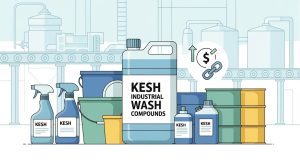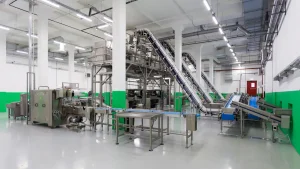
Low-odor dewaxing water is a specialized method. It removes waxes from industrial fluids, like oil, reducing volatile organic compounds and smells. This dewaxing process is crucial for improving safety, product quality, and operational efficiency. The dual benefits of low-odor industrial odor control and effective dewaxing address common challenges. This process manages odor-causing compounds, purifies oil, and reduces emissions.
Key Takeaways
Low-odor dewaxing water cuts dangerous air emissions to create a safer, healthier workplace for industrial workers.
Effective wax removal keeps crude oil fluid, prevents equipment clogs, and improves final fuel quality.
Advanced odor control technology helps factories meet environmental rules while boosting overall productivity and profit.
The Low-Odor Advantage: Enhancing Industrial Odor Control
Reducing VOCs for Safer Work Environments
The “low-odor” aspect of low-odor dewaxing water extends beyond mere smell. It significantly reduces volatile organic compounds (VOCs) in the work environment. High VOC emissions pose serious health risks. Benzene and 1,3-Butadiene reduce cellular DNA repair capacity, lead to structural DNA damage, and elevate overall cancer incidence. Occupational exposure to 1,3-Butadiene correlates with leukemia and cardiovascular diseases. Non-occupational exposure links to pediatric asthma, autism, childhood tumor development, and adverse reproductive outcomes. Furthermore, Vinyl Chloride causes Raynaud’s syndrome, acroosteolysis (AOL), acral sclerodermatous changes, skin carcinoma, and cutaneous indicators of hepatic disease.
Implementing effective industrial odor control helps mitigate these dangers. Chemicals like 1,2-dibromoethane, Benzene, 1,2-dichloroethane, and 1,3-butadiene carry a high carcinogenic risk, increasing cancer development potential through inhalation. Acrolein, 1,3-butadiene, 1,1,2-trichloroethane, and 3-chloropropene present non-carcinogenic risks, causing toxic non-cancer organ system impacts. Reducing these emissions through a specialized dewaxing process protects workers. It also ensures easier regulatory compliance, safeguarding the environment and avoiding penalties. This commitment to a cleaner environment reflects responsible industrial practices, especially in oil refining.
Improving Worker Comfort and Productivity
Improved air quality directly enhances worker comfort and morale. Offensive odor-causing compounds can cause discomfort and distraction. By minimizing these odor-causing compounds, businesses create a more pleasant and productive atmosphere. This contributes to overall health and well-being. Advanced industrial odor control technology plays a vital role in achieving this goal.
Effective industrial odor control solutions, such as wet scrubbing for water-soluble pollutants, purify work environments. This process removes harmful substances from the air. It ensures a healthier space for employees. This focus on advanced odor control technologies not only boosts productivity but also demonstrates a commitment to community well-being. It improves the quality of life for those working in and living near industrial processes, including oil refining. This comprehensive approach to dewaxing benefits everyone.
Critical Dewaxing Process: Ensuring Product Performance
Effective Wax Removal: The Core of the Dewaxing
The critical dewaxing process ensures product performance. Effective wax removal forms the core of this process. Waxes naturally occur in crude oil. They degrade the quality of finished products. For example, lubricants and fuels require specific properties. Waxes cause clouding, gelling, and viscosity changes. These issues prevent products from meeting specifications. They also hinder reliable performance. A thorough dewaxing process ensures the oil maintains its intended characteristics. This improves the quality of the final oil product.
Wax components in diesel fuel tend to solidify at reduced temperatures. This leads to clogged fuel filters. It also causes engine ignition difficulties. Waxy soap residues in ultra-low sulfur diesel (ULSD) accumulate. They obstruct modern high-pressure common rail fuel injectors. This directly impacts engine efficiency and longevity. Therefore, effective dewaxing is essential for fuel stability and engine protection. This ensures the oil remains fluid and functional even in cold conditions. The refining of oil greatly benefits from this.
Protecting Equipment and Reducing Maintenance
Protecting equipment and reducing maintenance are vital benefits of proper dewaxing. Wax buildup causes significant operational problems. It clogs filters, fouls heat exchangers, and impedes fluid flow in machinery. These issues lead to breakdowns and increased maintenance costs. Without proper dewaxing, industrial equipment suffers from reduced efficiency and premature wear. This impacts production schedules and profitability. The refining of oil requires consistent operation.
Implementing high-efficiency dewaxing systems prevents these costly problems. A robust dewaxing and filtration process ensures clean oil circulates through machinery. This extends the lifespan of critical components. It also reduces the frequency of repairs and replacements. The refining process benefits from this enhanced equipment longevity. It contributes to a more consistent production yield. Achieving maximum yield becomes possible with reliable equipment. This commitment to effective dewaxing ensures long-term stability for industrial operations. It also improves oil clarity, which is crucial for many applications. These processes increase the yield of usable oil. Dewaxing systems offer superior performance, boosting overall yield.
Optimizing Your Operations with Low-Odor Dewaxing
Meeting Regulations and Boosting Corporate Responsibility
Low-odor dewaxing water offers a comprehensive solution for modern industrial operations. This combined approach helps businesses meet stringent environmental regulations. These regulations often target volatile organic compounds (VOCs) and other harmful emissions. By significantly reducing these emissions, companies avoid hefty penalties and legal issues. Effective industrial odor control is a key component of this strategy. It ensures compliance with air quality standards, protecting both the environment and surrounding communities. This commitment to environmental sustainability enhances a company’s corporate responsibility profile. It demonstrates a proactive stance on protecting the planet. The refining industry, in particular, benefits from these advanced industrial odor control technology solutions. They improve air quality around facilities that process oil. This also fosters better community relations. The overall process contributes to a healthier environment for everyone. Implementing a robust dewaxing process shows a dedication to responsible industrial practices. It sets a higher standard for the entire industry. This proactive approach to managing airborne pollutants and odor-causing compounds is crucial for long-term success. It ensures the environment remains protected while the creation of essential oil products continues. This also positions the company as a leader in sustainable industrial processes.
Achieving Superior Quality and Operational Efficiency
The dual benefits of low-odor and effective dewaxing lead to higher quality end products. For example, in oil refining, this dewaxing ensures the oil maintains optimal clarity and stability. This directly impacts the performance of lubricants and fuels. Superior oil products command better market prices and build customer trust. Beyond product quality, this approach streamlines operations. Reducing health hazards through better industrial odor control improves worker morale. Employees work in a safer, more comfortable environment, which boosts their overall health and well-being. This leads to increased productivity and reduced absenteeism. Furthermore, effective dewaxing minimizes equipment downtime. Clean oil, free from wax buildup, extends the lifespan of machinery that processes oil. This reduces maintenance costs and ensures consistent production yield. Optimized dewaxing systems prevent costly breakdowns. They keep operations running smoothly. This efficiency directly impacts the bottom line, increasing profitability and overall yield. The refining processes become more reliable and cost-effective. The improved clarity and stability of the oil contribute to a higher overall yield. These advanced industrial odor control technology and dewaxing systems are strategic investments. They enhance both product quality and operational efficiency. The entire process of dewaxing contributes to a more stable and profitable operation. This ensures the oil meets all necessary specifications. Ultimately, this integrated approach improves the overall production process and strengthens market position.
Low-odor dewaxing water is a strategic investment for your oil business. This dewaxing process ensures safer, more efficient oil operations. It future-proofs oil production against evolving regulations. Effective industrial odor control improves the environment. Optimizing dewaxing processes enhances oil quality. This industrial odor control and dewaxing of oil ensures long-term success for your oil.
FAQ
What is low-odor dewaxing water?
Low-odor dewaxing water removes waxes from industrial oil. This process reduces VOCs and unpleasant smells. It improves safety and product quality for oil operations.
How does dewaxing benefit product quality?
Effective dewaxing prevents clouding, gelling, and viscosity changes in finished oil products. It ensures the oil meets specifications and performs reliably, enhancing overall oil quality. This improves the final oil product.
Why is industrial odor control important?
Industrial odor control reduces harmful VOCs, creating a safer work environment. It improves worker comfort and helps meet environmental regulations for oil processing facilities. This protects the surrounding environment from oil emissions. It also ensures the quality of the processed oil.