
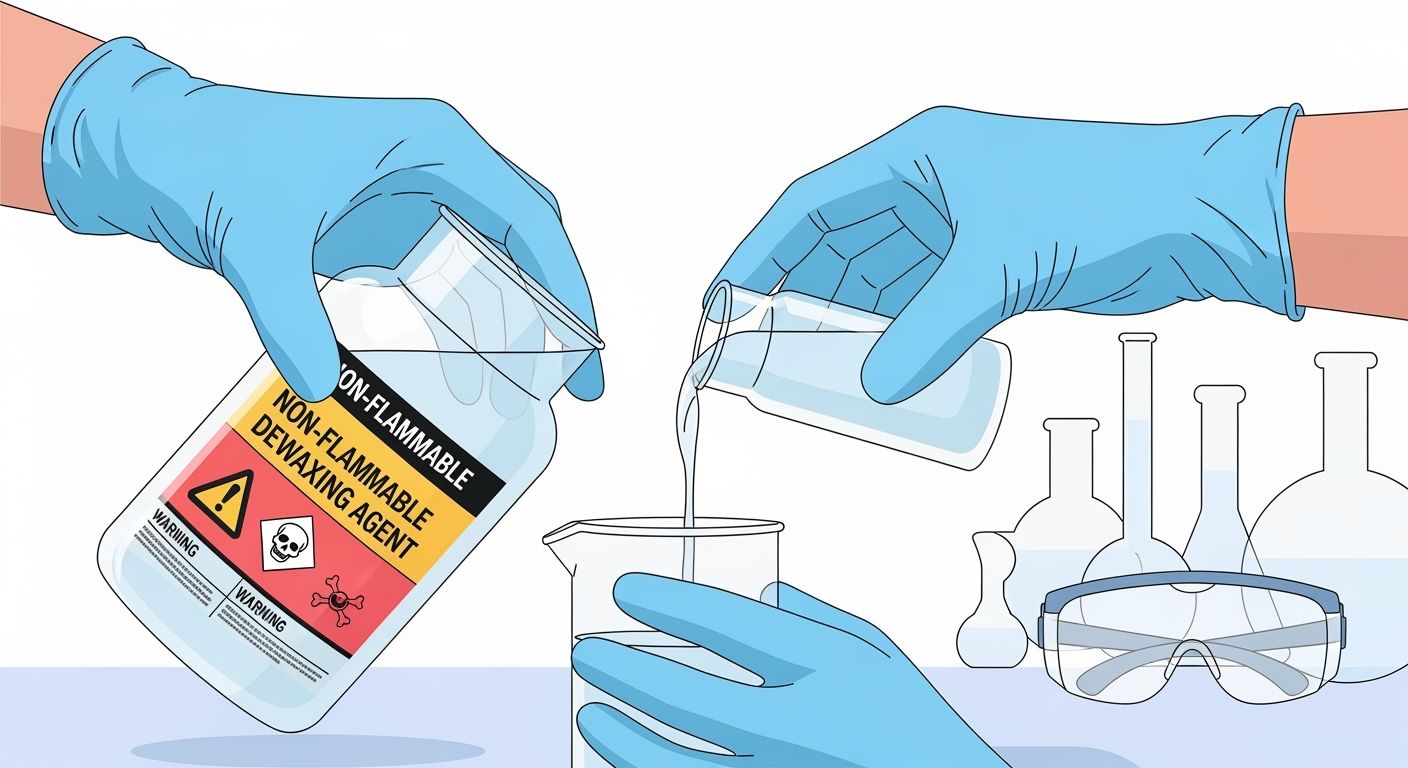
While non-flammable, these agents still present significant risks. You must handle them carefully. This blog post provides essential safety guidelines for using non-flammable dewaxing agents. Understand product-specific hazards. Adhere to safety protocols. This protects personnel, prevents accidents, and safeguards the environment.
Key Takeaways
Always read the Safety Data Sheet to understand specific chemical risks and proper protective measures.
Wear appropriate personal protective equipment like safety goggles and chemical gloves during everyday use.
Maintain proper ventilation and follow strict storage, disposal, and emergency guidelines to prevent accidents.
Understanding Non-Flammable Dewaxing Agents
What Are Non-Flammable Dewaxing Agents?
Non-flammable dewaxing agents are specialized chemical formulations. You use them to dissolve and remove wax, paraffin, and other hydrocarbon deposits from various surfaces and equipment. These agents are crucial in industries like oil and gas, automotive, and manufacturing. They ensure machinery operates efficiently and products remain clean.
These agents earn their “non-flammable” designation because they possess a high flash point. This means they do not easily ignite or sustain combustion under normal operating conditions. This characteristic makes them a safer alternative in environments where fire hazards are a significant concern. You will find them in various forms, including solvent-based solutions and aqueous formulations.
Differences from Flammable Agents
The primary distinction between non-flammable and flammable dewaxing agents lies in their ignition potential. Flammable agents, such as naphtha or acetone, have low flash points. They can easily ignite from a spark, open flame, or even static electricity. This presents a high risk of fire or explosion.
In contrast, non-flammable dewaxing agents significantly reduce this fire risk. However, you must understand that “non-flammable” does not equate to “harmless.” While they offer a safer profile regarding fire, they still pose other health and environmental hazards. You need to handle them with the same diligence as other industrial chemicals.
Common Hazards of Non-Flammable Dewaxing Agents
Even though they do not burn easily, non-flammable dewaxing agents can still present significant risks. You might experience skin irritation or chemical burns if these agents contact your skin. They can also cause serious eye damage upon direct exposure. Always protect your eyes.
Inhaling vapors or mists from these agents can lead to respiratory irritation, dizziness, or other adverse health effects. You should ensure proper ventilation when working with them. Furthermore, many non-flammable dewaxing agents can be harmful if ingested. They also pose environmental risks, potentially contaminating soil or water if improperly handled or disposed of. Always consult the product’s Safety Data Sheet (SDS) to understand specific hazards.
Essential Personal Protective Equipment (PPE)
You must wear appropriate Personal Protective Equipment (PPE) when handling these agents. This equipment forms your primary defense against potential chemical exposure. Selecting the correct PPE is critical. You must always consult the product’s Safety Data Sheet (SDS). The SDS provides specific recommendations for chemical resistance and protection levels.
Eye Protection
Protecting your eyes is paramount. Splashes or mists from these agents can cause severe irritation or permanent damage. You should always wear safety glasses with side shields for general protection. If there is a risk of chemical splashes, you must upgrade to chemical splash goggles. These goggles form a tight seal around your eyes. For tasks involving significant spraying or a higher risk of facial exposure, you need to use a full face shield in addition to safety glasses or goggles. Ensure your eye protection meets industry-approved safety standards. You must also ensure it fits properly to prevent gaps.
Hand Protection
Your hands are highly susceptible to chemical contact. You must wear chemical-resistant gloves to prevent skin irritation, burns, or absorption. The type of glove material is crucial. Nitrile, butyl rubber, or neoprene gloves often provide good protection against many chemicals. However, you must check the SDS for the specific non-flammable dewaxing agent you are using. It will specify the exact glove material and thickness required for adequate resistance. Before each use, inspect your gloves for any punctures, tears, or signs of degradation. Replace them immediately if you find any damage. You should also practice proper glove removal techniques to avoid contaminating your skin.
Body Protection
Protecting your body from splashes and spills is also essential. You should wear chemical-resistant clothing. This includes aprons, lab coats, or full body suits, depending on the task and the potential for exposure. These garments prevent direct skin contact and protect your personal clothing. Materials like PVC, neoprene, or coated fabrics offer good resistance. Again, the SDS will guide your selection. Ensure your protective clothing covers all exposed skin. You might also need chemical-resistant footwear, such as boots, especially if there is a risk of spills on the floor. This prevents chemicals from soaking through your shoes and contacting your feet.
Respiratory Protection
You may need respiratory protection if you work in areas with inadequate ventilation or high vapor concentrations. Inhaling vapors or mists from non-flammable dewaxing agents can cause respiratory irritation or other health issues. You must first prioritize engineering controls, such as local exhaust ventilation, to minimize airborne contaminants. If ventilation is insufficient, you might need to wear a respirator. This could be an air-purifying respirator with appropriate cartridges for organic vapors. For very high concentrations or in confined spaces, a supplied-air respirator may be necessary. You must undergo proper fit testing and training before using any respirator. This ensures it provides effective protection.
Implementing Safe Handling Procedures
You must establish clear procedures for handling non-flammable dewaxing agents. These steps protect you and your colleagues. They also prevent environmental contamination. Following these guidelines ensures a safe working environment.
Ventilation Requirements
Good ventilation is crucial when you work with these agents. Even though they are non-flammable, they can release vapors or mists. These airborne particles can cause respiratory irritation or other health issues. You should always work in a well-ventilated area. Use local exhaust ventilation (LEV) systems whenever possible. LEV captures contaminants at their source before they spread into the air. Ensure your ventilation system is properly maintained and operating effectively. This helps keep the air clean and safe to breathe.
Avoiding Skin and Eye Contact
You must actively prevent direct contact with your skin and eyes. Always wear the appropriate PPE, including chemical splash goggles and chemical-resistant gloves. Handle containers carefully. Pouring or transferring liquids slowly minimizes splashes. If any agent contacts your skin, immediately wash the affected area with plenty of soap and water for at least 15 minutes. For eye contact, flush your eyes with water for at least 15 minutes. Seek medical attention promptly after any exposure. Always wash your hands thoroughly after handling these chemicals, even if you wore gloves.
Preventing Inhalation
You should never intentionally breathe in vapors or mists from non-flammable dewaxing agents. Work in areas with strong ventilation to minimize airborne concentrations. If ventilation is inadequate, or if you are working in confined spaces, you must use respiratory protection. This could be an air-purifying respirator with cartridges designed for organic vapors. Always ensure your respirator fits correctly. You must also receive proper training on its use and maintenance. Minimize your time in areas with high vapor concentrations.
Spill Prevention and Containment
Preventing spills is always better than cleaning them up. Store all containers of non-flammable dewaxing agents securely. Keep them in designated areas. Use secondary containment, such as trays or spill pallets, under containers. This catches any leaks or drips. If a spill occurs, act quickly. Stop the source of the spill if it is safe to do so. Contain the spill using absorbent materials like pads or granular absorbents. Do not let the chemical spread. Dispose of contaminated absorbents and materials according to local regulations. Always have a spill kit readily available in areas where you handle these agents.
Proper Storage and Disposal Protocols
You must follow strict protocols for storing and disposing of non-flammable dewaxing agents. These practices protect personnel and the environment. They also ensure compliance with regulations.
Storage Conditions
Store non-flammable dewaxing agents in a cool, dry, well-ventilated area. Keep them away from direct sunlight and heat sources. You must also separate them from incompatible materials. Check the Safety Data Sheet (SDS) for specific incompatibility information. Ensure the storage area has adequate ventilation to prevent vapor buildup.
Always keep containers tightly closed when not in use. This prevents evaporation and contamination. Store them on secondary containment trays or spill pallets. This catches any leaks or spills. You must secure containers to prevent accidental tipping or damage.
Labeling Requirements
Maintain the original labels on all containers of non-flammable dewaxing agents. These labels provide critical information. They list product identity, hazard warnings, and first aid instructions. You must ensure labels remain legible and intact.
If you transfer agents to smaller containers, you must label the new containers immediately. Include the product name, hazard warnings, and relevant safety information. Use durable, chemical-resistant labels. This ensures the information remains clear and visible.
Disposal Guidelines
You must dispose of non-flammable dewaxing agents and contaminated materials properly. Follow all local, state, and federal regulations. Never pour these agents down drains or onto the ground. This can cause environmental harm.
Classify waste materials correctly. This includes spent agents, contaminated rags, and absorbents. Contact an authorized hazardous waste disposal facility. They will handle the materials safely and legally. Keep accurate records of all waste disposal activities.
Emergency Preparedness and Response
You must prepare for emergencies when working with non-flammable dewaxing agents. Quick action can prevent serious injury. It also minimizes environmental damage. You need clear plans for various scenarios.
First Aid for Exposure
If you experience skin contact, immediately wash the affected area. Use plenty of soap and water. Continue washing for at least 15 minutes. Remove any contaminated clothing. For eye contact, flush your eyes with water for at least 15 minutes. Hold your eyelids open. Seek immediate medical attention for any eye exposure or persistent skin irritation.
If you inhale vapors, move to fresh air immediately. If breathing is difficult, administer oxygen. If you stop breathing, begin artificial respiration. If you ingest the agent, do not induce vomiting. Rinse your mouth with water. Drink a small amount of water. Seek immediate medical attention for any inhalation or ingestion. Always provide the Safety Data Sheet (SDS) to medical personnel.
Spill Response
You must act quickly if a spill occurs. First, ensure your safety. Wear appropriate PPE. Stop the source of the spill if you can do so safely. Prevent the liquid from spreading. Use absorbent materials like pads, socks, or granular absorbents. Contain the spill.
Collect the contaminated absorbent materials. Place them in appropriate containers. Label these containers clearly. Dispose of all spill waste according to local regulations. Never wash spills down drains. This can contaminate water systems. Always have a fully stocked spill kit nearby.
Emergency Contact Information
You need to have emergency contact information readily available. Post these numbers in prominent locations. Include internal emergency contacts. Also list external services. These include poison control, fire department, and local emergency medical services.
Ensure all personnel know where to find this information. They must understand how to use it. Regularly review and update your emergency contact list. This ensures accuracy. You protect yourself and others with clear, accessible emergency plans.
You must prioritize safe handling practices for non-flammable dewaxing agents. Understand hazards, use PPE, implement safe procedures, and follow proper storage, disposal, and emergency response. Always consult the product’s Safety Data Sheet (SDS) for specific instructions. This protects personnel, prevents accidents, and ensures environmental responsibility.
FAQ
Does “non-flammable” mean these agents are completely safe?
No. “Non-flammable” means they resist ignition. They still pose health risks like skin irritation, eye damage, or respiratory issues. You must handle them carefully.
What is the most important safety step when using these agents?
Always consult the product’s Safety Data Sheet (SDS). It provides specific hazard information and required PPE. You must follow its guidelines for safe use.
How should I dispose of used dewaxing agents?
You must follow all local, state, and federal regulations. Never pour them down drains. Contact an authorized hazardous waste disposal facility for proper handling.