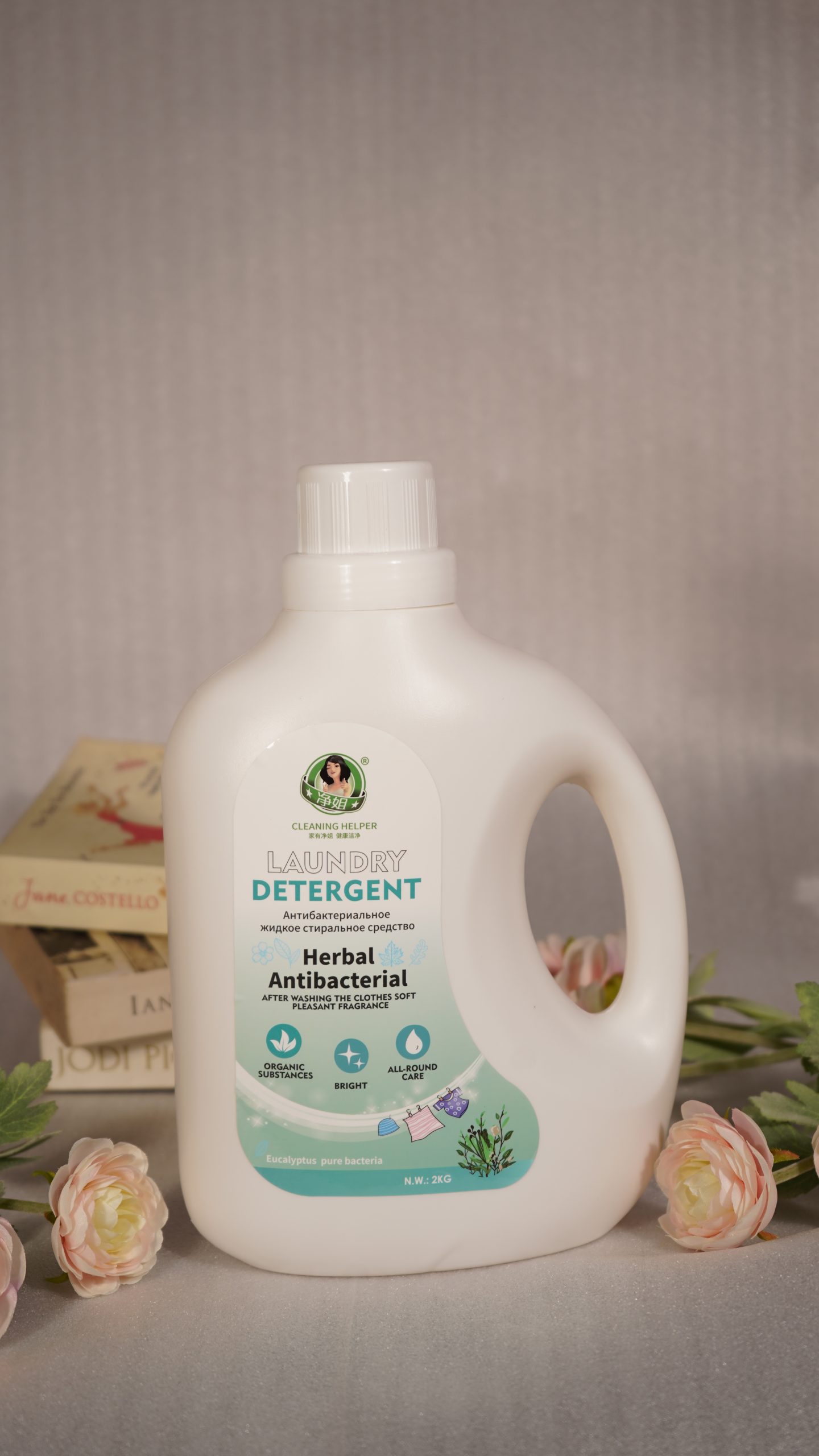
Selecting the right liquid detergent for clothes significantly impacts your laundry results. You may worry about the cleaning performance, especially when tackling tough stains. Cost also plays a vital role in your decision. Moreover, environmental considerations, such as packaging waste and ingredient safety, increasingly concern consumers. For instance, safety issues arise with liquid laundry pods, particularly for the elderly. You might also find that fragrance options greatly influence your satisfaction with the liquid detergent for clothes.
Key Takeaways
Liquid detergents excel at removing grease and oil stains, making them ideal for tough stains like motor oil and butter.
Powder detergents are more cost-effective, typically costing 20–30% less per load than liquid options, especially when bought in bulk.
Consider the fabric type when choosing detergent; use liquid for delicate fabrics and powder for tougher stains like clay and dirt.
Cleaning Effectiveness
Stain Performance
When it comes to tackling tough stains, both liquid and powder detergents have their strengths. Liquid detergents excel at breaking down grease and oil stains. Their formulation allows them to penetrate fabric fibres quickly, making them particularly effective on stains like motor oil and butter. In laboratory tests, liquid detergents consistently show higher stain removal rates for these types of stains compared to their powdered counterparts.
Powder detergents, however, shine when dealing with clay and dirt stains. Their granular form can provide a scrubbing action that helps lift these stubborn stains from fabric. The table below summarises the effectiveness of both types of detergents on various common stains:
Stain Type | Evaluation Method |
|---|---|
Peat | Artificially applied to fabric, allowed to set, then washed with detergent. |
Animal fat/red dye | Evaluated using colourimeter measurements before and after washing. |
Motor oil | Stain Removal Index (SRI) calculated to determine effectiveness. |
Red wine | Reflectance measurements taken to assess stain removal. |
Grass | SRI scale from 0-100 indicates the degree of stain removal. |
Butter | Delta-E colour difference used to quantify stain removal effectiveness. |
Clay | Method allows for comparison of liquid and powder detergents under controlled conditions. |
Tomato sauce |
|
Tea |
|
Baby food |
|
Fabric Compatibility
Choosing the right detergent also depends on the fabric type. Liquid detergents are often gentler on delicate fabrics like silk and wool. Silk, being a protein fibre, is sensitive to alkaline detergents and friction. You should consider using a specialist silk detergent if you plan to hand wash silk items. For wool, professional cleaning is usually the safest option, especially for expensive garments.
On the other hand, powder detergents can be harsher on delicate fabrics. They may cause fading or damage over time. If you wash synthetic fabrics, liquid detergents can help extend their lifespan. Research shows that washing at lower temperatures with liquid detergents reduces microfibre release, which is beneficial for both your clothes and the environment.
To maintain the quality of your laundry, consider these tips:
Use liquid detergent for delicate fabrics.
Wash synthetic items in cooler cycles.
Switch to a front-loader washing machine for better fabric care.
By understanding the cleaning performance of both liquid and powder detergents, you can make informed choices that suit your laundry needs.
Cost Comparison
Price Per Load
When considering the cost per load, you will find that powder detergents generally offer a more economical option. Typically, they cost 20–30% less than liquid detergents. This price difference arises because liquid detergents contain more water, which increases their weight and shipping costs.
If you buy in bulk, you can further enhance your savings. Here are some benefits of bulk purchasing:
Buying laundry detergent in bulk can lead to significant savings over time due to lower price per unit.
The concentrated formula of bulk detergents means that you need less product per load, enhancing cost-effectiveness.
Bulk purchasing reduces packaging waste, which is an environmental benefit.
To illustrate the cost factors, consider the following table:
Cost Factor | Powder Detergent | Liquid Detergent |
|---|---|---|
Cost per load | Lower — typically 20–30% cheaper | Higher — water content adds weight and cost |
Bulk buying | Easier to store in bulk | Heavier and bulkier per load equivalent |
Shelf life | 2+ years if stored dry | 6–12 months |
Waste / overdosing risk | Low — easy to measure precisely | Higher — over-pouring common without measured caps |
Shipping cost | Lower — lighter weight per load count | Higher — water weight increases freight cost |
Value for Money
In 2026, consumer perceptions of value for money differ between liquid and powder detergents. Although liquid detergents tend to be more expensive, many users believe they provide better value. For instance, liquid detergent users paid an average of $12.84, while powder detergent users spent about $12.07.
Notably, brands like Earth Choice received high satisfaction ratings among liquid detergents, while Aldi Almat topped the ratings for powdered laundry detergent. This suggests that despite the higher cost, many consumers feel that liquid detergents justify their price through superior cleaning performance and convenience.
Ultimately, when you evaluate the cost-effectiveness of liquid versus powder detergent, consider both the price per load and the overall value you receive. You may find that the right choice depends on your specific laundry needs and preferences.
Washing Machine Compatibility
Front Load vs Top Load
When choosing between liquid and powder detergents, consider how each performs in different washing machines. In front load machines, liquid detergent often proves more effective. It flushes through the dispenser reliably, ensuring proper distribution. However, powder detergent contains bleaching agents that help maintain whites and prevent mould. For optimal results, you might use powder for whites and maintenance washes, while reserving liquid for colours and darks.
In top load machines, both types of detergents have their merits. A recent study showed that powdered laundry detergent excels at removing blood stains, while liquid detergent performs well on body oils. Here’s a summary of their performance:
Type of Detergent | Performance on Blood Stains | Performance on Body Oils |
|---|---|---|
Powder | Excellent | Decent |
Liquid | Good | Varies |
Special Features
Modern washing machines come equipped with features that enhance the cleaning performance of both liquid and powder detergents. For instance, these machines improve the effectiveness of surfactants, which are crucial for cleaning. They also utilise enzymes that target specific stains, breaking them down at their source.
You should note that liquid detergents dissolve well in all water temperatures, making them ideal for pre-treatment. In contrast, powder detergents may leave residue if not fully dissolved, especially in cold water. This can affect their overall effectiveness.
To maximise your laundry results, consider the following tips:
Use liquid detergent in high-efficiency machines to avoid residue.
Opt for powder detergent when washing whites to benefit from its bleaching agents.
Adjust water temperature settings to enhance the performance of your chosen detergent.
Environmental Impact
Biodegradability
When considering the environmental impact of your laundry choices, biodegradability plays a crucial role. Many brands of powder detergents now offer biodegradable options, which break down more easily in the environment. Liquid detergents have improved formulations, but they still contribute to plastic waste. The ecological footprint of liquid detergents is often larger due to their packaging. In contrast, powder detergents typically utilise cardboard packaging, which is more sustainable and easier to recycle.
Aspect | Powder Detergents | Liquid Detergents |
|---|---|---|
Typically use cardboard boxes, more recyclable | Usually come in plastic bottles, higher waste | |
Biodegradability | Many brands offer biodegradable options | Improved formulations, but still plastic waste |
Energy Consumption | Often requires warm/hot water | Dissolves better in cold water, energy-saving |
Packaging Considerations
Packaging significantly affects the sustainability of your detergent choice. Liquid detergents are packaged in plastic bottles, which contribute to plastic waste. In many Middle Eastern countries, consumers prefer powder detergents due to their cardboard packaging, which is more easily recycled. The 2026 guidelines impose stricter standards for detergent formulations, requiring at least 60% biodegradability within 28 days. Manufacturers must also provide detailed ingredient information through digital product passports.
By choosing eco-friendly formulas, you can reduce your environmental impact while still achieving effective cleaning performance. Consider the packaging and biodegradability of your detergent to make a more informed choice for your laundry needs.
In summary, both liquid and powder detergents have unique advantages. Liquid detergent excels in stain removal, especially for recent stains and oil-based marks. However, powder detergent offers a more eco-friendly option with less packaging and a longer shelf life. Consider your laundry needs and preferences when choosing.
Tip: If you have children or pets, powder detergents are generally safer, as they pose fewer risks of accidental exposure.
Ultimately, weigh the cleaning performance, cost, and environmental impact to make the best choice for your laundry.
FAQ
What is the main difference between liquid and powder detergent?
Liquid detergent works better on grease stains, while powder detergent excels at removing clay and dirt stains.
Can I use powder detergent in a front-loading washing machine?
Yes, you can use powder detergent in front-loaders, but ensure it dissolves completely to avoid residue.
Is one type of detergent more environmentally friendly?
Powder detergent often has less packaging waste and more biodegradable options, making it a more eco-friendly choice.