When it comes to cleaning, you often face a choice between solvent-based and water-based industrial cleaners. These two types differ significantly in their chemical makeup and how they tackle dirt and grime. For instance, solvent-based industrial cleaners contain harsh chemicals like acetone and toluene, which break down contaminants effectively. On the other hand, water-based industrial cleaners utilize biodegradable agents that are safer for both you and the environment. Understanding these differences can help you choose the right industrial cleaner for your specific needs.
Key Takeaways
- Solvent-based cleaners are powerful for tough stains, making them ideal for heavy-duty tasks in industries like automotive and aerospace.
- Water-based cleaners are safer and more environmentally friendly, producing fewer harmful emissions and reducing health risks for users.
- Choosing the right cleaner depends on your specific needs; consider effectiveness, safety, and environmental impact to make an informed decision.
Solvent-Based Cleaners
Composition and Mechanism
Solvent-based cleaners are powerful tools in the cleaning industry. They primarily contain alcohols and petroleum-based substances like hexane. These components work effectively to remove oil-based contaminants. Hexane, being a non-polar molecule, dissolves and removes oils efficiently. Alcohols, on the other hand, have both hydrophobic and hydrophilic properties. This means they can mix well with both water and oil, enhancing their cleaning effectiveness. When you use a solvent-based cleaner, you can expect quick and thorough results, especially on tough stains.
Common Uses
You’ll find solvent-based cleaners in various industries due to their effectiveness. Here’s a quick look at some common applications:
These common applications highlight the versatility of solvent-based cleaners. Whether you’re in the automotive industry or working with electronics, these cleaners can tackle a wide range of cleaning tasks effectively.
Water-Based Cleaners
Composition and Mechanism
Water-based cleaners are a popular choice for many cleaning tasks. They primarily consist of water and surfactants, which are compounds that help lift dirt and grime. Here’s how they work:
- The hydrophobic tails of surfactant molecules are attracted to oil contaminants, gathering around them.
- Surfactant molecules surround the oil, lifting it away from surfaces as more molecules enclose it.
- The oil becomes encased by surfactant molecules, forming micelles that disperse the oil in water.
This mechanism allows water-based cleaners to effectively tackle a variety of contaminants without the harshness of solvent-based cleaners. You’ll find that they are often gentler on surfaces and safer for users.
Common Uses
Water-based cleaners find their place in numerous industries. Here are some common applications:
While water-based cleaners are effective for many tasks, they may struggle with heavy oil or grease. For those tough jobs, you might still need to reach for solvent-based cleaners. However, for everyday cleaning, water-based options provide a safer and more environmentally friendly solution.
Advantages of Solvent-Based Degreasers
Effectiveness on Tough Stains
When it comes to tackling tough stains, solvent-based degreasers shine. Their powerful formulation allows them to break down heavy oils, grease, and other stubborn contaminants that water-based degreasers often struggle with. You’ll find that these cleaning agents penetrate deep into surfaces, lifting away grime with impressive cleaning strength.
Imagine you’re dealing with a greasy engine part or a heavily soiled kitchen surface. A solvent-based cleaner can cut through that mess quickly, saving you time and effort. The effectiveness of these degreasers means you can achieve a level of cleanliness that’s hard to match with other cleaning solutions.
Versatility in Applications
One of the standout advantages of solvent-based degreasers is their versatility. You can use them across various industries and applications, making them a go-to choice for many professionals. Here are some areas where solvent-based cleaners excel:
- Automotive: Perfect for cleaning engine components and removing oil stains.
- Manufacturing: Ideal for degreasing machinery and production equipment.
- Marine: Effective in maintaining boats and marine engines.
- Aerospace: Used for cleaning aircraft parts and ensuring safety standards.
This versatility means that whether you’re in a workshop, a factory, or even a kitchen, solvent-based degreasers can handle a wide range of cleaning tasks. Their ability to adapt to different environments and surfaces makes them invaluable in maintaining cleanliness and safety.
Disadvantages of Solvent-Based Degreasers
Environmental Concerns
While solvent-based degreasers are effective, they come with significant environmental concerns. These cleaning agents often contain high levels of volatile organic compounds (VOCs), which can contribute to air pollution and smog formation. Proper disposal of these products is crucial, as improper handling can lead to hazardous waste issues. Here’s a quick look at some key aspects:
You should be aware that many regions are tightening regulations on the use of solvent-based cleaners. This means you may face challenges in compliance if you rely heavily on these products.
Health and Safety Risks
Using solvent-based degreasers also poses health and safety risks. These products can emit toxic vapors that are harmful when inhaled. You might experience skin irritation if you come into contact with them. Here’s a summary of the health risks associated with these cleaners:
To ensure worker safety, always follow safety precautions when using these cleaning agents. Wearing gloves and masks can help protect you from potential hazards. While solvent-based degreasers are powerful, understanding their disadvantages is essential for making informed choices.
Advantages of Water-Based Degreasers
Environmental Friendliness
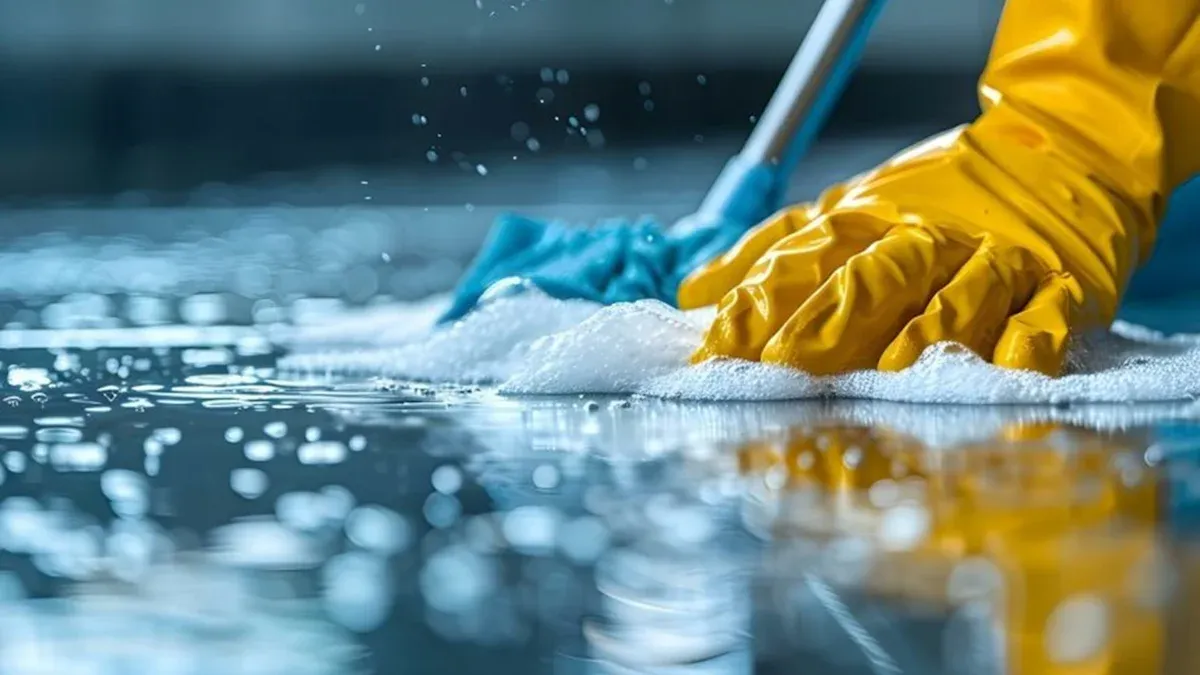
When you choose water-based degreasers, you’re making a decision that benefits the environment. These cleaning agents have several advantages that contribute to environmental sustainability:
- Low VOC Emissions: Water-based degreasers produce minimal volatile organic compounds (VOCs), which significantly reduces air pollution. This means cleaner air for you and your community.
- Biodegradable: Unlike many solvent-based cleaners, water-based options are biodegradable. They break down naturally, making them less harmful to the environment.
- Easier Wastewater Treatment: Using water-based cleaners facilitates easier wastewater treatment. This contributes to better environmental management and helps maintain clean water sources.
Additionally, water-based degreasers are more likely to comply with regulations set by organizations like the EPA and REACH. This compliance supports sustainability efforts and ensures that you’re using products that align with environmental standards.
Safety for Users
Safety is a top priority, especially in industrial settings. Water-based degreasers offer several safety advantages that make them a smart choice for everyday cleaning tasks:
- Elimination of Fire Hazards: Water-based products eliminate the fire hazards associated with solvent-based cleaners. You can use them without worrying about flammable vapors.
- Reduced Health Risks: These cleaners significantly lessen the risks of skin and eye irritation. Their formulations typically avoid harsh chemicals, making them safer for you and your team.
- Less Compliance Burden: With water-based cleaners, you face fewer compliance challenges related to hazardous material handling. This means less paperwork and more focus on your cleaning tasks.
By opting for water-based degreasers, you not only protect the environment but also create a safer workplace. Their gentle yet effective cleaning power makes them ideal for a variety of applications, ensuring that you can maintain cleanliness without compromising safety.
Disadvantages of Water-Based Cleaners
Effectiveness on Heavy Contaminants
While water-based cleaners have their perks, they often struggle with heavy contaminants. If you’re dealing with thick grease or stubborn oil stains, you might find these cleaners less effective. They work best on lighter dirt and grime, making them ideal for household cleaning tasks. However, in industrial settings, where tough residues are common, you may need to rely on solvent-based cleaners for better results. Studies show that water-based cleaners generally take longer to remove contaminants compared to their solvent counterparts. So, if speed and power are your priorities, you might want to consider this limitation.
Limitations in Certain Applications
Water-based cleaners also face limitations in specific applications. For instance, they may not perform well on delicate surfaces that require a gentler touch. While they excel in many areas, you might find them lacking when it comes to cleaning heavy machinery or equipment exposed to harsh conditions. Their effectiveness can also depend on factors like water temperature, which plays a crucial role in optimal cleaning performance. If you’re in an environment where heavy-duty cleaning is essential, you may need to weigh these disadvantages carefully before making your choice.
Remember, while water-based cleaners are safer and more environmentally friendly, they might not always be the best fit for every cleaning job. Understanding their limitations can help you make informed decisions that suit your specific needs.
Side-by-Side Comparison
Effectiveness
When it comes to effectiveness, solvent-based cleaners often take the lead. They quickly remove tough contaminants like grease and oil. In contrast, water-based cleaners may take longer to tackle heavy stains. Here’s a quick comparison:
Environmental Impact
You’ll find key differences in environmental impact between these two types of cleaners. Solvent-based cleaners often contain volatile organic compounds (VOCs), which can harm air quality. Water-based cleaners, however, produce minimal VOCs and are biodegradable. This makes them a more eco-friendly choice.
Safety Considerations
Safety is crucial when choosing a cleaner. Here’s what you need to know:
- Water-based cleaners are safer for everyday tasks, minimizing health risks and requiring minimal protective gear.
- Solvent-based cleaners necessitate higher precautions due to flammability and toxicity, requiring gloves and masks for protection.
Cost Analysis
Cost can also influence your choice. Solvent-based cleaners may seem cheaper upfront, but their health risks and environmental impact can lead to higher long-term costs. Water-based cleaners might have a higher initial price, but their safety and eco-friendliness can save you money in the long run.
Practical Applications of Industrial Cleaners
Industries Using Solvent-Based Cleaners
You’ll find solvent-based cleaners in several industries where tough cleaning tasks are common. Here are a few key sectors that rely on these powerful degreasers:
- Automotive: Mechanics use solvent-based cleaners to remove grease and oil from engine parts.
- Manufacturing: Factories often depend on these cleaners for machinery maintenance and equipment degreasing.
- Aerospace: Aircraft maintenance teams utilize solvent-based products to ensure safety and cleanliness of aircraft components.
These industries benefit from the quick and effective cleaning power of solvent-based cleaners, making them essential for maintaining operational efficiency.
Industries Using Water-Based Cleaners
Water-based cleaners have gained popularity in various sectors, especially where safety and environmental concerns are paramount. Here’s a look at some industries that have shifted to these eco-friendly options:
In these settings, water-based cleaners provide a safer alternative without compromising cleaning effectiveness. You can see how they help create healthier environments for both workers and consumers.
By understanding the practical applications of these industrial cleaners, you can make informed choices that suit your specific cleaning needs.
Choosing the right industrial cleaner can make a big difference in your cleaning tasks. Solvent-based cleaners excel at heavy-duty jobs, while water-based options are safer and more environmentally friendly. Consider your specific needs and the impact on safety and the environment.
By weighing these factors, you can make an informed choice that suits your cleaning needs.
FAQ
What are the main differences between solvent-based and water-based cleaners?
Solvent-based cleaners use harsh chemicals for tough stains, while water-based cleaners rely on biodegradable agents for safer, everyday cleaning.
Can I use water-based cleaners for heavy grease?
Water-based cleaners may struggle with heavy grease. For tough jobs, solvent-based cleaners often provide better results.
Are solvent-based cleaners safe to use indoors?
Using solvent-based cleaners indoors can pose health risks due to toxic vapors. Ensure proper ventilation and wear protective gear.
See Also
The Ultimate Guide to Top Flexible Waterproof Sealers
A Thorough Comparison of Moisture Barriers for Walls and Floors
Inorganic vs Organic Wall Coatings: A 2025 Detailed Review
Understanding the Differences Between Hydraulic and Regular Concrete
Exploring Rigid Waterproofing Sealers: Function and Benefits Explained