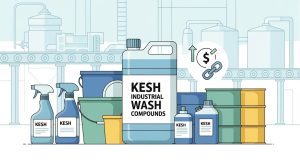
Choosing safe industrial cleaning agents in 2026 matters more than ever. You want to protect your health and the environment while ensuring effectiveness. With new regulations, like those affecting substances such as n-hexane and bisphenol AF, awareness of safety standards has grown. The right industrial cleaning agent can make a significant difference.
Key Takeaways
- Choose cleaning agents based on their environmental impact. Opt for biodegradable options to reduce harm to ecosystems.
- Always review Safety Data Sheets (SDS) before using cleaning agents. This practice ensures you understand hazards and safe handling.
- Consider surface compatibility when selecting cleaners. Using the wrong product can damage surfaces and lead to costly repairs.
Types of Cleaners
When it comes to industrial cleaning agents, you have several options to choose from. Each type has its own unique properties and applications. Let’s break down the most common types you’ll encounter.
Solvent-Based
Solvent-based cleaners are popular in many industries. They effectively dissolve oils, waxes, and other organic contaminants. Here’s a quick look at their pros and cons:
Water-Based
Water-based cleaners are gaining traction due to their lower environmental impact. They typically contain surfactants that enhance cleaning effectiveness. However, they may require more time to remove contaminants compared to solvent-based options. Here’s how they stack up:
Biodegradable
Biodegradable cleaners are an excellent choice if you’re looking for environmentally friendly cleaning options. These products break down naturally, reducing their impact on the environment. They are often derived from natural sources, making them safer for both users and the planet.
Choosing the right cleaner depends on your specific needs. Consider factors like effectiveness, safety, and environmental impact when making your decision.
Safety Profiles of Cleaning Agents
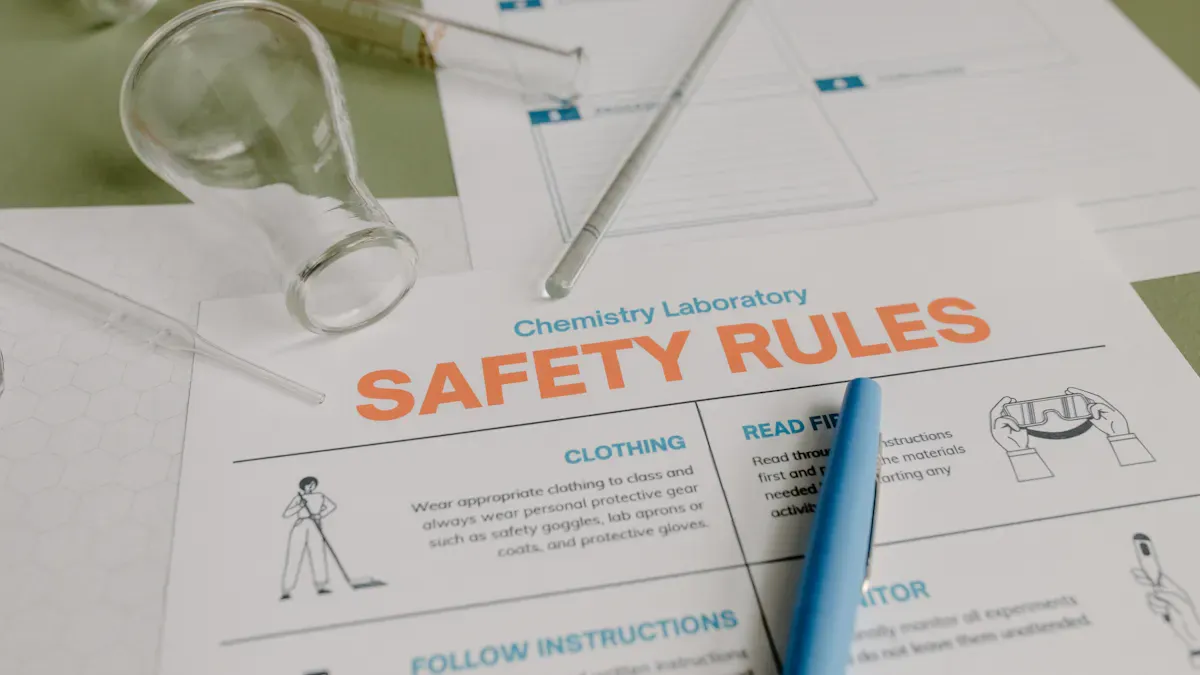
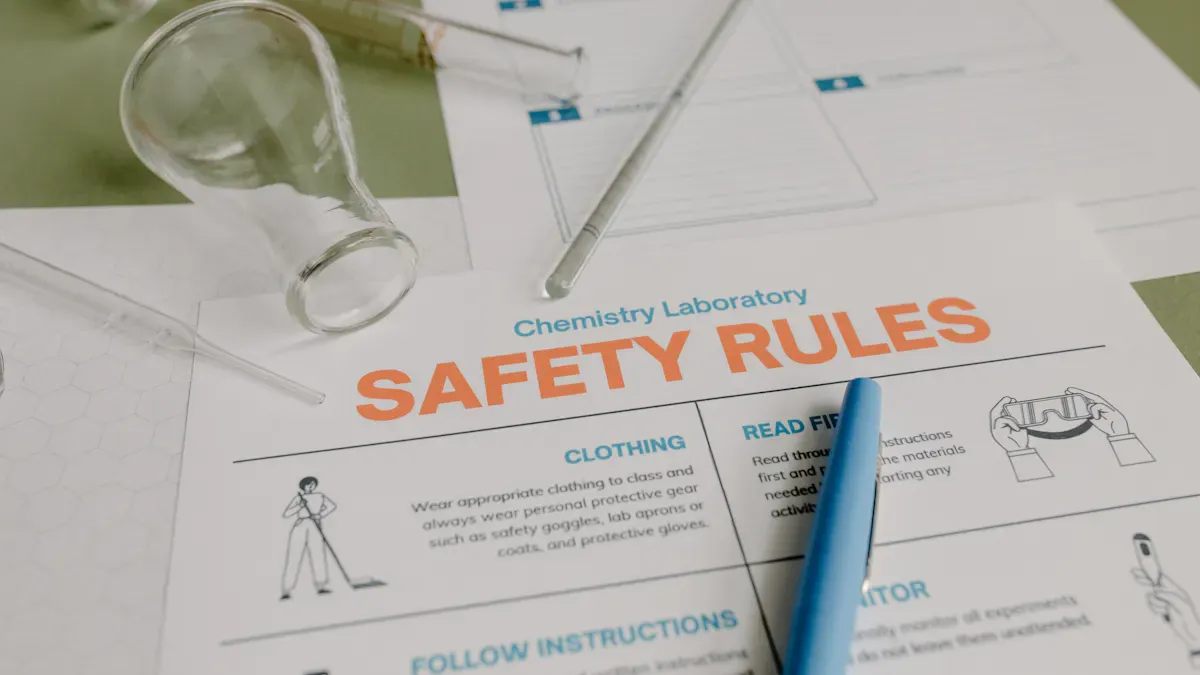
When you choose an industrial cleaning agent, understanding its safety profile is crucial. This knowledge helps you avoid workplace hazards and ensures a safer environment for everyone involved. Let’s dive into the key components of evaluating safety.
Understanding SDS
Safety Data Sheets (SDS) are essential documents that provide detailed information about a chemical cleaning product. They outline the hazards associated with the product, safe handling practices, and emergency measures. Here’s what you should look for in an SDS:
- Identification: This section includes the product name, manufacturer details, and recommended uses.
- Hazard Identification: You’ll find information about potential hazards, including physical, health, and environmental risks.
- Composition: This part lists the ingredients and their concentrations, helping you understand what toxins might be present.
- First-Aid Measures: In case of exposure, this section provides guidance on what to do.
- Fire-Fighting Measures: It details how to handle fires involving the product, including suitable extinguishing methods.
Always review the SDS before using any cleaning agent. This practice not only enhances your cleaning effectiveness but also protects your health and safety.
Hazard Symbols
Hazard symbols are visual indicators that communicate the risks associated with chemical cleaning products. Familiarizing yourself with these symbols can help you quickly assess the dangers. Here are some common symbols you might encounter:
- Flame: Indicates flammable materials.
- Skull and Crossbones: Signifies toxic substances that can cause serious health issues.
- Exclamation Mark: Represents irritants that may cause less severe health effects.
- Environment: Warns about potential environmental hazards.
By recognizing these symbols, you can make informed decisions and minimize exposure to harmful substances.
Toxicity Levels
Toxicity levels indicate how harmful a chemical cleaning agent can be. Understanding these levels helps you assess the risks involved. Chemicals are often classified into categories based on their toxicity:
- Low Toxicity: These products pose minimal health risks and are generally safe for everyday use.
- Moderate Toxicity: While still manageable, these agents require caution and proper protective equipment.
- High Toxicity: These substances can cause severe health issues and should only be used with strict safety measures.
When selecting a cleaner, consider its toxicity level in relation to your workplace hazards. Opt for products with lower toxicity whenever possible to enhance safety and maintain a healthy work environment.
By understanding SDS, hazard symbols, and toxicity levels, you empower yourself to choose safer industrial cleaning agents. This knowledge not only protects your health but also contributes to a safer workplace for everyone.
Key Selection Factors
When choosing industrial cleaning agents, you need to consider several key factors. These factors not only affect the effectiveness of the cleaning process but also impact health and the environment. Let’s explore these critical selection factors in detail.
Environmental Impact
The environmental impact of cleaning agents is a major concern. Many traditional solvents can harm the environment and are difficult to dispose of safely. Here are some significant environmental impacts associated with industrial cleaning agents:
- Solvents emit toxic fumes that can negatively affect air quality.
- Acid and alkali cleaners can damage sensitive surfaces and pose burn risks to workers.
- Organic solvents can easily enter the environment due to their low boiling points.
- Certain compounds, like chlorinated and fluorinated hydrocarbons, are harmful to both human health and the environment.
Choosing biodegradable options can significantly reduce your environmental footprint. These cleaners break down naturally, minimizing their impact on ecosystems. By opting for environmentally friendly products, you contribute to a healthier planet while maintaining effective cleaning practices.
Health Risks
Health risks associated with industrial cleaning agents can be severe. Understanding these risks helps you take necessary safety precautions. Here’s a breakdown of some common health risks:
To protect yourself and your coworkers, always follow safety precautions when using cleaning agents. This includes wearing appropriate personal protective equipment (PPE) and ensuring proper ventilation in the workplace.
Surface Compatibility
Surface compatibility is another crucial factor when selecting cleaning agents. Some cleaners can be damaging or caustic to specific surfaces. Always follow the manufacturer’s instructions to ensure safety and effectiveness. Here are some components to consider:
Using the wrong cleaner can lead to costly damage. For example, abrasive cleaners can scratch delicate surfaces like glass and plastics. Always test a small area first to ensure compatibility.
By considering environmental impact, health risks, and surface compatibility, you can make informed decisions when selecting industrial cleaning agents. This approach not only enhances safety in the workplace but also promotes a healthier environment.
Choosing safe industrial cleaning agents is crucial for your health and the environment. Always consider factors like environmental safety, health risks, and surface compatibility. Stay informed about the best cleaning chemicals and proper storage of cleaning chemicals. Resources like NCH Asia’s Facility Disinfection Program and Ecolab’s educational programs can help you stay updated on safety practices.
FAQ
What are the benefits of using water-based cleaning agents?
Water-based cleaning agents are safer for the environment and reduce health risks. They effectively clean without harmful fumes, making them ideal for various applications.
How do degreasers differ from other cleaning solutions?
Degreasers specifically target grease and oil, making them more effective for heavy-duty cleaning. Other cleaning solutions may not have the same strength against stubborn residues.
Are citrus-based cleaners effective for industrial use?
Yes! Citrus-based cleaners are powerful and eco-friendly. They break down tough grime while leaving a pleasant scent, making them a popular choice in many industries.
See Also
The Ultimate 2025 Guide to Concrete Dust Sealers
Selecting the Top Anti-Slip Tile Treatments for 2025
A Detailed 2025 Comparison of Industrial Floor Hardeners