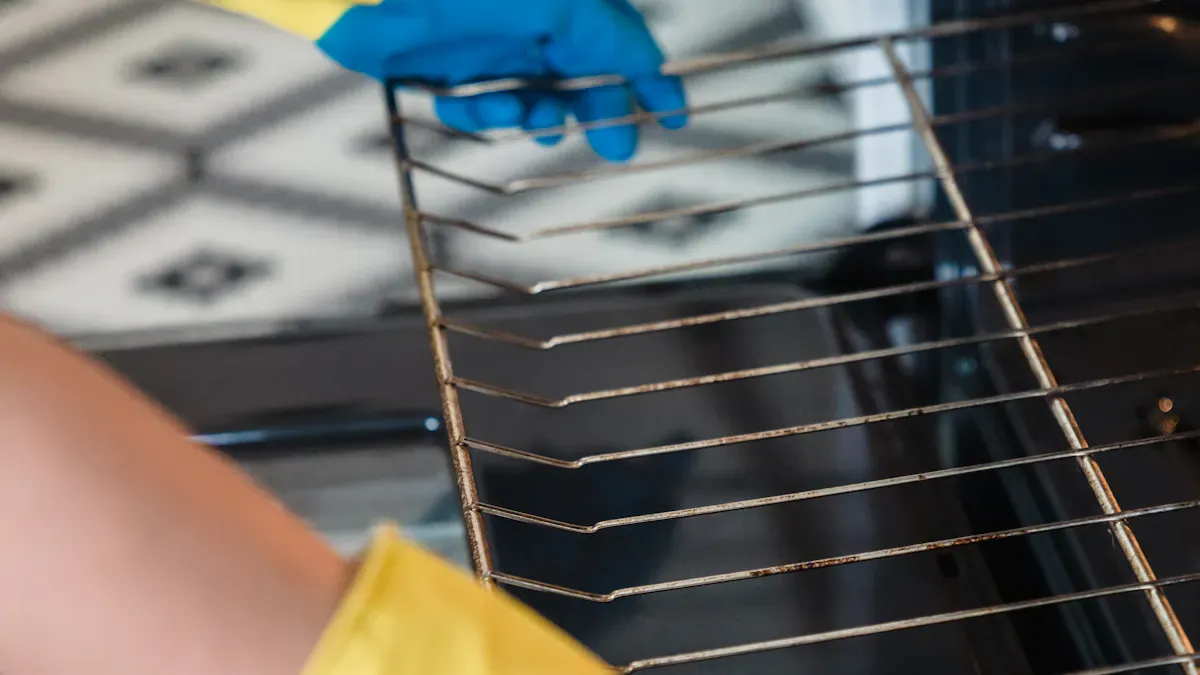
Picture this: you’ve just finished cooking a delicious meal, but now your kitchen walls and stovetop are splattered with stubborn kitchen grease stains. It’s frustrating, right? Many surfaces in the kitchen, from walls to countertops, collect these pesky marks. Finding effective methods that removes stubborn kitchen grease stains is essential for keeping your space clean and inviting.
Key Takeaways
- Use warm water and dish soap to effectively clean greasy kitchen walls. This combination helps break down grease better than cold water.
- For tough stovetop stains, let a soapy solution sit for a few minutes before scrubbing. This extra time allows the solution to loosen the grease.
- Mix baking soda and vinegar for a powerful DIY cleaning solution. The fizzing reaction helps lift grease stains, making cleaning easier.
Methods to Remove Stubborn Kitchen Grease Stains
Clean Greasy Kitchen Walls
Cleaning greasy kitchen walls can feel like a daunting task, but with the right approach, it becomes manageable. Start by gathering your supplies: a bucket, warm water, dish soap, and a microfiber cloth. Here’s a simple method to tackle those greasy spots:
- Prepare Your Solution: Mix a few drops of dish soap into a bucket of warm water. Warm water helps to cut through grease more effectively than cold.
- Wipe Down the Walls: Dip the microfiber cloth into the soapy solution, wring it out, and start wiping the walls from the bottom up. This technique prevents dirty water from running down onto clean areas.
- Rinse and Dry: After cleaning, rinse the cloth in clean water and wipe the walls again to remove any soap residue. Finally, dry the walls with a clean, dry cloth to prevent streaks.
Tip: For stubborn grease stains, let the soapy solution sit for a few minutes before wiping. This extra time allows the solution to penetrate and loosen the grease.
Stovetop and Cookware Solutions
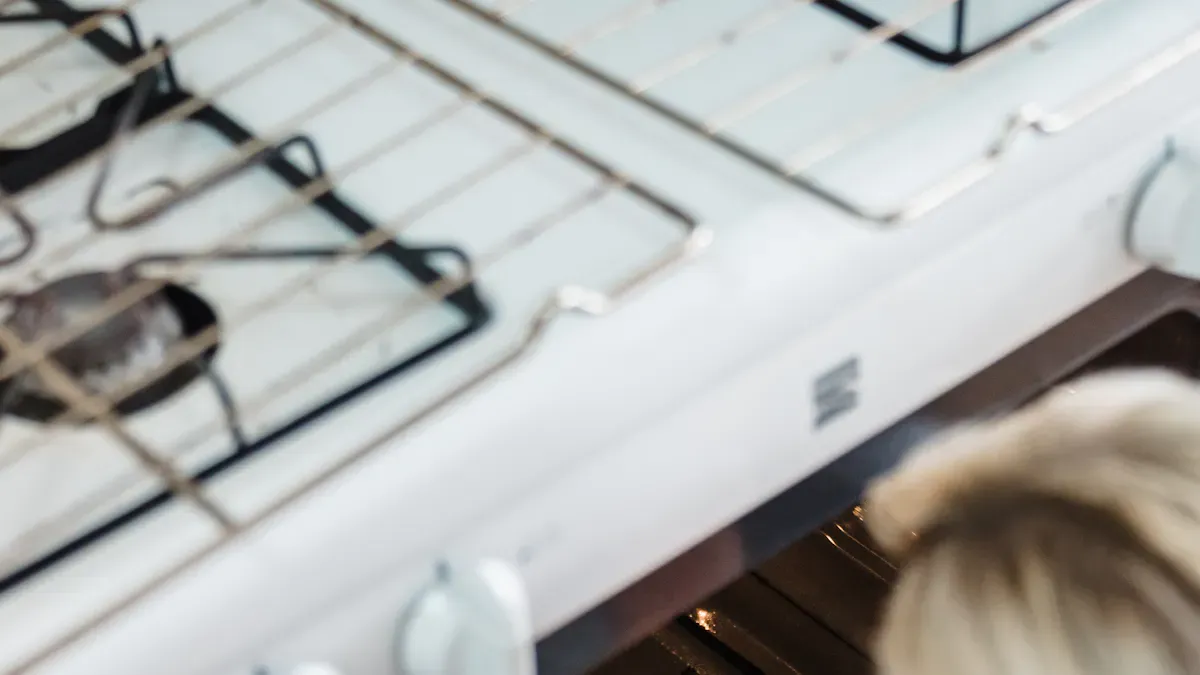
Stovetops and cookware often bear the brunt of cooking messes, especially when dealing with caked-on grease. Here’s how to effectively clean these surfaces:
- Initial Wipe: Begin by wiping down the stovetop to remove any crumbs or loose debris.
- Apply Soapy Solution: Use a spray bottle filled with warm water and dish soap to spritz the greasy areas. Allow the solution to sit for a few minutes to break down the grease.
- Scrub Away the Grease: Grab a microfiber cloth or a non-scratch sponge to lift off the grease. For tougher stains, sprinkle baking soda on the area, spritz with the soapy solution, and let it fizz before scrubbing gently.
Here’s a quick checklist of common mistakes to avoid while cleaning:
- Using cold or lukewarm water instead of warm water.
- Over-scrubbing, especially on matte or flat finishes, which can lead to streaks.
- Not wringing out the cloth properly, causing excessive moisture that can damage surfaces.
Did You Know? Professional cleaners recommend using a combination of dish soap and warm water for effective cleaning. Microfiber cloths are ideal for wiping down surfaces without scratching, while scrubbers work well for tougher stains on range hoods and filters.
By following these methods, you can effectively remove stubborn kitchen grease stains and keep your kitchen looking fresh and clean.
DIY Solutions for Grease Stains
Baking Soda and Vinegar Mix
One of the most popular DIY methods for tackling grease stains involves a simple combination of baking soda and vinegar. This duo works wonders due to a chemical reaction that occurs when they mix. Here’s how to use this effective solution:
- Gather Your Ingredients: You’ll need 1 cup of baking soda and 1 cup of white vinegar.
- Mix the Ingredients: In a bowl, combine the baking soda and vinegar. Expect some fizzing as the two react. This reaction produces carbon dioxide gas, which creates bubbles that help lift grease stains.
- Apply the Mixture: Pour the mixture onto the greasy area and let it sit for about 10-15 minutes. The foaming action will agitate and loosen the stain particles.
- Scrub and Rinse: After the waiting period, scrub the area with a sponge or cloth. Rinse thoroughly with warm water to remove any residue.
Tip: For tougher stains, consider adding a few drops of dish soap to the mixture. This addition enhances the cleaning power of your DIY solution.
Here’s a quick overview of the reaction that occurs:
| Reactants | Products |
|---|---|
| Acetic acid + Baking soda | Carbon dioxide + Water + Sodium acetate |
While this method is effective for everyday cleaning tasks, it may not match the performance of commercial degreasers for heavy-duty grease removal. Experts suggest that while baking soda and vinegar can handle routine cleaning, they might not suffice in high-risk scenarios where true disinfection is required.
Dish Soap and Warm Water
Another fantastic DIY method involves using dish soap and warm water. This combination is not only simple but also utilizes non-toxic ingredients that are safe for most surfaces. Here’s how to make the most of this method:
- Prepare Your Solution: Mix a few drops of dish soap into a bucket of warm water. The warmth helps break down grease more effectively.
- Apply the Solution: Use a sponge or cloth to apply the soapy water to the greasy area. Make sure to cover the stain thoroughly.
- Let It Sit: Allow the solution to sit for a few minutes. This waiting period gives the soap time to penetrate and loosen the grease.
- Scrub and Rinse: After letting it sit, scrub the area gently with a sponge. Rinse with clean water to remove any soap residue.
Did You Know? Many people also recommend adding a bit of baking soda to the dish soap and warm water mixture for an extra boost in cleaning power.
This method is particularly effective for light to moderate grease stains. However, for significant grease buildup, consider using castile soap as a more effective alternative.
In addition to baking soda and vinegar, other popular DIY grease removal solutions include:
- Lemon, ash, and vinegar
- Laundry detergent in liquid form
- Salt and rubbing alcohol solution
- Rice water
These options highlight the versatility of non-toxic ingredients available in most households. While natural cleaning solutions may take a bit longer to work, they offer a safe and effective way to keep your kitchen clean.
Cleaning grease stains quickly keeps kitchens looking fresh. Readers should try the methods shared in this guide. They can also prevent grease buildup by regularly wiping kitchen shelves and using a microfiber cloth with a cleaning solution. Daily cleaning of dish racks near the hob helps too. Share your experiences and tips with others!
FAQ
What is the best way to prevent grease stains in the kitchen?
Regularly wipe surfaces with a microfiber cloth and cleaning solution. This habit helps prevent grease buildup.
Can I use vinegar on all kitchen surfaces?
Vinegar works well on most surfaces but avoid using it on natural stone, as it can damage the finish.
How often should I clean my kitchen to avoid tough grease stains?
Aim to clean your kitchen weekly. Frequent cleaning keeps grease at bay and maintains a fresh environment.