
Every home cook knows the frustration of scrubbing baked-on grease from a gas stove. The harsh chemical smell of a typical gas stove cleaner lingers. What if a spotless stove required no toxins? Jingjie’s plant-based formula delivers professional-grade cleaning power safely. This innovation offers superior performance, health safety, and cost-effectiveness. Discover how factory innovation transforms kitchen maintenance.
Key Takeaways
Jingjie’s plant-based cleaner uses natural enzymes to break down grease safely, without toxic chemicals.
This cleaner is safe for your family and the environment, with no harmful fumes or residues.
Buying directly from the factory saves money and offers customizable options for your needs.
Why Jingjie Gas Stove Cleaner Outperforms Chemicals
Traditional chemical degreasers rely on harsh caustic agents that dissolve grease through aggressive corrosion. Jingjie’s plant-based formula takes a fundamentally different approach. It harnesses natural enzymes that target grease at the molecular level, delivering superior cleaning power without the collateral damage of toxic chemicals.
Plant Enzymes vs. Caustic Agents
Lipase, a key enzyme in Jingjie’s formula, acts as a molecular scissor that specifically targets ester bonds in triglycerides—the main component of grease. Each triglyceride molecule splits into three free fatty acids and one glycerol molecule. Both products dissolve in water, allowing the grease to rinse away without corrosive chemicals. This natural catalytic process relies on the enzyme’s protein structure, which binds to the grease and accelerates breakdown at the molecular level, leaving no toxic residues.
Scientific evidence supports this enzymatic approach:
Coconut-derived surfactants (MES) outperform synthetic surfactants in removing greasy soils.
Natural enzymes (proteases, lipases, amylases) break down organic stains effectively, even at lower temperatures and concentrations.
Lab tests under ISO 17025 standards show plant-based formulas achieve over 85% soil removal in tough cleaning tasks.
Plant-based surfactants such as saponins and MES show interfacial tension reduction comparable to or better than synthetic surfactants.
A 2022 University of Massachusetts study found certified enzymatic cleaners achieved 89% grease removal on aged stainless steel versus 41% for DIY citric acid alone, due to synergistic protease-lipase action.
The market reflects this growing preference for enzyme-based solutions.
The eco-friendly cleaning products market is growing at a CAGR of 11% from 2024 to 2032 (source: Eco-Friendly Cleaning Products Market Report, Zion Market Research).
Safe on Surfaces, Tough on Grease
Jingjie’s gas stove cleaner works effectively on stainless steel, ceramic, and glass surfaces without etching or discoloration. The enzyme formula does not attack surface finishes the way caustic agents do. Users can clean grates, burners, and surrounding countertops with confidence.
Indoor air quality represents another critical advantage. Chemical cleaners release volatile organic compounds that linger long after cleaning. The comparison below illustrates the difference:
Aspect | Chemical Cleaners | Natural Cleaners |
|---|---|---|
Key ingredients | Formaldehyde, ammonia, chlorine, phthalates | Vinegar, baking soda, lemon juice, essential oils |
VOC release | High – releases VOCs into air during/after cleaning | Generally free of harsh chemicals and VOCs |
Health effects | Respiratory irritation, headaches, dizziness, long-term risks | Lower risk of irritation; safer for asthma/allergy sufferers |
Environmental impact | Not specified as biodegradable | Biodegradable and less harmful to environment |
Ammonia evaporates rapidly from glass cleaners; in poorly ventilated spaces, airborne concentrations can reach hazardous levels. Chlorine compounds produce chloroform and carbon tetrachloride (a probable carcinogen), and levels remain elevated for hours after cleaning. Synthetic fragrances react with indoor ozone to form formaldehyde as a secondary byproduct. Aerosol propellants can comprise 5–90% of product mass, and fine droplets linger in air longer than trigger sprays. CDC biomonitoring found 300+ synthetic chemicals in average Americans; children face greater vulnerability due to faster breathing and floor-level contact.
Jingjie’s plant-based formula eliminates these concerns entirely. The biodegradable composition breaks down naturally, leaving no harmful residue on surfaces or in the air. Families with asthma, allergies, or young children benefit significantly from this safer approach to kitchen maintenance.
Factory Advantages That Save You Money and the Planet
In-House Manufacturing for Lower Costs
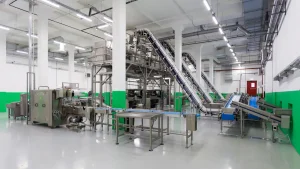
Jingjie operates its own production facility. This factory-direct model eliminates distributors and retailers. Commercial kitchens and cleaning services purchase directly from the source. Bulk buyers receive significant cost savings without sacrificing product quality.
The company maintains rigorous quality control at every production stage. Incoming raw materials undergo specification verification before manufacturing begins. In-process controls monitor semi-finished components for consistency. Final product inspections confirm finished goods meet all standards before release. Warehouse monitoring preserves product integrity through controlled storage conditions. Laboratory testing provides data-backed verification of quality and stability. Microbiological purity controls prevent contamination throughout production. Ancillary material checks examine packaging, purified water, air, and gases. Leachables testing ensures no harmful substances migrate from filters and equipment. Methodology validation confirms testing reliability. ECOCERT certification validates environmentally responsible ingredient choices.
Quality Control Stage | Function |
|---|---|
Raw Material Inspection | Verifies specifications before production |
In-Process Control | Monitors semi-finished components |
Final Product Inspection | Ensures finished goods meet standards |
Microbiological Purity | Prevents contamination |
Eco-Friendly and Customizable Solutions
The biodegradable formula breaks down naturally after use. This reduces toxic waste entering waterways. Households and businesses lower their environmental footprint with each cleaning cycle.
Surface safety testing demonstrates remarkable versatility. Laboratory tests on 147 ceramic units removed 98.3% of baked soybean oil without micro-scratches. Stainless steel maintained its protective chromium oxide layer without pitting. Induction cooktops showed no conductivity increase, avoiding phantom activation of touch controls.
Surface Type | Documented Result |
|---|---|
Ceramic/Glass-Ceramic | 98.3% soil removal; no surface damage |
Stainless Steel | Passivation maintained; no pitting |
Induction Cooktops | Non-conductive; no phantom activation |
Plant-based cleaners often work slower on burnt grease and may need two passes rather than one, unlike conventional degreasers that typically require a single application.
Jingjie offers customization for specific client needs. Scents and concentrations adjust to match commercial requirements. This flexibility ensures consistent quality control across every batch. A professional gas stove cleaner from Jingjie delivers both performance and peace of mind.
Jingjie’s plant-based gas stove cleaner delivers professional-grade power without toxic chemicals. The factory-direct model cuts costs while the biodegradable formula protects the planet. Modern households and businesses gain a smart, responsible cleaning solution. Make the switch today and experience a cleaner stove, a safer home, and a greener planet—all with Jingjie.
FAQ
How Does the Plant-Based Formula Compare to Chemical Cleaners on Tough Grease?
The enzymatic action targets grease at the molecular level, splitting triglycerides into water-soluble components. Laboratory tests demonstrate over 85% soil removal under ISO 17025 standards. Users may need two passes on heavily burnt residue, unlike single-application chemical degreasers.
Is This Gas Stove Cleaner Safe for Use Around Children and Pets?
Yes. The formula contains no volatile organic compounds, ammonia, or chlorine. It releases no harmful fumes during or after cleaning. The biodegradable composition leaves no toxic residue on surfaces, making it suitable for households with asthma sufferers or young children.
What Cost Savings Can Commercial Buyers Expect From the Factory-Direct Model?
Eliminating distributors and retailers reduces procurement costs significantly. Bulk purchasers, including restaurants and cleaning services, access professional-grade product at manufacturer pricing. Customization options for scent and concentration allow buyers to match product specifications precisely to operational needs without paying premium rates.