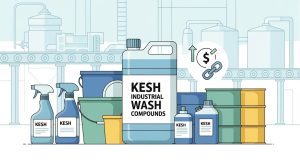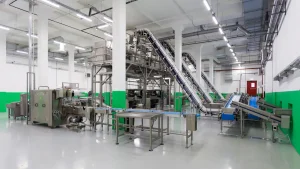

Machining brass presents unique hurdles. Galling ruins tools, and mirror finishes seem impossible. You need a specialized answer. Kesh cutting fluid for brass directly solves these problems. You gain longer tool life, superior part quality, and lower costs. The importance of cutting fluid cannot be overstated. This article explores technical, economic, and safety benefits. Understanding cutting fluids transforms your machining operations.
Key Takeaways
Kesh cutting fluid reduces friction and heat, so tools last longer and you save money on replacements.
This fluid flushes away chips and prevents scratches, giving you smoother brass parts with less rework.
Kesh resists bacteria and corrosion, making your factory safer, cleaner, and more compliant with environmental rules.
Boosting Machining Efficiency and Quality
How Cutting Fluid for Brass Extends Tool Life
When you machine brass, friction generates intense heat at the cutting edge. This heat accelerates tool wear and can cause material to weld onto the tool surface. You need a reliable solution to manage these challenges. Using a specialized cutting fluid for brass creates a robust barrier between the tool and the workpiece. This barrier physically separates the two metal surfaces. It prevents direct metal-to-metal contact. These cutting fluids provide essential lubrication and cooling directly at the cutting zone. The barrier reduces friction significantly. The cooling action dissipates heat rapidly away from the tool edge. The result is less thermal stress on your tooling. You minimize abrasive wear patterns. You also prevent the welding that leads to sudden tool failure. This translates directly to improved tool life. Your tools last longer between changes. You spend less money on replacement tooling. You also reduce machine downtime for changeovers. Your machining operations become more consistent and predictable. The fluid maintains a stable cutting temperature across long production runs. Your tool geometry and hardness stay intact. You gain reliable performance shift after shift.
Achieving Superior Surface Finish and Chip Control
Beyond protecting your tools, the same cutting fluid for brass delivers a dual advantage. It improves part quality and keeps your process clean. The fluid’s flushing action works continuously throughout the cut. It clears debris from the cutting zone. This prevents chips from being re-cut by the tool. Re-cutting would otherwise create surface scratches and compromise dimensional accuracy. You achieve a smoother surface finish with lower Ra values. You reduce or eliminate the need for secondary finishing operations. You save time and money on every batch.
It is worth noting that brass is naturally brittle. Its chips tend to break and fall away quickly. They carry heat with them away from the workpiece. The lead content in many brass alloys also provides internal lubrication. Therefore, cutting fluids are not essential for chip breakage itself. The material’s inherent properties handle that task entirely. However, cutting fluids remain critical for evacuating those chips away from the work area. You need the fluid for providing the lubrication and cooling that protects your tooling and workpiece surface. You gain better chip control and a cleaner machining environment. Your cutting fluids work in tandem with brass’s natural properties. They optimize your entire process from start to finish. The combination of effective flushing and thermal management means you hold tighter tolerances. You produce parts that require less rework. Your machining operations run more efficiently. Your output quality improves consistently across every batch.
The result is a streamlined workflow. You spend less time deburring or polishing. You reduce scrap rates. You maximize the productivity of your machines and your operators. The fluid becomes an integral part of your quality assurance strategy.
How Cutting Fluids Drive Factory Cost Savings
Reducing Operational Costs and Boosting Productivity
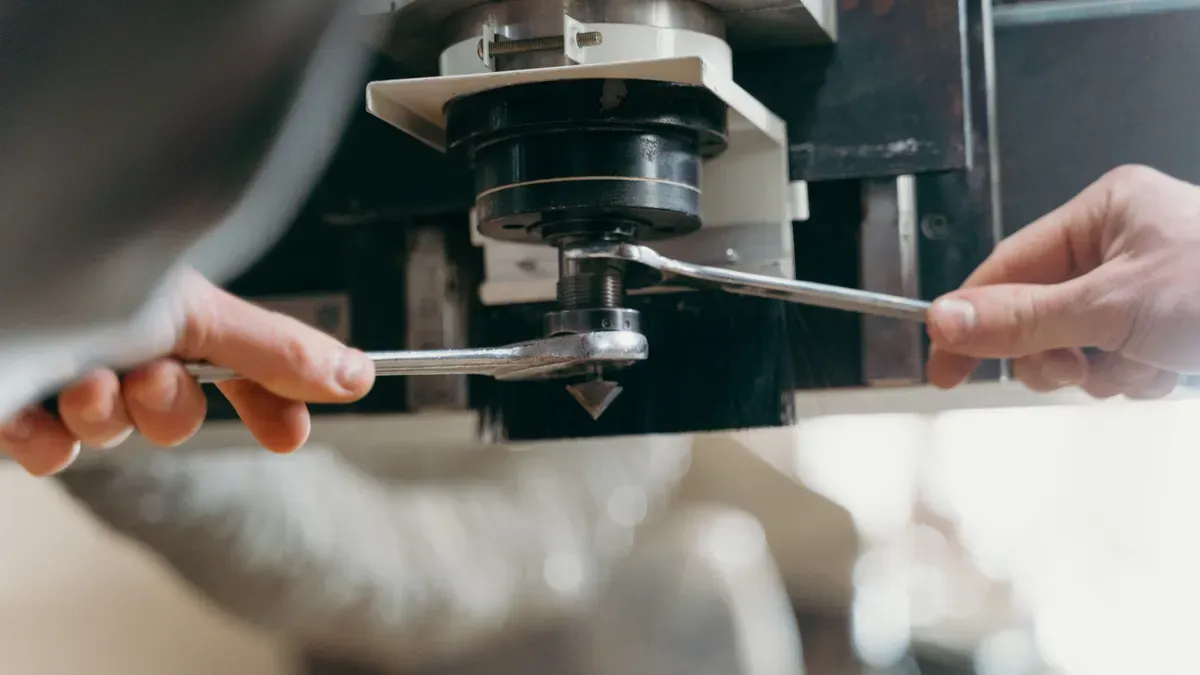
You see the most immediate savings in your tooling budget. Longer tool life means you purchase fewer cutting tools each month. You also spend less time on changeovers. Every minute your machine stops for a tool swap costs you production output. Kesh cutting fluid for brass reduces those interruptions significantly. Your operators keep machines running longer between maintenance windows. This efficiency compounds across every shift.
Energy consumption drops as well. The fluid’s superior lubrication reduces friction at the cutting interface. Lower friction means your machine spindle works less hard. Your motors draw less power. Over a full production year, these energy savings become substantial. You notice the difference in your utility bills.
The fluid’s long sump life delivers another layer of savings. Many cutting fluids degrade quickly and require frequent replacement. Kesh resists bacterial growth and maintains its performance properties longer. You extend the interval between fluid changes. You buy less fluid concentrate. You also reduce disposal costs, since you generate less waste product. Your maintenance team spends fewer hours on sump cleaning and fluid replenishment. They redirect that time to other productive tasks.
Consider the total cost of ownership. The initial price per gallon matters less than the complete operational picture. You factor in tool costs, energy usage, maintenance labor, and downtime. Kesh performs favorably across every category. Your machining operations become more profitable per part produced. You gain a competitive edge through lower unit costs.
Ensuring Safety and Meeting Environmental Standards
Your operators deserve a safe working environment. Standard cutting fluids can harbor harmful bacteria. These microbes cause skin irritation and respiratory issues. Kesh’s antibacterial properties inhibit microbial growth effectively. You reduce health risks for your team. You also minimize unpleasant odors that develop in bacterial sumps. Your factory floor becomes a more pleasant place to work.
The fluid also protects your equipment and workpieces from corrosion. Rust and oxidation damage expensive machinery over time. They also ruin finished brass parts. Kesh creates a protective film on metal surfaces. This barrier prevents moisture from causing corrosion. Your machines maintain their precision and calibration longer. Your finished parts arrive at customers in pristine condition.
Regulatory compliance becomes simpler with the right cutting fluids. Environmental agencies impose strict limits on waste disposal and chemical usage. Kesh’s extended sump life means you generate less hazardous waste. You reduce your compliance burden. You also lower your environmental footprint. Many factories report easier audits when they use high-quality cutting fluids.
You create a safer, cleaner, more compliant factory environment. Your operators stay healthy and productive. Your equipment lasts longer. Your waste disposal costs decrease. These benefits extend beyond the machining floor. They improve your company’s reputation with regulators and customers alike. The right cutting fluid becomes a strategic investment in your entire operation.
Kesh cutting fluid for brass delivers longer tool life, superior finishes, and efficient chip control. You reduce operational costs while boosting productivity. Your workplace becomes safer and more compliant. Evaluate Kesh today. This strategic investment optimizes your brass machining processes. You gain a lasting competitive edge. Choose cutting fluids that drive operational excellence.
FAQ
How does Kesh differ from other types of cutting fluids?
Standard types of cutting fluids often fail on brass. Kesh prevents galling and extends tool life significantly.
What financial benefits do Kesh cutting fluids provide?
Choosing the right cutting fluid lowers your costs. Kesh reduces tool purchases, energy consumption, and fluid replacement needs.
Does Kesh create a safer factory environment?
Yes. Unlike many types of cutting fluids, Kesh inhibits bacterial growth. This reduces health risks and minimizes unpleasant odors.