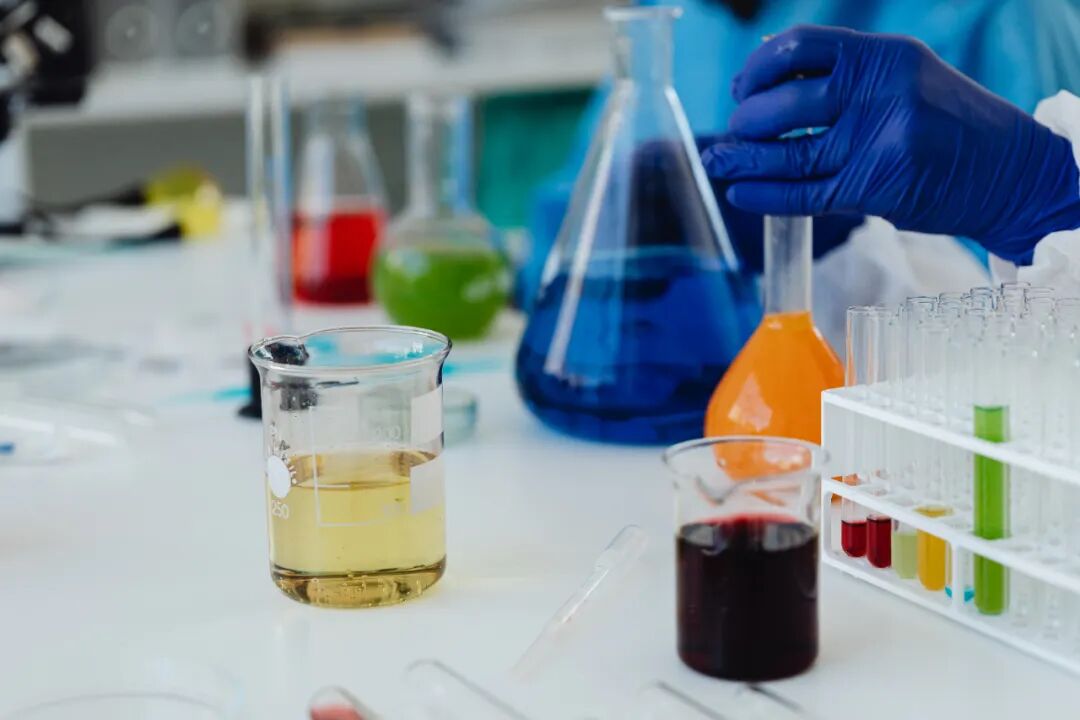
An industrial solvent cleaner is a chemical liquid. It dissolves contaminants like grease, oil, wax, and carbon residue from surfaces. This solvent ensures operational efficiency. You maintain product quality with this powerful solvent. This solvent is critical for industrial cleaning. We examine industrial solvents, their applications, and evolving use in 2026. The global market for these solvent cleaners will reach USD 1.5 billion.
Key Takeaways
Industrial solvent cleaners dissolve tough dirt like grease and oil to keep manufacturing equipment working efficiently.
Workers use specialized chemical solvents to clean metal parts, electronics, airplane components, and medical devices safely.
New environmental rules force factories to replace toxic chemicals with safer, eco-friendly green solvents by 2026.
What Are Industrial Solvent Cleaners?
Defining Industrial Solvent Cleaners
You use an industrial solvent cleaner to remove unwanted substances from surfaces. This chemical liquid does not change chemically itself. It simply dissolves or suspends contaminants. These contaminants include grease, oil, wax, and carbon residue. Industrial solvents are essential for many manufacturing processes. They help you maintain clean equipment and high product quality. You will find different types of solvents based on their chemical makeup.
Solvent Category | Key Defining Chemical Properties |
|---|---|
Oxygenated Solvents | High purity levels (99.0%–99.9%), refined through particulate/water removal processes, composed of alcohols, ketones, esters, and glycol ethers. |
Halogenated Solvents | Chlorinated hydrocarbon structure, distinctive pungent aroma, standardized distillation range, flash point, density, and color profile. |
Hydrocarbon Solvents | Formulated based on aliphatic versus aromatic hydrocarbon compositions. |
These categories show you the fundamental chemical differences. They also guide you in choosing the right solvent for your needs.
How Solvents Clean
You might wonder how a solvent actually cleans. Solvents work by dissolving or suspending contaminants. They break down the bonds holding dirt and grime to a surface. This process allows you to easily remove the unwanted material. The efficacy of a solvent depends on its molecular characteristics.
Solvent Type | Molecular Characteristic | Removal Mechanism |
|---|---|---|
Non-polar Solvents (e.g., Hexane) | Uniform electron distribution granting lipophilic (oil-attracting) properties | Dissolves and strips away hydrophobic, oil-based residues and grease |
Amphiphilic Solvents (e.g., Alcohols) | Dual molecular structure containing both hydrophilic and hydrophobic regions | Enables co-solvability with both aqueous and non-aqueous (oil) contaminants |
You choose a solvent based on the type of contaminant you need to remove. A non-polar solvent is excellent for oil-based residues. An amphiphilic solvent handles both water and oil-based dirt. This understanding helps you select the best solvent for your parts washer.
Main Types of Industrial Solvents
You will encounter several main types of industrial solvents. Each type has unique properties and applications. Understanding these types of solvents helps you make informed decisions.
Oxygenated solvents include alcohols, ketones, esters, and glycol ethers. These types of solvents are known for their high purity. Manufacturers refine them to remove particulates and water. You use them in many applications where precise cleaning is necessary.
Halogenated solvents contain chlorine atoms in their hydrocarbon structure. They often have a distinct, pungent aroma. These types of solvents have specific distillation ranges, flash points, and densities. You find them effective for heavy-duty cleaning tasks.
Hydrocarbon solvents are another major category. Their formulation depends on whether they are aliphatic or aromatic. These types of solvents are widely used. However, you must be aware of their risks.
Hydrocarbon naphtha solvents pose severe fire and explosion risks. Explosive atmospheric concentrations range between 1% and 6%. They also present toxicity risks. You can inhale them, absorb them through your skin, or ingest them. These solvents may have carcinogenic properties due to impurities from petroleum refining.
Despite these risks, hydrocarbon solvents offer specific benefits.
Characteristic Category | Specific Attribute / Property |
|---|---|
Evaporation & Curing | Rapid, consistent evaporation rate and stable curing process |
Environmental & Odor | Elevated Volatile Organic Compound (VOC) levels and pronounced solvent odor |
Resistance & Durability | High chemical resistance and superior performance in extreme environments |
Common applications of specialty hydrocarbon naphthas include:
Cleaning liquids and dry-cleaning agents
Diluents for asphalt, paint, and varnish
Solvents utilized in the rubber manufacturing industry
Fuel for cigarette lighters, portable camping stoves, and lanterns
When you consider the types of solvents, you must weigh their benefits against their risks. This is especially true for parts-cleaning solvents. You need to ensure safety in your parts washing operations.
Water-Based Alternatives to Solvent Cleaners
You also have water-based alternatives to traditional solvent cleaners. These cleaners use water as their primary base. They often include detergents or other additives to boost their cleaning power. While generally safer for the environment and workers, they may not offer the same efficacy as a strong solvent. For some heavy-duty parts washing or specific contaminant removal, a solvent-based cleaner remains the preferred choice. You might use water-based cleaners for lighter cleaning tasks or as a pre-wash. However, for tough jobs requiring powerful parts-cleaning solvents, you often turn to solvent-based parts washers. You must evaluate the specific cleaning challenge to choose between these cleaners.
Industrial Solvent Applications in 2026
You find industrial solvents indispensable across many industries. These powerful chemicals ensure product quality and operational efficiency. You use them for diverse applications, from preparing surfaces to maintaining complex machinery. This section explores the primary uses of industrial solvent cleaners in 2026. You will see how they contribute to various sectors.
Manufacturing and Metal Degreasing
You rely on industrial solvent cleaners for critical tasks in manufacturing. Metal degreasing is a prime example. You need to remove various contaminants from metal parts. These include heavy organic deposits like grease, crude oil, and lubricants. You also deal with resins, adhesives, and carbon residue buildup. Industrial sludge, tar, wax, and printing inks are other common issues.
In metalworking facilities, solvent cleaners act as powerful agents. They degrease metal parts. They also clear sticky substances. You strip residual inks, waxes, and adhesives from processing machinery. Industrial solvent degreasers use specialized organic compounds. These compounds break down and dissolve strongly adhered organic contaminants. They specifically target stubborn materials like heavy oils, dense greases, surface varnishes, and commercial adhesives.
You use specific solvent chemistries for different metals. For example, modified alcohols brighten brass. They preserve aluminum. You also scrub carbon smut off deep-drawn steel. Vacuum vapor degreasing systems deploy specialized solvent chemistries. You use these for critical precision degreasing. This ensures parts meet strict cleanliness standards.
Consider these specific applications:
Heavy Manufacturing: You clean components directly after CNC machining and stamping press operations. You remove cutting fluids, machining oils, and metal shavings.
Automotive Production: You degrease engine blocks, transmissions, and brake assemblies. You target dense grease and carbon buildup.
Aerospace: You perform high-precision degreasing. This prevents critical mechanical failure by removing microscopic residue.
General Metal Processing: You use hydrocarbon solvents like mineral spirits or kerosene. These dissolve oils on metal parts.
You ensure your parts washer effectively removes these contaminants. This step is vital for subsequent processes like painting or plating. The right solvent makes all the difference.
Automotive and Aerospace Surface Prep
You find industrial solvents crucial for surface preparation in automotive and aerospace industries. Before painting, bonding, or coating, surfaces must be impeccably clean. You remove oils, waxes, and other residues. Effective solvents ensure proper adhesion. This ensures proper adhesion and finish quality. In automotive production, you use solvents to prepare vehicle bodies. This includes cleaning components before welding or painting. You achieve a flawless surface. This requires a powerful solvent.
Aerospace manufacturing demands even higher precision. You clean critical components. This prevents contamination that could compromise structural integrity. The right solvents are key. You use specialized solvents for these tasks. They ensure surfaces are free from any foreign material. This application is vital for safety and performance. You often use a dedicated parts washer for these sensitive components.
Electronics and Precision Cleaning
You need extreme cleanliness in electronics manufacturing. Industrial solvents play a vital role here. You clean printed circuit boards (PCBs) and other delicate electronic components. Even microscopic contaminants can cause malfunctions. Specialized solvents address this. You use high-purity solvents for this precision cleaning.
For PCB manufacturing, you target specific substances. You eliminate residues left by solder flux. You also remove industrial adhesives. Miscellaneous surface contaminants are another concern. Solvents like N-Methyl-2-Pyrrolidone (NMP) are effective for these tasks. You ensure the reliability and longevity of electronic devices. These solvents are indispensable. This application demands the highest standards of cleanliness. You often use specialized parts washer systems for these delicate items.
Maintenance, Repair, and Overhaul [MRO]
You regularly use industrial solvents in Maintenance, Repair, and Overhaul (MRO) operations. You clean and prepare equipment for inspection or repair. Various solvents are available for different materials. This includes engines, machinery, and various components. You remove accumulated dirt, oil, and carbon. This ensures accurate diagnostics and effective repairs.
For example, you might clean engine parts in a dedicated parts washer. This removes stubborn carbon deposits and old lubricants. You ensure the parts are ready for reassembly. Many MRO facilities rely on robust solvent-based parts washers. These provide thorough cleaning for heavily soiled components. You choose the right solvent-based cleaner for each specific MRO task. This ensures efficiency and safety. You rely on effective parts-cleaning solvents.
Medical Device Manufacturing
You also find industrial solvents essential in medical device manufacturing. This industry demands the highest levels of cleanliness and sterility. You clean components before assembly or sterilization. This removes manufacturing residues, oils, and particulates. You ensure devices meet stringent regulatory standards. A suitable solvent is key.
For example, you clean surgical instruments. You also clean implantable devices. These require meticulous cleaning to prevent patient harm. You use specialized parts-cleaning solvents. These solvents are often high-purity and leave no residue. You rely on advanced parts washing systems. These systems ensure the integrity and safety of medical products. This application highlights the critical role of industrial cleaning in public health.
Future of Industrial Solvent Cleaners in 2026
Sustainability and Environmental Impact
You must consider the environmental impact of industrial solvents. Traditional solvent cleaners often release harmful substances.
Environmental Impact | Mechanism / Emission Type | Primary Ecological Consequences |
|---|---|---|
Air Pollution | Volatile Organic Compound (VOC) evaporation | Elevates ambient chemical levels, causing smog formation and long-term environmental degradation. |
Groundwater & Soil Contamination | Environmental persistence and low biodegradability | Migrates into soil and water bodies, leading to long-lasting contamination of drinking water and harming wildlife. |
Ozone Layer Depletion | Atmospheric release of chemical by-products (e.g., TCE, dichloromethane) | Releases breakdown products that degrade atmospheric ozone layers. |
You see a strong push for sustainability in the industry. Industrial facilities adopt onsite solvent recovery units. These units process and reclaim spent chemicals directly at the source. This approach minimizes virgin chemical inventory purchases. It lowers hazardous waste output. It also significantly decreases overall environmental impact. You will find many sustainable practices emerging:
Water-Based Systems: You transition to aqueous cleaning solutions.
Mechanical Agitation: You employ ultrasonic waves for high-efficiency parts cleaning.
PFAS Replacement: You substitute harmful persistent chemicals with lower-impact vapor degreasing solvents.
You also see innovations in green chemistry and technology.
Sustainability Initiative | Description & Application |
|---|---|
Green Chemistry | Utilizing ionic liquids (room-temperature liquid salts) as versatile, eco-benign alternatives to hazardous chemical solvents. |
AI & Robotics | Deploying autonomous cleaning robots to execute tasks precisely, optimizing cleaning agent usage and conserving resources. |
Nanotechnology | Applying nanocoatings to deter surface dirt and developing nanomaterials to boost the performance of eco-friendly agents. |
CSR & Transparency | Implementing formal reporting on resource metrics (waste, energy, and water reduction) within corporate sustainability frameworks. |
Evolving Regulatory Landscape
You face an evolving regulatory landscape for industrial solvents. Governments implement stricter rules to protect health and the environment. The EPA has issued prohibitions on toxic solvents like trichloroethylene (TCE). These regulations restrict the use of TCE in vapor degreasing and general parts cleaning.
Effective Date | Target Scope / Affected Operations | Regulatory Action / Restriction |
|---|---|---|
September 15, 2025 | General Industrial & Commercial Sectors | Phase-out compliance deadline for the majority of industrial and commercial TCE applications. |
December 18, 2026 | Chemical Processors (Reactants / Intermediates) | Ban on processing trichloroethylene as a reactant or intermediate product. |
December 18, 2026 | Specialized Processing Aids | Prohibitions take effect for battery manufacturing, polymer fiber spinning, fluoroelastomer and Alcantara manufacturing, caprolactam extraction, and beta-cyclodextrin precipitation. |
December 18, 2026 | Wastewater Management | Mandatory compliance deadline prohibiting the discharge of TCE into wastewater streams by chemical processing facilities. |
You must stay informed about these changes. They impact your choice of solvent and cleaning processes. You need to ensure compliance with all regulations.
Best Practices for Using Solvent Cleaners
You must follow best practices for using solvent cleaners. This ensures safety and efficiency. You need to protect your workers and the environment.
Personal Protection Equipment (PPE): You ensure personnel wear chemical-resistant gloves, protective eye goggles, and adequate respiratory equipment.
Ventilation: You perform operations in well-ventilated spaces. Use fume hoods or local exhaust mechanisms to minimize volatile organic compound (VOC) inhalation.
Ignition Prevention: You maintain a safe distance from sparks, open flames, hot surfaces, and electrical welding equipment.
Approved Containment: You utilize DOT/UN-rated, compatible storage units. These feature secure lids or flame-proof safety cans for flammable materials.
Proper Labeling: You affix clear labels detailing chemical contents, specific hazards, and necessary regulatory notices such as ‘Hazardous Waste’.
Spill Readiness: You position appropriate spill kits, absorbents, and neutralizing agents nearby. You ensure all workers are trained on spill protocols.
Storage & Inspection: You maintain compliant, closed storage containers in designated areas. Routinely check for signs of corrosion or leakage.
You also need effective waste management practices.
Source Reduction & Green Substitution: You decrease waste generation through regular equipment upkeep, process adjustments, and replacing traditional solvents with non-toxic, bio-based green solvents.
Solvent Recycling & Reuse: You purify and repurpose spent non-hazardous or small-quantity solvents. This lowers procurement costs and environmental footprints.
Energy Recovery: You incinerate solvents with high heat content in specialized industrial facilities. This generates steam or electrical energy.
Chemical Treatment: You neutralize, precipitate, or stabilize hazardous constituents. This transforms harmful solvents into safer residues prior to final release.
Landfill Disposal: You utilize highly regulated and specialized landfill sites. These sites have pollutant containment protocols as a final resort for non-recyclable wastes.
You segregate distinct solvent categories. This prevents hazardous chemical reactions. It also improves recycling efficiency. You mark containers with solvent identity, danger levels, and accumulation dates. This maintains safety and compliance. You use appropriate PPE and install spill containment and ventilation systems in storage areas. You utilize distillation units to separate solvents from contaminants. You apply filtration and adsorption technologies to extract solid particulates and impurities for solvent reuse. You modify operational procedures to minimize overall solvent volume required for industrial cleaning. These best practices for using solvent cleaners are crucial.
Innovations in Solvent Technology
You will see many innovations in solvent technology. These advancements enhance performance and reduce environmental impact.
Emerging Technology | Performance Enhancements | Environmental Benefits |
|---|---|---|
Supercritical Carbon Dioxide (scCO2) | High operational efficiency under gentle processing conditions for extraction, cleaning, and decaffeination | Non-toxic, fully recyclable alternative to harsh volatile organics |
Ionic Liquids & Deep Eutectic Solvents (DES) | Highly customizable physical/chemical properties suitable for catalysis and advanced separations | Extremely low volatility, reduced hazard profile, and reusable |
Aqueous Biphasic / Water-Based Systems | Expands the utility of non-toxic water in complex industrial chemical reactions | Utilizes non-toxic, universally available water to minimize toxic chemical waste |
Hybrid Solvent Systems | Boosts reaction rates, selectivity, and energy efficiency by combining green and classic solvents | Lowers total toxicity and chemical waste while maintaining industrial feasibility |
Nanotechnology Integration | Functions as a safe medium to synthesize nanoparticles, improving drug delivery, energy storage, and electronics | Replaces toxic chemical reagents with eco-friendly liquid media |
You also find bio-based solvents gaining traction.
Renewable Sourcing: Bio-based solvents synthesize from renewable feedstocks. This significantly lowers fossil fuel dependence and overall carbon footprints.
Lower Health Toxicity: They design to be far safer for industrial workers and surrounding ecosystems.
Enhanced Biodegradability: They formulate to degrade rapidly in nature. This prevents persistent environmental contamination.
Reduced Air Emissions: They engineer with lower Volatile Organic Compound (VOC) emissions. This protects regional air quality.
These innovations offer promising cleaning solutions for the future. You can choose a solvent-based cleaner that is both effective and environmentally responsible.
You recognize the essential role of industrial solvent cleaners. Their diverse applications demand the right solvent cleaner. In 2026, you prioritize sustainability, regulatory compliance, and worker safety. This drives a shift to safer, more efficient cleaning solutions. The continuous evolution of solvent technology and commitment to environmentally responsible industrial cleaning define this dynamic market. You choose the best solvent for your specific application, considering its environmental impact. These industrial solvents are key.
FAQ
What is the main purpose of an industrial solvent?
You use an industrial solvent to dissolve contaminants like grease and oil. This powerful solvent helps you maintain clean surfaces. You rely on this solvent for efficient operations. This solvent is essential.
Why are some industrial solvents being phased out?
You see some solvents phased out due to environmental and health concerns. Regulations aim to protect workers and the planet from harmful chemicals. You need to find an alternative solvent. This solvent must be safer.
Can I use water-based cleaners instead of a solvent?
You can use water-based cleaners for lighter cleaning tasks. However, a powerful solvent often works better for heavy-duty degreasing. You choose the right solvent for the job.