Choosing the right newborn baby clothes laundry detergent is crucial for your little one. Babies have delicate skin that absorbs chemicals more easily. Their thinner skin barrier and higher surface-area-to-body-weight ratio mean they can be more sensitive to irritants. Pediatric dermatologists recommend using fragrance-free and dye-free options to help keep your baby comfortable and safe.
Key Takeaways
Choose hypoallergenic and fragrance-free detergents to protect your baby’s sensitive skin from irritation.
Avoid harsh chemicals and dyes in laundry detergents to minimize the risk of allergic reactions and skin issues.
Conduct a patch test before fully switching detergents to ensure your baby does not have a negative reaction.
Why Choose the Right Detergent
Choosing the right detergent for your newborn’s clothes is essential for their comfort and health. Newborn skin is incredibly delicate, making it more susceptible to irritation. When you wash their clothes with the wrong detergent, you risk exposing them to harsh chemicals that can lead to discomfort.
Here are some common reactions you might see if you use unsuitable laundry detergents:
Redness or rashes
Dry patches or flaking skin
Increased sensitivity to touch
These reactions can be particularly concerning for babies with sensitive skin or conditions like eczema. Pediatricians recommend selecting hypoallergenic detergents to minimize allergic reactions. They also suggest opting for fragrance-free options to protect your little one from artificial scents that can irritate their skin.
The ingredients in many commercial detergents can pose risks. For instance, exposure to certain chemicals can impair the skin barrier, leading to allergic sensitization and skin inflammation. A study found that neonatal skin is more vulnerable to damage from laundry detergent ingredients, especially proteases, compared to adult skin. Higher concentrations of these detergents can significantly increase skin damage scores in infants.
To keep your baby safe, consider these recommendations:
Choose hypoallergenic detergents.
Opt for fragrance-free products.
Select detergents free of harsh chemicals and dyes.
Using the right newborn baby clothes laundry detergent not only helps prevent irritation but also promotes overall skin health. Remember, even if your baby seems fine with regular detergent, it’s best to err on the side of caution. Harsh chemicals can linger on fabrics, posing risks to sensitive skin.
Key Factors for Baby Laundry Detergent
When it comes to selecting the right baby laundry detergent, several key factors can help you make an informed choice. Understanding these factors ensures that you prioritize your newborn’s skin sensitivity and overall health.
Hypoallergenic Properties
Choosing a hypoallergenic detergent is crucial for your baby’s delicate skin. These detergents are specially formulated to minimize allergic reactions. Think of it this way: using regular detergent on baby clothes is like using a rough scrub brush on delicate flower petals. You want to protect that fragile skin barrier from unnecessary irritants. Hypoallergenic options lack harsh chemicals, fragrances, and dyes that can irritate sensitive skin. Dermatologists recommend these gentle detergents to keep your little one comfortable and safe.
Fragrance-Free Options
Fragrance-free detergents are another essential consideration. The term “fragrance” on ingredient lists often hides a mix of chemicals with limited safety data. Many commercial detergents contain artificial fragrances that can lead to allergic sensitivities. Instead, look for products labeled “Fragrance-Free” or “Free & Clear.” These options ensure that no harmful scent ingredients are present, reducing the risk of skin irritation. Remember, your baby’s skin is still developing, and exposure to synthetic fragrances can sensitize their immune system.
Ingredients to Avoid
It’s vital to be aware of harmful ingredients commonly found in baby laundry detergents. Here’s a quick list of ingredients you should steer clear of:
Toxic fragrances
Artificial dyes
Optical brighteners
Harsh preservatives
These components can irritate your baby’s skin and may even lead to long-term sensitivities. Always check the label and opt for products that are free from these harmful substances.
Eco-Friendly Choices
Eco-friendly baby laundry detergents offer additional benefits. They often use plant-based surfactants, which are gentler on the skin compared to petroleum-derived alternatives. Many eco-friendly options also come with certifications like EWG Verified or EPA Safer Choice, ensuring the safety of all ingredients. Plus, they typically avoid harmful chemicals, making them a safer choice for your baby and the environment.
Using concentrated powder formats can also enhance safety by eliminating the need for synthetic preservatives. By choosing eco-friendly detergents, you not only protect your baby’s skin but also contribute to a healthier planet.
Criteria | Description |
|---|---|
Hypoallergenic properties | Detergents should be free from common allergens to prevent skin irritation in babies. |
Absence of harsh chemicals | Look for products without toxic fragrances, dyes, and optical brighteners that can irritate skin. |
Certifications | Products should have certifications like EWG Verified or EPA Safer Choice to ensure ingredient safety. |
By keeping these key factors in mind, you can confidently choose a baby laundry detergent that prioritizes your newborn’s skin sensitivity and overall well-being.
Recommended Brands for Newborn Baby Clothes Laundry Detergent
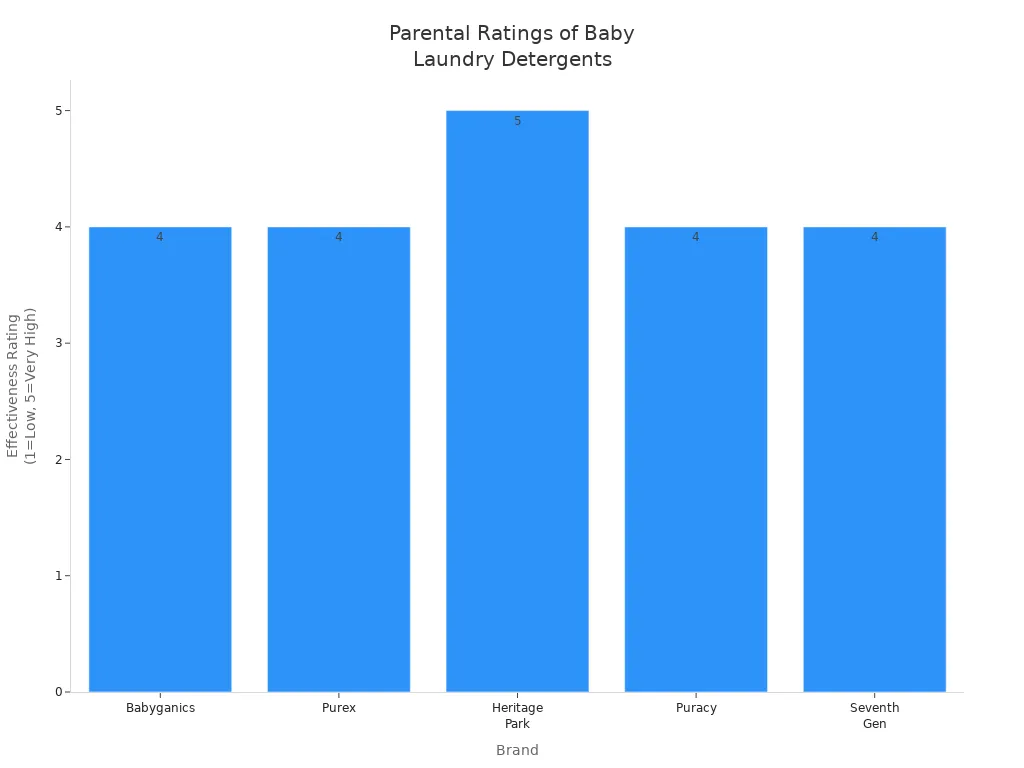
When it comes to choosing a detergent for baby clothing, you want to stick with trusted brands that prioritize safety and effectiveness. Here are some top-rated options that parents love:
Brand Name | Features | Pros | Cons |
|---|---|---|---|
Transparent ingredient list, effective in hard and soft water | – Transparent Ingredient List | – Higher price | |
Newborn Liquid Laundry Detergent | Formulated specifically for newborns | – Addresses unique needs of fresh baby skin | – May need to transition for toddlers |
Tide Pods Free & Gentle | Convenient pods with hypoallergenic properties | – Hassle-Free Use | – Needs safe storage |
Noodle & Boo Ultra-Safe Laundry Detergent | Plant-based formula, mild scent | – Mild Scent | – Pricier than others |
Tide Free & Gentle | Dermatologist recommended, free of harmful chemicals | – Trusted by dermatologists | – Some miss the scent |
Two brands that stand out are Seventh Generation and Dreft. Seventh Generation uses eco-friendly, plant-based ingredients and offers a hypoallergenic formula that’s free of fragrances and dyes. This makes it suitable for sensitive skin. On the other hand, Dreft has a long-standing reputation and is pediatrician-recommended. It’s specifically formulated for newborns and is also free of dyes and perfumes.
Plant-based formulas provide several benefits for your little one. They often feature a fragrance-free formulation, ensuring no irritating scents linger on your baby’s clothes. Many of these products are EWG Verified or EPA Safer Choice certified, confirming the safety of their ingredients. Plus, plant-based surfactants are gentler on delicate skin, minimizing irritation while effectively tackling common baby stains.
By choosing a baby-specific detergent, you can rest easy knowing you’re making a safe choice for your newborn.
Testing New Baby Laundry Detergent
Patch Testing
Before fully committing to a new laundry detergent, it’s wise to conduct a patch test. This simple step can help you identify any potential skin reactions. Here’s how to do it:
Wash Baby’s Items Separately: Keep your baby’s clothes away from harsher detergents used on other items. This prevents any unwanted residues from affecting their clothes.
Choose the Right Water Temperature: Use warm water to clean effectively without damaging delicate fabrics.
Run an Extra Rinse Cycle: This extra step helps remove any leftover detergent that could irritate your baby’s sensitive skin.
By following these steps, you can ensure that your little one’s clothes are safe and gentle on their skin.
Gradual Introduction
When introducing a new detergent, take it slow. A gradual approach can help minimize any potential skin irritation. Here are some best practices to follow:
Use half the amount of detergent recommended for adult clothing. This reduces the risk of irritation.
For standard machines, use 1-2 tablespoons of liquid detergent; for high-efficiency machines, stick to about 1 tablespoon.
Adjust the amount based on water hardness. If you live in a hard water area, increase the detergent by 25%.
Pre-wash new baby clothes to remove residues and allergens. This ensures gentler contact with your baby’s skin.
As you make the switch, keep an eye out for any signs of irritation. Monitor for redness, rashes, or excessive fussiness. If you notice any concerning symptoms, consult your pediatrician.
Signs to Monitor | Description |
|---|---|
Redness | Redness where clothes touch (e.g., neckline, cuffs) |
Flares | Skin flares after laundry day |
Fabric Reaction | Fabrics that feel stiff or have a strong scent |
Rash Symptoms | Rash that spreads quickly, oozes, crusts, or hives appear – seek medical advice |
By taking these precautions, you can help ensure that your baby’s laundry routine remains safe and comfortable.
Choosing the right laundry detergent for your newborn is essential for their comfort and safety. Remember to:
Opt for fragrance-free and dye-free options.
Look for minimal additives to avoid skin irritation.
Ensure effective cleaning at lower temperatures.
By making informed choices, you can protect your baby’s delicate skin and promote their well-being. Always consult resources like the EWG for safe product ratings. Your baby’s comfort starts with the right detergent! 🍼✨
FAQ
What should I look for in a baby laundry detergent?
Look for hypoallergenic, fragrance-free options that avoid harsh chemicals. This helps protect your baby’s sensitive skin.
Can I use regular detergent for my newborn’s clothes?
It’s best to avoid regular detergents. They often contain irritants that can harm your baby’s delicate skin.
How often should I wash my baby’s clothes?
Wash your baby’s clothes after every use, especially if they get soiled. Frequent washing keeps their clothes clean and safe.