Keeping your home clean is essential, but what about your furry friends? Using safe cleaning products, including a reliable chemical cleaning agent, ensures their health and well-being. Unfortunately, many commercial cleaners contain harmful chemicals that pose risks. Recent statistics show that 67% of households in the United States own pets, making it crucial to choose pet-friendly solutions.
Common health risks from commercial cleaners include:
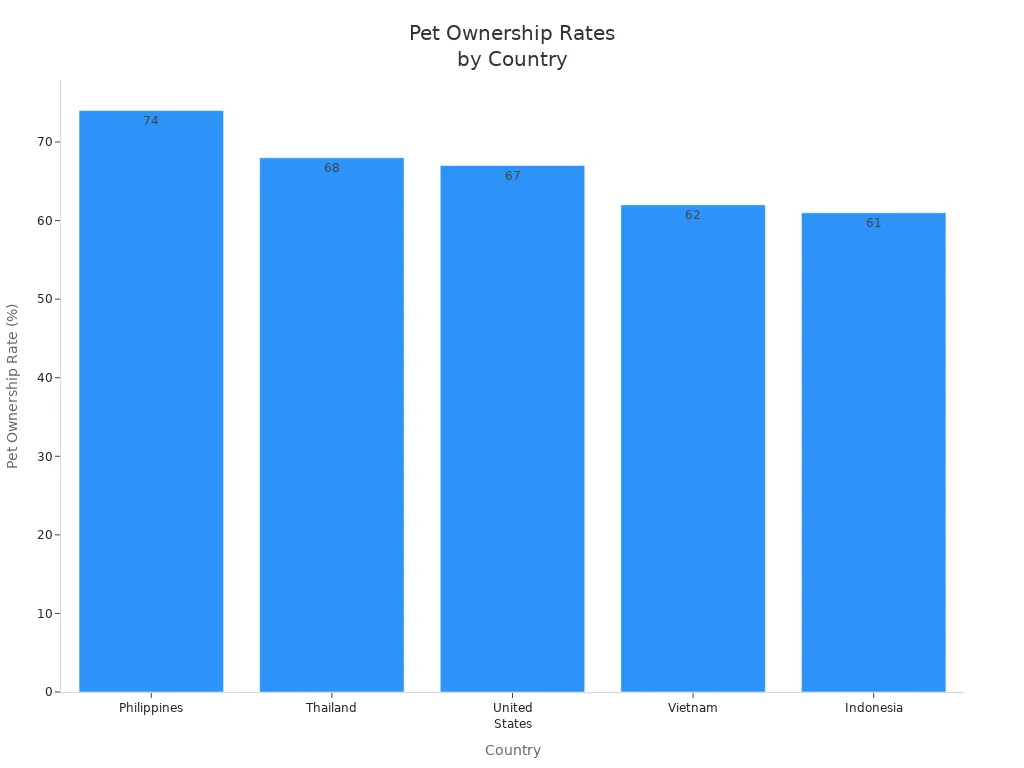
With more pets in homes, the need for safe cleaning products, including effective chemical cleaning agents, has never been greater.
Key Takeaways
Choose pet-friendly cleaning products to protect your furry friends from harmful chemicals. Look for brands that use natural ingredients.
Be aware of the symptoms of toxic exposure in pets, such as vomiting or lethargy. Always read labels to avoid harmful ingredients.
Create your own cleaning solutions using safe ingredients like vinegar and baking soda. This not only saves money but also keeps your home safe for pets.
Risks of Commercial Cleaners
When you reach for that bottle of commercial cleaner, you might not realize the potential dangers lurking inside. Many traditional cleaning products contain harmful ingredients that can pose serious risks to your furry friends. Here’s a closer look at what you should be aware of.
Harmful Ingredients
Some common chemicals found in commercial cleaners are known to be toxic to pets. Here’s a list of the most frequently linked culprits:
Ammonia
Bleach
Chlorine
Formaldehyde
Phenol
Isopropyl Alcohol
These substances can cause a range of health issues for your pets, from mild irritation to severe toxicity. For instance, phenols, often found in disinfectants, can lead to drooling, vomiting, and even respiratory distress. It’s crucial to read labels carefully and avoid products containing these harmful ingredients.
Symptoms of Toxic Exposure
If your pet comes into contact with these toxic cleaners, you might notice some alarming symptoms. Here are some signs to watch for:
Diarrhea
Vomiting
Seizures
Respiratory infection
Chemical burns
Liver failure
Kidney failure
Itching, scratching, redness, or sores
Pets can suffer from residue exposure, leading to ingestion during grooming. This can result in symptoms like oral irritation and excessive drooling. In severe cases, exposure to quaternary ammonium compounds can lead to oral ulcerations and respiratory distress. Even essential oils, often considered natural, can cause severe liver damage in pets, especially cats, who struggle to metabolize certain compounds.
Keeping your home clean is important, but it’s equally vital to ensure that the products you use are safe for your pets. Opting for biodegradable and pet-friendly cleaning solutions can help you maintain a clean environment without compromising your furry friends’ health.
Pet-Safe Cleaning Products
When it comes to keeping your home clean without putting your pets at risk, choosing the right products is key. Here are some recommended brands that prioritize pet safety:
Recommended Brands
The Pink Stuff: This brand boasts 99% natural ingredients. It’s environmentally non-toxic and not tested on animals, making it a great choice for pet owners.
Method Cleaning Spray: Made from plant-based ingredients, this cleaner is biodegradable and non-toxic. It’s perfect for homes with pets, ensuring a safe environment while still tackling tough messes.
These brands offer effective cleaning solutions without compromising your furry friends’ health.
Key Features to Look For
When shopping for pet-safe cleaning products, keep an eye out for these important features:
Look for residue-free cleaners that leave no harmful residues behind.
Choose products with plant-based ingredients and ingredient transparency. You want to know exactly what’s in the products you use.
Consider DIY solutions like vinegar and water for safe cleaning. They’re simple and effective!
Seek disinfectants such as hydrogen peroxide, citric acid, or thymol as safer alternatives to harsh chemicals.
Avoid products containing ammonia, bleach, or vague terms like fragrance. These can be harmful to your pets.
By focusing on these features, you can ensure that your cleaning routine is safe for both your home and your beloved pets.
DIY Non-Toxic Cleaning Solutions
Creating your own cleaning solutions can be a fun and rewarding experience. Not only do you save money, but you also ensure that your home stays safe for your pets. Let’s explore some natural ingredients that you can use to whip up effective homemade cleaners.
Natural Ingredients
Here are some of the most commonly used natural ingredients in DIY pet-friendly cleaning solutions:
Vinegar: A powerful disinfectant that can tackle odors and stains.
Lemon Juice: Its acidity helps cut through grease and leaves a fresh scent.
Baking Soda: This versatile ingredient acts as a mild abrasive and deodorizer.
Hydrogen Peroxide: A great option for disinfecting surfaces without harsh chemicals.
Liquid Soap: A gentle cleaner that can help lift dirt and grime.
These ingredients are not only effective but also safe for your furry friends when used correctly.
Simple Recipes
Now that you know the natural ingredients, let’s dive into some simple recipes you can make at home. These solutions are easy to prepare and can help keep your home sparkling clean.
All-Purpose Cleaner:
Mix equal parts of distilled white vinegar and water in a spray bottle.
This solution works wonders on hard surfaces like countertops and glass.
Baking Soda Scrub:
Combine 3 tablespoons of baking soda, 1 tablespoon of salt, and 1 tablespoon of water to create a paste.
Apply this paste to grimy areas like stove tops or sinks. Let it sit for a few minutes before scrubbing to remove the build-up.
Lemon Freshener:
Mix the juice of one lemon with 2 cups of water and a few drops of liquid soap.
Use this mixture to clean surfaces and enjoy the fresh scent it leaves behind.
Using homemade cleaning products not only reduces packaging waste but also minimizes the environmental impact associated with the production and transportation of commercial cleaners. Plus, you can feel good knowing that you’re using non-toxic solutions that are safe for your pets.
Here’s a quick comparison of homemade cleaning solutions versus commercial alternatives:
Precaution | Homemade Cleaning Solutions | Commercial Alternatives |
|---|---|---|
Ammonia Use | Not recommended around pets due to sensitivity | Varies by product, some may be pet-safe |
Ventilation | Required when using ammonia | Generally recommended for all cleaning products |
Protective Gear | Gloves and masks advised | Depends on product safety guidelines |
By opting for DIY non-toxic cleaning solutions, you can create a safe environment for your pets while keeping your home clean and fresh.
Tips for Safe Cleaning Practices
Keeping your pets safe while cleaning is essential. Here are some practical tips to help you maintain a clean home without compromising your furry friends’ health.
Proper Ventilation
Always ensure good airflow when you clean. Open windows and doors to let fresh air circulate. This helps reduce the concentration of any fumes from cleaning products. If you’re using stronger cleaners, consider using fans to improve ventilation. Remember, your pets can be sensitive to smells, so keeping the air fresh is crucial for their comfort.
Storage and Handling
How you store and handle cleaning products matters. Here are some guidelines to follow:
Store cleaning products out of reach: Keep them in cabinets or high shelves where your pets can’t access them.
Use child-proof locks: If you have curious pets, consider installing locks on cabinets to prevent accidental exposure.
Label everything clearly: Make sure all containers are labeled. This helps you quickly identify what’s safe and what’s not.
Dispose of unused products safely: Follow local guidelines for disposing of hazardous materials. Never pour them down the drain or throw them in the trash without checking.
By following these tips, you can create a safer cleaning environment for your pets. Remember, using eco-friendly products can also minimize risks while keeping your home sparkling clean!
Switching to non-toxic cleaners benefits both your pets and your home. A clean environment promotes your furry friends’ health and happiness. Check out these long-term benefits of using pet-safe products:
Benefit | Description |
|---|---|
Ensures safety for both pets and humans. | |
Alcohol Free | Reduces the risk of irritation for sensitive pets and humans. |
Hypoallergenic | Minimizes allergic reactions in both pets and humans. |
Lickable & Non-toxic | Safe for pets if ingested, promoting peace of mind for pet owners. |
Antibacterial, Antifungal, & Antiviral | Protects against harmful germs, contributing to a healthier environment for pets and humans. |
Make the switch today for a cleaner, safer home!
FAQ
What are the benefits of using pet-friendly cleaning products?
Pet-friendly cleaning products keep your home safe for pets, reduce allergy risks, and minimize exposure to harmful chemicals.
Can I use essential oils for cleaning around pets?
Some essential oils can be toxic to pets. Always research specific oils and consult your vet before use.
How can I ensure my homemade cleaners are safe for pets?
Use natural ingredients like vinegar, baking soda, and lemon juice. Avoid harsh chemicals and always test in small areas first.