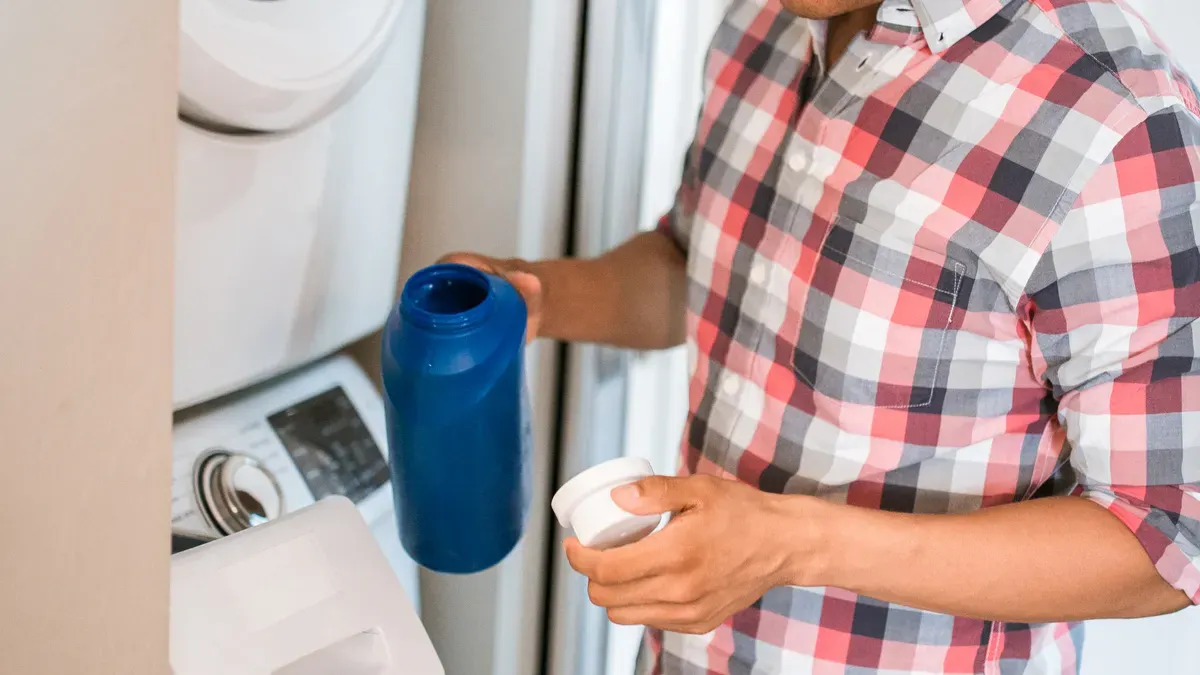
Making your own laundry detergent has fantastic benefits! You save money and help the environment by avoiding harsh chemicals. With just a few simple ingredients, you can create bulk laundry detergent that lasts. Plus, the process is simple and fun. Why not give it a try?
Key Takeaways
Making your own laundry detergent saves money and reduces environmental impact. Enjoy cleaner clothes without harsh chemicals.
Gather essential ingredients like Borax, Washing Soda, and Liquid Castile Soap. These create a powerful and effective detergent.
Store your homemade detergent in an airtight container and label it with the date. This keeps it fresh and effective for your laundry needs.
Ingredients and Equipment
Creating your own homemade laundry detergent is not only fun but also allows you to control what goes into your cleaning products. Let’s dive into the key ingredients and the essential equipment you’ll need to get started.
Key Ingredients for Homemade Detergent
Here are some common ingredients you’ll want to gather for your homemade laundry detergent recipe:
Ingredient | Function |
|---|---|
Freshens, deodorizes, lifts dirt and stains | |
Washing Soda | Freshens and deodorizes |
Liquid Castile Soap | Main cleaning agent, lifts dirt and cleans |
Baking Soda | Neutralizes and absorbs odors, softens water |
Zote Laundry Bar Soap | Deep cleans, brightens fabrics |
Fels Naphtha Laundry Bar Soap | Targets grease and oil, fights stubborn stains |
Laundry Scent Beads (Optional) | Adds long-lasting fragrance, acts as a fabric softener |
These ingredients work together to create a powerful yet cost-effective solution for your laundry needs. For instance, Borax and Washing Soda help to soften hard water, which boosts the effectiveness of your detergent.
Tip: If you have sensitive skin, consider using hypoallergenic ingredients. Many homemade laundry detergents are less likely to cause allergic reactions compared to commercial products.
Essential Equipment for Making Your Own Laundry Detergent
You don’t need fancy equipment to whip up your own DIY laundry detergent. Here’s a simple list of what you’ll need:
Grater: For grating bar soap like Fels-Naphtha or Zote.
Mixing Bowl: A large bowl to combine all your ingredients.
Storage Container: An airtight container to keep your detergent fresh.
Measuring Cups and Spoons: For accurate measurements of each ingredient.
Spoon or Whisk: To mix everything thoroughly.
Make sure to clean your kitchen equipment regularly to avoid cross-contamination. This is especially important if you use the same tools for food preparation.
Note: Using homemade laundry detergent may void the warranty of your washing machine, so check your manufacturer’s guidelines before proceeding.
Now that you know what you need, you’re one step closer to making your own homemade laundry detergent!
Step-by-Step Laundry Detergent Recipe
Mixing Ingredients for Bulk Laundry Detergent
Now that you have your ingredients and equipment ready, it’s time to mix everything together! Follow these simple steps to create your own bulk laundry detergent:
Grate the Soap: Start by grating the Fels-Naptha or Zote soap using your grater. You want to create fine shavings that will dissolve easily in water.
Combine the Ingredients: In your mixing bowl, combine the grated soap with the following ingredients:
1 cup of Borax
1 cup of Washing Soda
1 cup of Baking Soda
Optional: 1 cup of laundry scent beads for fragrance
Mix Thoroughly: Use a spoon or whisk to mix all the ingredients well. Make sure there are no clumps and everything is evenly distributed.
Customize Your Detergent: If you want to add a personal touch, consider incorporating essential oils. A few drops of lavender or lemon oil can give your detergent a pleasant scent. Just remember, a little goes a long way!
Test Your Detergent: Before using your homemade laundry detergent on a full load, test it on a small batch of laundry to ensure it meets your cleaning needs.
Tip: Using baking soda and washing soda enhances the cleaning effectiveness of your homemade laundry detergent. Avoiding bleach prevents unintentional staining and skin irritation.
Storing Your Homemade Laundry Detergent
Once you’ve mixed your detergent, it’s important to store it properly to maintain its effectiveness. Here’s how to do it:
Choose an Airtight Container: Use a large, airtight container to keep your detergent fresh. A glass jar or a plastic bin with a tight lid works well.
Label Your Container: Don’t forget to label your container! Write “Homemade Laundry Detergent” on it, along with the date you made it. This helps you keep track of freshness.
Store in a Cool, Dry Place: Keep your detergent in a cool, dry area away from moisture. This will help prevent clumping and ensure it stays effective.
Note: If you notice your detergent isn’t dissolving properly in cold water washes, it might be due to insufficient agitation or overloading the washer. Reducing the amount of clothing in a load can help.
By following these steps, you’ll have a large batch of homemade laundry detergent ready to tackle your laundry needs. Not only will you save money, but you’ll also enjoy the satisfaction of making your own cleaning products!
Making your own laundry detergent offers great benefits. You save money and reduce your environmental impact. Homemade detergents contain fewer harmful chemicals, leading to less chemical runoff and minimal packaging waste:
Benefit | Explanation |
|---|---|
Homemade detergents contain fewer harmful chemicals, leading to less runoff into waterways. | |
Minimal Packaging Waste | Making your own detergent often involves using minimal packaging, reducing overall waste. |
You’ll also find that your clothes come out clean and fresh. So why not give it a try? Share your experiences with us!
FAQ
What is the difference between homemade and store-bought laundry detergent?
Homemade laundry detergent powder often contains fewer chemicals and is more eco-friendly than store-bought options.
How much homemade laundry detergent should I use per load?
Use about 1-2 tablespoons of your homemade laundry detergent powder for a standard load of laundry.
Can I use homemade detergent in high-efficiency washers?
Yes, you can use homemade laundry detergent powder in high-efficiency washers. Just ensure it dissolves well in water.