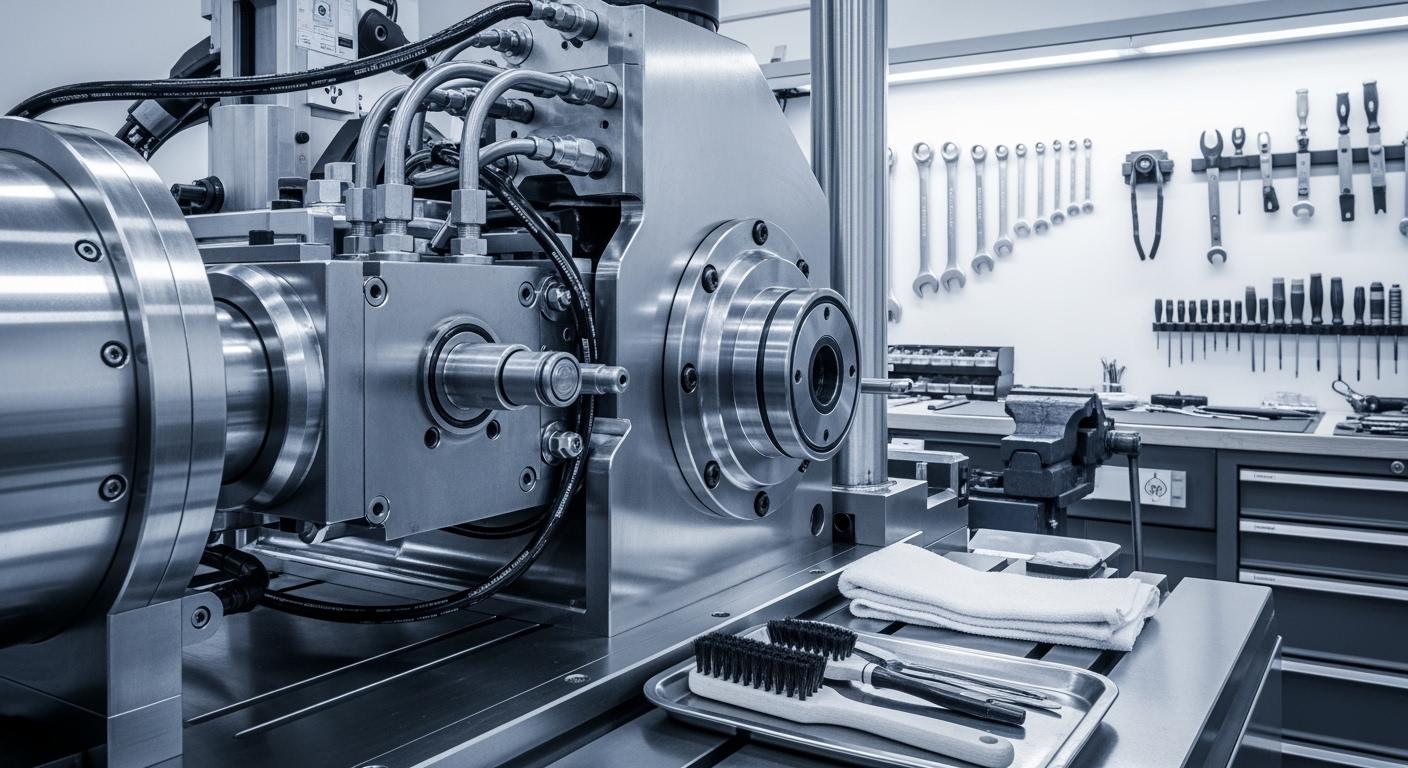
Keeping your equipment clean is crucial for its longevity and performance. Regular maintenance can prevent costly repairs and replacements. For instance, a study found that 92% of drinking water depots met hygiene standards, showing a direct link between cleanliness and quality. So, don’t overlook the power of a good equipment cleaner!
Key Takeaways
Regular cleaning boosts equipment performance and efficiency. Clean machines operate better and last longer.
Neglecting maintenance can lead to costly repairs and safety hazards. Stay proactive to avoid major issues.
Use the right cleaning supplies and methods for effective results. Invest in specialized cleaners and follow a structured cleaning process.
Why Clean Equipment?
Benefits of Regular Cleaning
Keeping your equipment clean is not just about appearances; it plays a vital role in extending its lifespan and ensuring optimal performance. Here are some key benefits of regular cleaning:
Enhanced Performance: Clean equipment operates more efficiently. Dust and debris can hinder functionality, leading to smoother operations and increased efficiency.
Early Detection of Issues: Regular cleaning allows you to spot wear and tear before it escalates into a major problem. This proactive approach can save you from costly repairs down the line.
Safety First: A clean workspace reduces the risk of accidents. Regular cleaning helps identify potential hazards, ensuring a safer environment for everyone involved.
Investment Protection: Well-maintained equipment retains its value better. When it comes time to sell or upgrade, you’ll likely see a higher return on your investment.
Research supports these claims. For instance, regular cleaning reduces wear and tear on machinery, which leads to a longer lifespan. Clean machines also maintain better temperature control, preventing overheating. This not only extends operational life but also minimizes downtime by reducing the risk of part failures.
Risks of Neglecting Maintenance
On the flip side, neglecting maintenance can lead to serious consequences. Here are some risks associated with ignoring regular cleaning:
High Repair Costs: Small issues can quickly escalate into significant problems, resulting in higher repair expenses.
Reduced Lifespan: Lack of maintenance accelerates wear and tear, leading to premature replacements.
Safety Hazards: Poorly maintained equipment can create dangerous situations, potentially leading to accidents.
Decreased Efficiency: Unplanned breakdowns disrupt workflow, impacting productivity and profitability.
Missed Insights: Without a maintenance plan, valuable performance data is lost, hindering informed decision-making.
Neglecting cleaning and maintenance can also lead to various contaminants accumulating on equipment surfaces. Common issues include moisture ingress, dust contamination, and seal deterioration. These factors can grind away at metal surfaces, leading to corrosion and other damage.
Equipment Cleaner Essentials
Cleaning Supplies and Tools
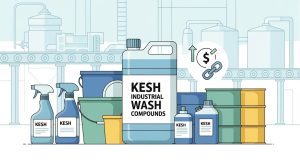
When it comes to cleaning your equipment, having the right supplies and tools is essential. Here’s a list of must-have items that can help you keep everything in top shape:
All-Purpose Cleaners: These versatile cleaners work on various surfaces, making them a great starting point for most cleaning tasks.
Glass Cleaners: Perfect for keeping windows and mirrors spotless, ensuring clear visibility.
Toilet Bowl Cleaners: Specifically designed for toilets, these cleaners tackle tough stains and odors.
Floor Cleaners: Choose cleaners suitable for your flooring type, whether it’s tile, carpet, or hardwood.
For heavy machinery, you might want to consider specialized cleaning agents. Here are some effective options for removing grease and grime:
Solvent-Based Degreasers: Great for heavy oils, but be cautious as they can be harmful to the environment.
Water-Based Degreasers: These are safer for most surfaces and more environmentally friendly.
Biodegradable Degreasers: Made from natural materials, they’re perfect for sensitive areas.
Emulsion Degreasers: These combine the properties of solvents and water, making them versatile for various applications.
Foaming Degreasers: They stick to surfaces longer, increasing contact time for better cleaning results.
Safety Equipment
Cleaning equipment, especially in industrial settings, can involve hazardous materials. Therefore, using the right safety equipment is crucial. Here’s a table of recommended safety gear to keep you protected while you clean:
Safety Equipment | Description |
|---|---|
Wet and dry vacuum cleaners | Essential for extracting hazardous substances without leaving residue. |
Safety vacuum systems | Designed specifically for safely handling hazardous materials during cleaning. |
Always prioritize safety when cleaning. Wearing gloves, goggles, and masks can protect you from harmful chemicals and debris. Remember, a clean workspace is not just about the equipment; it’s also about keeping yourself safe!
By investing in the right cleaning supplies and safety equipment, you can ensure that your cleaning routine is effective and safe. This will help maintain your equipment cleaner and extend its lifespan.
Effective Cleaning Methods
Cleaning heavy equipment requires specific methods to ensure thoroughness and safety. Here are some effective cleaning methods tailored for heavy machinery:
Cleaning Method for Heavy Equipment
When it comes to clean heavy equipment, several manual cleaning techniques stand out. These methods not only ensure cleanliness but also protect the equipment from damage. Here are some popular options:
Low-pressure particle blasting: This method uses a specialized blast gun with compressed air and a fine abrasive mixed with water. It allows for precise control and minimizes surface abrasion, making it ideal for delicate areas.
High-pressure cleaning: This can be performed at low pressures to avoid damage. Adjustable nozzles help achieve different cleaning effects. Using hot water can significantly reduce cleaning time and improve effectiveness.
Steam cleaning: This technique is effective for sensitive surfaces. It uses high temperatures to remove tough residues and kill spores, reducing the need for chemical biocides.
Each of these methods has its advantages, but they also require careful handling to avoid damaging the equipment or harming the environment.
Step-by-Step Cleaning Process
To maximize the longevity of your equipment, follow this detailed step-by-step cleaning process for construction equipment cleaning:
Assemble all washing products and place the machinery in a contained wash rack with a closed-loop system. Ensure you wear personal protective equipment (PPE).
Manually pry large dry chunks of material from the chassis and undercarriage.
Collect and dispose of debris chunks to prevent hazards.
Spray the entire machine with a water cannon to remove large debris.
Manually remove grease accumulations.
Apply detergent sparingly, focusing on visible contamination.
Allow cleaning solvents to sit for 15 minutes to ½ an hour.
Use the water cannon again, starting from the top of the machine.
Detail tight places, seams, and joints with smaller pressure washers and hand scrubbing.
Clean hoses, rubber tires, and polish glass surfaces.
Vacuum and hand-wipe cab interiors, avoiding high-pressure washing inside cabs.
Allow the machine to air dry, using compressed air if necessary.
Inspect the wash pad and clean it, disposing of solid waste.
Following this structured approach ensures that your equipment receives the attention it needs for optimal performance. Remember, regular cleaning and maintenance not only enhance the lifespan of your machinery but also contribute to a safer working environment.
When considering cleaning methods, it’s essential to weigh the environmental impacts. Harsh cleaning chemicals can lead to contamination of water sources and soil, adversely affecting wildlife and ecosystems. Implementing proper waste management practices can help reduce these negative effects.
By adopting these effective cleaning methods, you can maintain your equipment in top condition, ensuring it serves you well for years to come.
Regular cleaning is essential for your equipment’s longevity and performance. It enhances productivity, extends lifespan, and reduces unplanned downtime. 🛠️
To protect your investment, create a cleaning routine. Keep detailed records of maintenance activities to track performance over time. Remember, a clean machine is a happy machine!
FAQ
What is the best frequency for cleaning equipment?
Aim to clean your equipment at least once a month. However, high-use equipment may need weekly cleaning to maintain optimal performance.
Can I use household cleaners on heavy machinery?
No, household cleaners may not be effective. Use specialized industrial cleaners designed for heavy machinery to ensure proper maintenance and safety.
How can I safely dispose of cleaning chemicals?
Check local regulations for hazardous waste disposal. Many communities offer collection events for safe disposal of chemicals and cleaning agents.