How to Make Safe Choices in Industrial Cleaning Solutions
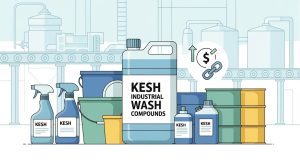
Choosing safe industrial cleaning solutions is crucial. Using the wrong products can lead to health hazards and environmental damage. You need to understand your specific cleaning needs to make informed decisions. Prioritizing safety not only protects you but also contributes to a healthier workplace and planet.
Key Takeaways
Identify the types of contamination you face to choose the right cleaning solution. Different contaminants require different approaches.
Always check surface compatibility before using cleaning agents. This prevents damage to sensitive materials and ensures effective cleaning.
Prioritize eco-friendly cleaning solutions. They are safer for users and the environment, and often more cost-effective in the long run.
Cleaning Requirements
Contamination Types
When it comes to industrial cleaning, identifying the types of contamination you face is essential. Different contaminants require different cleaning approaches. Here are some common types of contamination you might encounter:
Grease
Oil
Food residues
Dust
General soil
Understanding these contaminants helps you choose the right industrial cleaning solution. For instance, if you’re dealing with heavy grease or oil, you might need a solvent-based cleaner. These cleaners are effective but can pose health and environmental risks. On the other hand, if you’re cleaning food residues, a water-based cleaner might be safer and more effective.
Cleaning Agent Type | Advantages | Disadvantages |
|---|---|---|
Effective on heavy grease and oils | Can be harmful to health and environment | |
Water-based Cleaners | Safer for users and environment | May require longer drying times and can cause rust if not dried properly |
Surface Compatibility
Surface compatibility is another critical factor in your cleaning process. Not all surfaces can withstand the same cleaning agents. Stronger chemicals can damage sensitive materials, leading to costly repairs or replacements. For example, metals, plastics, and painted surfaces may react negatively to harsh cleaners.
Before you start cleaning, always check the manufacturer’s recommendations for the surfaces you’re working with. This step can save you from potential damage and ensure that your cleaning efforts are effective.
By understanding both contamination types and surface compatibility, you can make informed choices about which industrial cleaning solutions to use. This knowledge not only enhances safety but also improves the efficiency of your cleaning processes.
Types of Industrial Cleaning Solutions
Chemical Cleaners
When it comes to industrial cleaning solutions, chemical cleaners are often the go-to choice. They come in various categories, each designed for specific tasks. Here’s a quick overview of some common types of chemical cleaners you might encounter:
Category | Description | Benefits | Recommended Product |
|---|---|---|---|
Heavy-Duty Degreasers | Essential for removing grease, oil, and tough substances from machinery. | Powerful cleaning, safe for various materials. | RapidClean Heavy-Duty Degreaser |
Industrial Floor Cleaners | Maintains clean floors in industrial environments. | Versatile, effective at removing dirt and grime. | RapidClean Bio Plus Floor Cleaner |
Surface Disinfectants | Crucial for hygiene in healthcare and food processing industries. | Kills bacteria and viruses, suitable for various surfaces. | RapidClean Hospital Grade Disinfectant |
Glass and Surface Cleaners | Ensures a streak-free shine on glass surfaces. | Streak-free finish, multi-surface use. | RapidClean Green Glass Cleaner |
Specialised Cleaners | Designed for specific cleaning tasks like mould removal. | Task-specific solutions, effective targeted cleaning action. | RapidClean Mould Away |
While chemical cleaners can be highly effective, they also come with some risks. For instance, solvent-based cleaners can quickly remove contaminants but may be flammable and pose health risks to workers. On the other hand, water-based cleaners are non-flammable and safer, but they might take longer to work.
Eco-Friendly Solutions
If you’re looking for a safer alternative, eco-friendly industrial cleaning solutions are gaining popularity. These products focus on minimizing environmental impact while still being effective. Here are some key features of eco-friendly cleaners:
Biodegradable: These cleaning chemicals break down naturally, reducing pollution and ensuring safe disposal.
Neutral pH: Many eco-friendly options have a neutral pH, making them easier to use and less harmful to surfaces and users.
Non-toxic Ingredients: They often contain non-toxic ingredients, ensuring a safer workplace for employees.
Using eco-friendly solutions can also be cost-effective. They often don’t require neutralization, which can save time and resources. Plus, sustainable packaging options help minimize waste, making them a smart choice for environmentally conscious businesses.
Safety and Environmental Considerations
Safety Data Sheets (SDS)
When you choose an industrial cleaning solution, always read the Safety Data Sheets (SDS). These documents provide crucial information about the product’s hazards, handling instructions, and emergency measures. Understanding the SDS helps you protect yourself and your coworkers from potential risks.
Here are some key points to look for in an SDS:
Hazard Identification: Know what dangers the product poses.
First Aid Measures: Learn how to respond in case of exposure.
Storage Guidelines: Follow proper storage practices to prevent accidents.
By familiarizing yourself with the SDS, you can make safer choices and ensure a healthier work environment.
Environmental Regulations
You also need to be aware of environmental regulations when using industrial cleaning solutions. Improper disposal of these products can lead to severe consequences. For instance, environmental contamination can spread rapidly if not managed promptly, leading to long-term damage and costly remediation efforts. Toxic industrial waste can seep into soil, water systems, and air, causing extensive contamination.
To minimize environmental risks, consider these best practices:
Choose eco-friendly cleaning products: Opt for biodegradable options that reduce environmental impact.
Ensure compliance with safety standards: Verify that your cleaning products meet industry-specific regulations.
Implement proper training for staff: Train employees on the correct use and storage of cleaning supplies.
By following these guidelines, you can contribute to a safer workplace and a healthier planet.
Choosing the right industrial cleaning solutions is vital for your safety and the environment. Remember to assess contamination types and surface compatibility. Employee training plays a key role in safe usage, helping you understand hazards and control risks.
Prioritize eco-friendly options.
Improve operational efficiency with tailored solutions.
Make informed choices for a cleaner, safer workplace! 🌍✨
FAQ
What should I look for in a cleaning solution?
Look for effectiveness, safety, and environmental impact. Always check for compatibility with surfaces and the type of contamination you’re dealing with.
Are eco-friendly cleaners as effective as chemical ones?
Yes! Many eco-friendly cleaners work just as well as traditional chemical cleaners while being safer for you and the environment.
How can I ensure safe usage of cleaning products?
Read the Safety Data Sheets (SDS) for each product. Follow the guidelines for handling, storage, and disposal to keep everyone safe.