How to Make Informed Choices When Buying Industrial Water-Based Cleaners
Choosing the right industrial water-based cleaner is crucial for effective cleaning, especially if you want to buy industrial water-based cleaner that meets your needs. You must consider factors like contamination types and surface compatibility. Each cleaner serves specific needs, so informed choices ensure both effectiveness and safety. Understanding these aspects helps you select the best water-based cleaner for your requirements.
Key Takeaways
Identify the type of contamination before selecting a cleaner. This ensures you choose a product that effectively targets specific dirt and grime.
Match the cleaner to the surface material to prevent damage. Different surfaces require different cleaning agents for safe and effective use.
Review Safety Data Sheets (SDS) for important safety information. Understanding hazards and proper handling can protect you and your team.
Contamination Types
Common Contaminants
In industrial settings, you encounter various contaminants that require specific cleaning solutions. Here are some of the most common types:
Grease and Oils: These are prevalent in mechanical and automotive workshops. They often come from machinery, brakes, or factory floors.
Rust and Scale: You may find these on pipelines, metal surfaces, and heat exchangers. They can hinder equipment performance and lead to failures.
Carbon Buildup: This typically occurs on engine parts, exhausts, and combustion chambers. It can affect efficiency and emissions.
Dust, Grime, and Debris: General-purpose cleaners or neutral pH detergents usually suffice for these contaminants.
Microbial or Mold Growth: This requires biocidal or disinfectant formulations to ensure safety and cleanliness.
Understanding these contaminants helps you select the right cleaning agents for your needs.
Matching Cleaners to Contaminants
To achieve effective cleaning, you must match the cleaner to the specific type of contamination. Here are some guidelines to help you:
Understand the Type of Contamination: Analyze the contaminant type, such as oil-based contaminants or fine dust. Ensure the cleaner can dissolve or dislodge these contaminants without damaging the surface.
Choose Based on Surface Type: Match the cleaner to the material of the surface. For example, metal, plastic, and rubber surfaces require different cleaning agents to avoid corrosion or damage.
Match with Cleaning Method: Select cleaners compatible with your cleaning processes, whether soaking, spraying, or wiping. This ensures efficiency and safety.
Safety and Environmental Considerations: Opt for cleaners that are user-safe and environmentally friendly. Look for low VOCs and biodegradable options that comply with industry standards.
By following these steps, you can enhance your cleaning power and ensure that your industrial cleaning processes remain effective and safe.
Surface Compatibility
Identifying Surface Materials
When selecting the right industrial cleaner, you must first identify the surface materials you will clean. Common materials in industrial settings include:
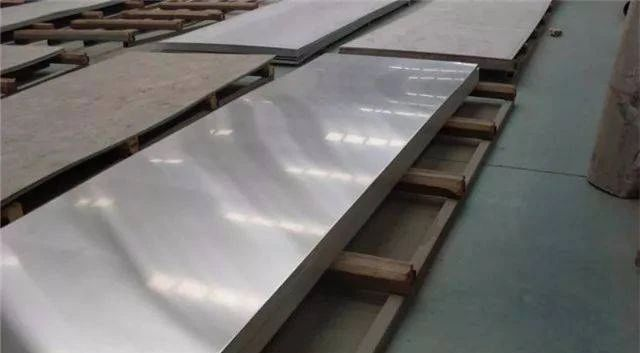
Metal: Often found in machinery and equipment, metal surfaces can be prone to rust if not properly maintained.
Plastic: Used in various applications, plastics require gentle cleaning agents to avoid damage.
Glass: This material needs streak-free cleaners to maintain clarity and appearance.
Concrete: Common in floors, concrete surfaces can absorb contaminants, requiring strong cleaning agents.
Here’s a quick reference table of some popular products and their compatible surfaces:
Product Name | Surface Material | Key Features |
|---|---|---|
3M™ TB Quat Disinfectant Ready-to-Use Cleaner | Hard, nonporous surfaces | Kills SARS-CoV-2 in 60 seconds, non-acidic, non-abrasive |
3M™ Easy Scrub Express Flat Mop System | Hard floors | Lightweight, efficient cleaning, adjustable mop handle |
3M™ Stainless Steel Cleaner and Polish | Stainless steel, chrome, aluminum | Cleans and polishes, streak-free finish |
3M™ Easy Trap™ Sweep and Dust Sheets | Various floor surfaces | Traps up to 8X more dirt, convenient disposable sheets |
3M™ Glass Cleaner and Protector | Glass, hard surfaces | Streak-free, reduces fogging, protects surfaces |
Cleaner-Surface Interaction
Understanding how cleaning agents interact with different surfaces is vital. You should consider the following:
Surfactants: These are key components in cleaners that help break down contaminants. Different surfaces may react differently to various surfactants.
Testing Methods: Techniques like Zeta Potential Analysis and Cleanability Tests help evaluate how well cleaners perform on specific materials. For instance, the Riboflavin Test simulates contamination to assess cleaning effectiveness.
To maintain equipment cleaned with industrial water-based cleaners, ensure all surfaces dry thoroughly. This practice prevents rust formation on metal surfaces, especially if any water remains.
By understanding surface compatibility, you can choose the right industrial cleaner that effectively tackles contaminants while preserving the integrity of your surfaces.
Safety and Environmental Impact
Reviewing Safety Data Sheets (SDS)
When you choose industrial water-based cleaners, reviewing the Safety Data Sheets (SDS) is essential. These documents provide critical information about the cleaning agents you plan to use. They include details on hazards, handling instructions, and emergency measures. Here are some key points to consider:
Hazard Identification: The SDS outlines potential hazards associated with the cleaner. This includes health risks, flammability, and environmental impacts.
Composition Information: You can find details about the ingredients, including surfactants and other components. Understanding these helps you assess the cleaner’s effectiveness against specific contaminants.
First Aid Measures: The SDS provides guidance on what to do in case of exposure or accidents. Knowing these procedures can prevent serious injuries.
Storage and Disposal Guidelines: Proper storage and disposal are crucial for safety and compliance. The SDS will inform you about the best practices to follow.
Training your staff to read and understand SDS is vital. Employees should know how to handle cleaning agents safely. They must also be aware of the proper use of personal protective equipment (PPE), such as gloves and goggles, to minimize risks. Regular training sessions on safety protocols and updates to cleaning practices can enhance workplace safety.
Eco-Friendly Options
As you consider industrial water-based cleaners, think about their environmental impact. Many manufacturers now offer environmentally safe products that reduce harm to the planet. Here are some options to explore:
Biodegradable Cleaners: These products break down naturally, minimizing their impact on the environment. They often contain plant-based surfactants that are effective against contaminants without harming ecosystems.
Low VOC Cleaners: Volatile organic compounds (VOCs) can contribute to air pollution. Choosing low VOC options helps improve indoor air quality and reduces environmental harm.
Concentrated Formulas: These cleaners require less packaging and transportation, reducing waste. You can dilute them as needed, which also saves on storage space.
Non-Flammable Products: Selecting non-flammable cleaners enhances safety in the workplace. This reduces the risk of fire hazards associated with traditional solvents.
By opting for eco-friendly options, you contribute to a healthier environment while maintaining effective cleaning practices. Always check for certifications that indicate a product’s environmental claims.
Selecting the right industrial cleaner is essential for effective cleaning. Consider these key factors:
Ensure surface compatibility to prevent damage.
Evaluate safety and compliance with regulations.
By focusing on these criteria, you can buy industrial water-based cleaner that meets your specific needs and enhances your cleaning process.
FAQ
What are industrial water-based cleaners?
Industrial water-based cleaners are cleaning agents that use water as a primary solvent. They effectively remove contaminants without harmful solvents.
How do I choose the right cleaner for my needs?
Identify the type of contamination and surface material. Match the cleaner’s properties to these factors for optimal results.
Are water-based cleaners environmentally friendly?
Many water-based cleaners are eco-friendly. Look for biodegradable options and those with low VOC content to minimize environmental impact.