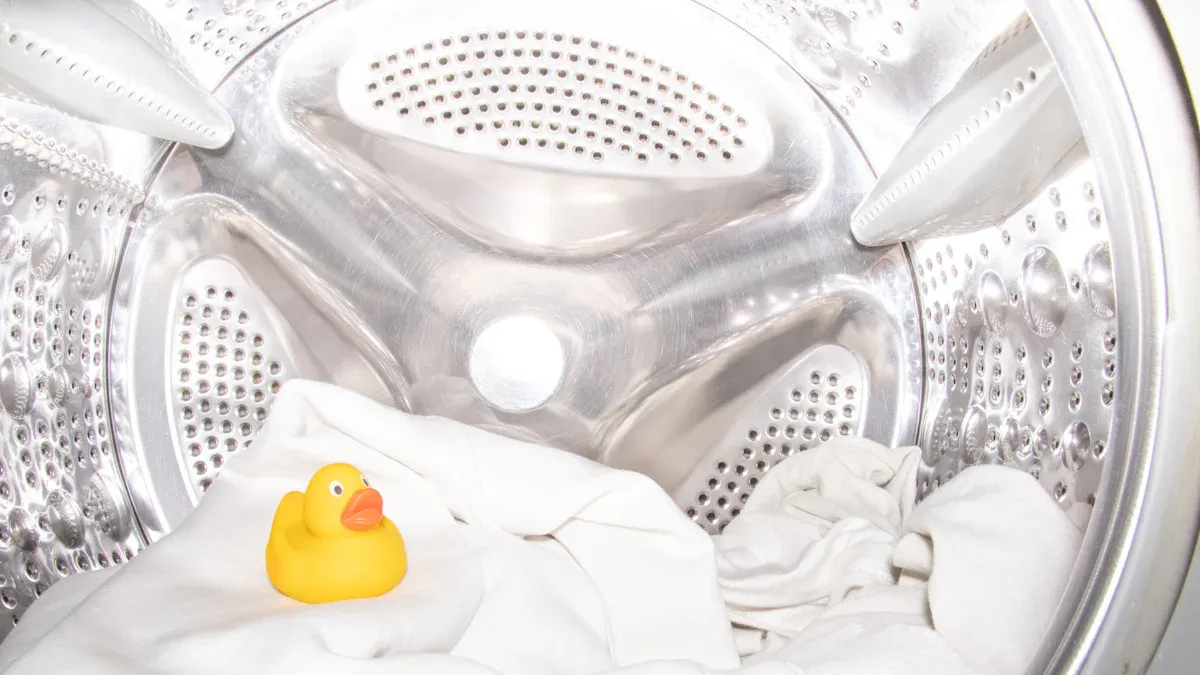
You see a growing trend in DIY household products for health, environment, and finances. The market has an an 8.0% compound annual growth rate from 2025 to 2032. Homemade liquid laundry detergent provides safety, effectiveness, and cost savings. This non-toxic diy homemade laundry detergent uses simple ingredients, making diy liquid laundry detergent an easy project.
Key Takeaways
Homemade liquid laundry detergent saves money and protects sensitive skin from harsh chemicals.
Simple ingredients like soap, borax, and washing soda create a powerful non-toxic cleaner.
Proper workspace setup and safe ingredient storage keep your home and family protected.
Why Make Your Own Homemade Laundry Detergent
Making your own homemade laundry detergent offers many advantages. You gain control over what touches your clothes and skin. This DIY approach also benefits your wallet and the planet. Let’s explore the key homemade laundry detergent benefits.
Cost Savings Over Commercial Options
Commercial laundry detergents can be expensive. Their prices add up quickly over time. When you make your own, you buy simple ingredients in bulk. These ingredients are often much cheaper per use. You will see significant savings on your household budget each year. This makes homemade options a smart financial choice.
Ingredient Control for Sensitive Skin
Many people struggle with skin sensitivities. Commercial detergent often contains harsh chemicals. Added fragrances are common irritants. They can trigger respiratory issues or allergic reactions. High concentrations of surfactants (over 15%) may not rinse out completely. This increases skin irritation risks. Phosphates can build up in fabric fibers. They act as potential allergens. Chlorine and parabens are aggressive additives. They also trigger skin sensitivities. Cationic surfactants, used as antibacterial agents, heighten skin reaction risks. Making your own non-toxic detergent means you choose gentle ingredients. You avoid these common irritants. This is perfect for sensitive skin.
Environmental Benefits and Reduced Waste
Choosing to make your own laundry detergent helps the environment. You reduce plastic waste from countless bottles. Many commercial detergents contain chemicals that harm waterways. Your homemade version uses fewer, more natural ingredients. This supports a healthier planet. You are creating natural cleaning products that are kinder to the earth.
Understanding Detergent Components
Knowing what goes into your detergent helps you appreciate its effectiveness. Commercial formulas often have complex chemical blends. Homemade versions rely on basic, powerful components. These work together for effective cleaning. You understand each ingredient’s role in getting your clothes fresh and clean.
Key Ingredients and Supplies for Your Laundry Detergent Recipe
Ready to gather your supplies? Making your own laundry detergent recipe is straightforward. You only need a few simple ingredients and basic tools. Knowing what each component does helps you understand the cleaning power you are creating.
Core Cleaning Agents: Soap, Borax, Washing Soda
Your homemade detergent relies on three main workhorses. First, you need soap. You have several great options here. Grated bar soap, like Fels-Naptha or Zote, works wonderfully. You can also use liquid castile soap, which is very gentle. Some people even prefer coconut oil soap for its natural cleaning properties. This soap acts as a surfactant, lifting dirt and grime from your clothes.
Next, you will use borax. Borax is a natural mineral. It boosts your detergent‘s cleaning power. It helps soften hard water and acts as a natural deodorizer. Borax also aids in stain removal. It helps break down tough dirt. Finally, you need washing soda, also known as sodium carbonate. Washing soda is a powerful alkali. It helps cut through grease and oil. It also enhances the effectiveness of the soap. Together, these three ingredients form a potent, non-toxic homemade laundry soap recipe.
Sourcing Quality Ingredients
Finding these homemade laundry detergent ingredients is easy. You can often find borax and washing soda in the laundry aisle of your local grocery store. Look near the commercial detergents. For bar soaps or liquid castile soap, check the soap or natural products section. Buying these items in larger quantities can save you money in the long run. Always choose reputable brands to ensure purity and effectiveness. This ensures your homemade laundry detergent recipe performs its best.
Essential Tools for Preparation
You do not need fancy equipment to make your own laundry detergent. You will need a large pot, big enough to hold several gallons of water. A sturdy stirring spoon or whisk is essential for mixing. A grater is necessary if you choose bar soap. You will also need a large container for storing your finished detergent. A clean, empty gallon jug or a five-gallon bucket with a lid works perfectly.
Safety Precautions and Gear
While you are working with simple ingredients, safety is still important. Always handle borax and washing soda with care. They are powerful cleaning agents. Avoid inhaling the powders directly. You might want to wear a dust mask when measuring them. Wear gloves to protect your hands, especially if you have sensitive skin. Ensure your workspace is well-ventilated. Keep children and pets away from your ingredients and your mixing area. Store your finished laundry soap recipe in a clearly labeled container. Keep it out of reach of children and pets.
Making Your Homemade Liquid Laundry Detergent: Step-by-Step
You are ready to create your own effective liquid laundry detergent. This process is simple. You will find it very rewarding. Follow these steps carefully. You will have a fresh batch of diy liquid laundry detergent in no time.
Safe Workspace Setup
First, prepare your workspace. Choose a well-ventilated area. You want good airflow. Lay down old newspapers or a tarp. This protects your surfaces from spills. Keep all your ingredients and tools within easy reach. Most importantly, ensure children and pets are not in the area. This is crucial for safety. You will be working with hot water and cleaning agents.
Preparing Your Soap Base
If you use bar soap, you need to grate it first. Use a standard kitchen grater. Grate the entire bar into fine flakes. Smaller flakes dissolve faster. If you use liquid castile soap, simply measure out the required amount. You will add this later. This soap base provides the primary cleaning power for your detergent.
Dissolving Ingredients in Hot Water
Now, you will start heating water. Pour about 4 cups of water into your large pot. Bring this water to a boil on your stovetop. Once boiling, carefully add your grated soap or liquid castile soap. Stir constantly until the soap completely dissolves. This takes a few minutes. Be very careful when handling boiling water. It can cause severe burns. Once the soap dissolves, remove the pot from the heat. Then, slowly stir in the borax and washing soda. Stir until these powders fully dissolve. You want a smooth mixture.
Combining All Cleaning Agents
Next, you will combine everything. In your large storage container, pour 1 gallon of very hot tap water. Then, carefully add the dissolved soap, borax, and washing soda mixture to the container. Stir everything together thoroughly. You want all the ingredients to be well-mixed. This ensures an even distribution of cleaning power throughout your laundry solution.
Cooling and Achieving Desired Consistency
Allow your homemade liquid laundry detergent to cool completely. This can take several hours, or even overnight. As it cools, the mixture will thicken. It will become a gel-like consistency. If it becomes too thick, you can add more hot water. Add it gradually, stirring until you reach your desired consistency. For large batches stored in buckets, always cover them tightly. This prevents accidental ingestion or drowning risks for children and pets. You want to keep your home safe.
Optional Scents and Boosters
You can customize your diy laundry detergent. Add essential oils for a pleasant scent. Lavender, lemon, or tea tree oil are popular choices. Add about 10-20 drops per gallon of detergent. Stir them in well. You can also add a quarter cup of white vinegar to the mixture. This acts as a natural fabric softener and brightener.
Using and Storing Your Homemade Liquid Laundry Detergent
You have successfully made your own diy liquid laundry detergent. Now, you need to know how to use it effectively and store it safely. Proper usage ensures your clothes get clean. Good storage keeps your laundry solution fresh.
Dosage for Different Load Sizes
You should adjust the amount of detergent you use based on your load size. For a small load, you typically need about a quarter cup. A medium load usually requires half a cup. For large or heavily soiled loads, you can use up to three-quarters of a cup. You can always experiment to find the perfect amount for your specific needs and water hardness.
Remember, homemade liquid laundry detergent often does not produce as many suds as commercial options. This is normal. Fewer suds do not mean less cleaning power. Your clothes will still come out fresh and clean.
Compatibility with HE Washing Machines
Many people wonder if homemade formulas work in High-Efficiency (HE) washing machines. Homemade low-sudsing laundry formulas are generally safe for HE washing machines. User experiences widely report this. HE washers require low-suds detergent to function correctly. This prevents machine damage. Your homemade recipe inherently meets this low-suds criteria.
However, you must always verify your specific washing machine’s owner manual and warranty instructions. Do this before using any DIY detergent. This ensures you maintain your appliance’s warranty. You can confidently use your homemade solution for washing clothes once you confirm compatibility.
Best Practices for Standard Washers
If you have a standard top-loading washer, using your homemade detergent is simple. You can add the measured amount directly to the wash water as the tub fills. Then, add your clothes. This helps the detergent dissolve and distribute evenly before the wash cycle begins.
For best results, avoid pouring the detergent directly onto your clothes. This can sometimes leave a residue. Mixing it with the water first ensures a more thorough and effective wash.
Safe Storage for Homemade Detergent
You must store your homemade laundry detergent safely. Always use a clean, airtight container. A large plastic jug or a five-gallon bucket with a lid works well. Label the container clearly. Write “Homemade Laundry Detergent” on it. This prevents any confusion.
Keep your stored detergent in a cool, dry place. Store it out of reach of children and pets. This is crucial for safety. You want to prevent accidental ingestion or drowning risks.
Understanding Shelf Life
Your homemade detergent typically lasts for several months. Its shelf life depends on the ingredients you use and how you store it. If you notice any changes in consistency, smell, or color, it might be time to make a fresh batch.
You will find that the gel-like consistency might separate over time. This is normal. Just give it a good shake or stir before each use. This helps redistribute the ingredients.
Troubleshooting Your Homemade Laundry Detergent Recipe
You might encounter a few common issues when using your homemade laundry detergent. Do not worry. These are usually easy to fix. You can adjust your homemade laundry detergent recipe for optimal results.
Addressing Separation Issues
Your detergent might separate over time. This is completely normal. The ingredients settle. You will see a thicker gel at the bottom and liquid on top. This does not affect the effectiveness of your detergent.
Simply give your container a good shake or stir before each use. This redistributes the ingredients. Your laundry will still get clean. You can also add a bit more hot water if you prefer a thinner consistency.
Preventing Residue on Clothes
Sometimes, you might find a white residue on your clothes. This often happens if you use too much detergent. It can also occur with very hard water. You want to adjust your dosage.
Try reducing the amount of detergent you use per load. You can also add half a cup of white vinegar to the rinse cycle. This helps remove any leftover residue. It leaves your clothes fresh.
Boosting Cleaning Performance
Do you feel your laundry needs an extra boost? You can easily enhance your cleaning power. Pre-treat tough stains before washing. This makes a big difference.
Consider adding a scoop of oxygen-based cleaner to your wash. This helps whiten whites and brighten colors. Using warm or hot water for heavily soiled clothes also improves cleaning.
Adjusting for Water Hardness
Hard water can reduce the effectiveness of your detergent. Minerals in hard water react with soap. This forms soap scum. You can adjust your formula for this.
Increase the amount of washing soda or borax in your laundry detergent recipe. These ingredients help soften the water. For very hard water, you can even use a soap-free formula. Just use borax and washing soda. This prevents buildup on your clothes.
Ingredient Substitutions and Variations
You have flexibility with your detergent ingredients. You can try different types of bar soap. Experiment with liquid castile soap. You can also use dish soap, like Dawn, for a cost-effective bulk formula.
These variations can change the consistency or scent. They still provide good cleaning. You can also add essential oils for a custom fragrance. This makes your laundry smell wonderful.
Making your own liquid laundry detergent offers great homemade laundry detergent benefits. You save money, control ingredients for sensitive skin, and help the environment. This non-toxic diy laundry detergent uses simple ingredients. Try this easy project. Enjoy fresh clothes and take control of your laundry with this effective diy liquid laundry detergent.
FAQ
Can I use homemade laundry detergent in an HE washing machine?
Yes, you can! Homemade formulas are low-sudsing. This makes them generally safe for HE machines. Always check your machine’s manual first.
How long does homemade laundry solution last?
Your homemade laundry solution typically lasts several months. Store it in a cool, dry place. Shake it before each use if it separates.
Why does my homemade formula separate?
Separation is normal. Ingredients settle over time. Just shake or stir your solution before each use. This redistributes the cleaning agents.