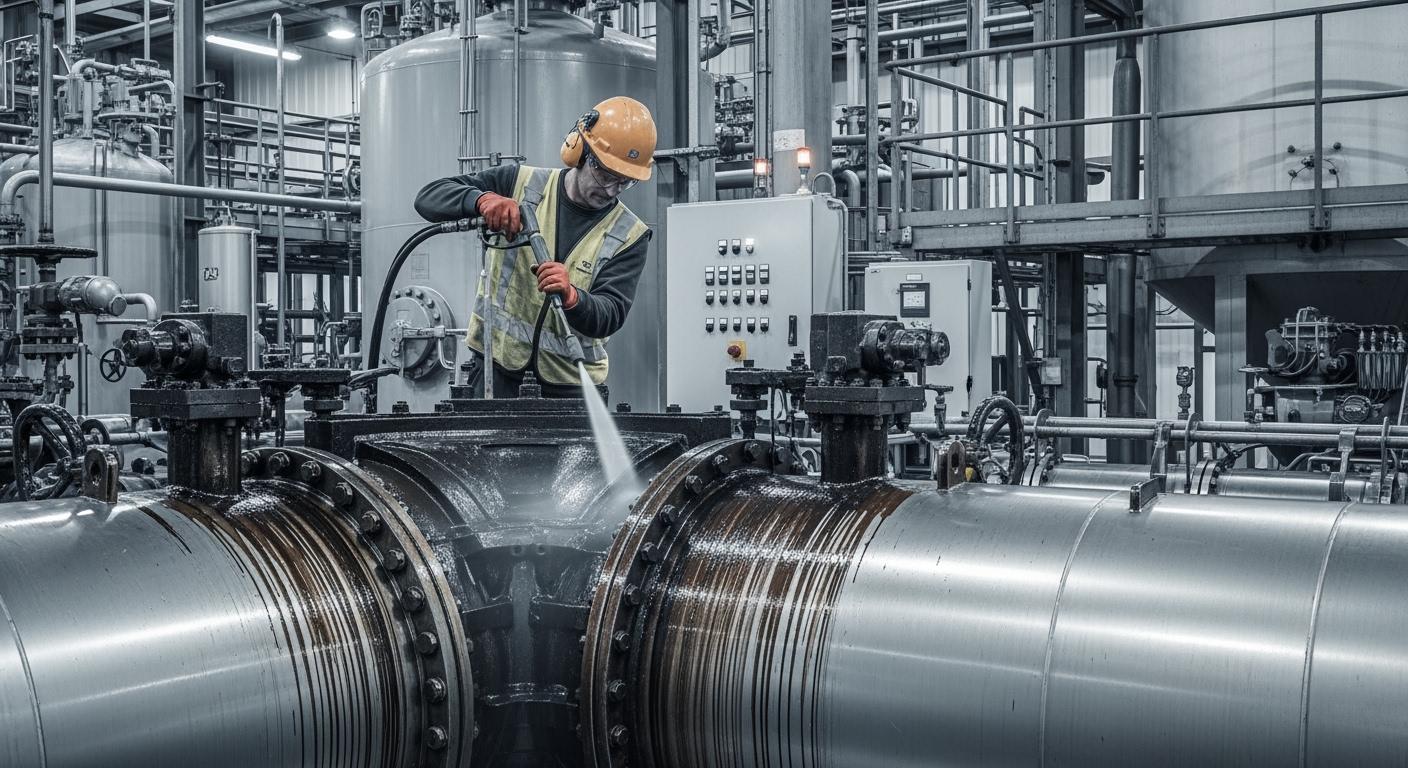
How to Choose the Best Industrial Cleaner for Metal Surfaces
Choosing the best industrial cleaner for metal surfaces is crucial. Effective cleaning enhances metal longevity and performance. You should consider how a cleaner works, its safety, and its environmental impact. Many options exist, but not all are suitable for your specific needs.
Key Takeaways
Understand the specific needs of different metal types to choose the right cleaner. Each metal type, like ferrous or non-ferrous, requires tailored cleaning solutions.
Prioritize safety by using personal protective equipment and ensuring proper ventilation when using industrial cleaners. Always check safety data sheets for handling instructions.
Consider the environmental impact of cleaners. Opt for eco-friendly options that are biodegradable and comply with regulations to protect both health and the environment.
Metal Types
Ferrous Metals
Ferrous metals contain iron, making them strong and durable. However, they are prone to rust and corrosion. When cleaning ferrous metals, you should use cleaners that effectively remove rust and grime without damaging the surface. Look for products specifically designed for ferrous materials to ensure optimal results.
Non-Ferrous Metals
Non-ferrous metals, such as aluminum and copper, do not contain iron. They resist rust but can still face unique cleaning challenges. For instance, using Rust Preventive Oil VERZONE OIL MS-6 can simplify the cleaning process for these metals. This oil allows easy removal with standard solvents or water-based cleaners. Its ultra-thin film prevents corrosion without leaving a sticky residue. Additionally, its high penetration capability ensures thorough cleaning, even in small gaps and complex parts.
Coated Metals
Coated metals have a protective layer that can be sensitive to harsh chemicals. When cleaning these surfaces, you must choose a cleaner that is gentle yet effective. Avoid abrasive agents that could damage the coating. Instead, opt for mild cleaners that maintain the integrity of the coating while effectively removing dirt and contaminants.
Understanding the differences between these metal types helps you select the best industrial cleaner for metal surfaces. Each type has specific needs that require tailored cleaning solutions.
Choosing the Best Industrial Cleaner for Metal
Effectiveness
When selecting an industrial cleaner, effectiveness is paramount. You want a cleaner that not only removes dirt and grime but also protects the metal surface. Look for products that specify their cleaning capabilities, such as rust removal or grease cutting. Many cleaners come with performance ratings, which can guide your choice.
Consider the following factors to ensure effectiveness:
Surface Compatibility: Ensure the cleaner works well with the specific metal type you are cleaning.
Cleaning Method: Different methods, such as soaking or spraying, can affect how well a cleaner performs. Choose a method that suits your cleaning needs.
Concentration Levels: Higher concentrations often yield better results, but they may require careful handling.
Safety Considerations
Safety should always be a priority when choosing an industrial cleaner. Many cleaners contain chemicals that can pose health risks. Always check the safety data sheets (SDS) for information on handling and potential hazards.
Here are some safety tips to keep in mind:
Personal Protective Equipment (PPE): Always wear appropriate PPE, such as gloves and goggles, when using cleaners.
Ventilation: Ensure proper ventilation in the cleaning area to avoid inhaling harmful fumes.
Training: Provide training for employees on safe handling and emergency procedures related to chemical exposure.
Environmental Impact
The environmental impact of industrial cleaners is a growing concern. Many traditional cleaners contribute to pollution and can harm ecosystems. According to environmental agencies, industrial and urban wastewater significantly contributes to the release of heavy metals into the environment. This pollution can adversely affect agricultural production, food quality, and both human and animal health.
To minimize environmental impact, consider these factors:
Eco-Friendly Options: Look for cleaners that are biodegradable and have low volatile organic compounds (VOCs). These options often have safer chemical profiles and lower environmental impact.
Regulatory Compliance: Ensure that the cleaner complies with regulations like RoHS and REACH. This compliance helps protect both the environment and your business from legal issues.
Cost Considerations: While eco-friendly cleaners may have a higher upfront cost, they can lead to lower long-term expenses. Investing in these cleaners can prevent equipment failures and reduce maintenance costs over time.
By considering effectiveness, safety, and environmental impact, you can choose the best industrial cleaner for metal surfaces that meets your needs while promoting a safer and cleaner environment.
Popular Cleaning Methods and Agents
Cleaning metal surfaces effectively requires understanding various cleaning methods and agents. Each method has its strengths and weaknesses, making it essential to choose the right one for your specific needs.
Chemical Cleaning
Chemical cleaning involves using specific substances to remove contaminants from metal surfaces. This method can include acidic, alkaline, or solvent-based cleaners. Each type serves a unique purpose:
Acidic Cleaners: These are effective for removing rust and mineral deposits. However, they can lead to metal corrosion if not rinsed properly. This increases the risk of rust formation.
Alkaline Cleaners: These cleaners excel at breaking down grease and oils. Be cautious, as they can cause skin irritation and eye damage due to their protein-dissolving properties.
Solvent-Based Cleaners: These are great for removing oils and greases without damaging the metal. They evaporate quickly, leaving no residue.
Tip: Always follow the manufacturer’s instructions when using chemical cleaners to ensure safety and effectiveness.
Common Pantry Cleaners
You might be surprised to learn that some common pantry items can serve as effective cleaners for metal surfaces. Here are a few examples:
Vinegar: This acidic liquid can help dissolve mineral deposits and rust. It’s safe for many metal types but should be rinsed thoroughly to prevent corrosion.
Lemon Juice: The citric acid in lemon juice works similarly to vinegar. It can brighten metal surfaces and remove stains.
Baking Soda: This mild abrasive can help scrub away grime without scratching the surface. Mix it with water to create a paste for tougher stains.
While these household cleaners can be effective, they have limitations. For instance, acidic cleaners can generate a large volume of low-pH wastewater, making treatment complex and impractical.
Industrial Cleaning Agents
Industrial cleaning agents are specifically designed for heavy-duty cleaning tasks in the metalworking sector. They play a crucial role in maintaining equipment performance and workplace safety. Some of the top industrial cleaning agents include:
KANEKO CHEMICAL (THAILAND) CO., LTD.: This company specializes in developing cleaning agents for automotive and electronic parts, showcasing the diverse applications of industrial cleaners.
Ecolab’s Environmental Cleaning Program: This program addresses cross-contamination and microbial growth, ensuring safety while optimizing operations. It includes both wet and dry chemistry solutions tailored for various surfaces.
When selecting an industrial cleaner, consider the following factors:
Cleaning Technology | Capital Costs | Operating Costs | Oil Separation Efficiency | Particle Separation Efficiency |
|---|---|---|---|---|
Disc stack centrifuge | High | Low | High | High, even for small particles |
Filter | Low | High | No | High (limited to mesh size) |
Coalescer | Low | High | High | No |
Skimmer | Low | Low | Low | No |
Choosing the best industrial cleaner for metal surfaces involves understanding these methods and agents. Each option has its benefits and drawbacks, so assess your specific cleaning needs before making a decision.
Choosing the right industrial cleaner for metal surfaces is essential. Consider these key factors:
Understand the specific needs of different metal types.
Select cleaners that prevent equipment breakdowns and costly repairs.
Regular cleaning extends equipment lifespan and improves efficiency.
By making informed choices, you enhance performance and reduce maintenance costs.
FAQ
What should I consider when selecting a cleaner for coated metals?
Choose a mild cleaner that protects the coating while effectively removing dirt. Avoid abrasive agents to maintain the surface integrity.
How often should I clean metal surfaces?
You should clean metal surfaces regularly, depending on usage and exposure to contaminants. Frequent cleaning prevents buildup and extends equipment lifespan.
Are eco-friendly cleaners effective?
Yes, eco-friendly cleaners can be effective. They often contain biodegradable ingredients that clean well without harming the environment or your health.