Effective Tips for Removing Stubborn Grease from Kitchen Surfaces
Stubborn grease in your kitchen can feel overwhelming, especially when it clings to surfaces and makes cleaning a hassle. But don’t worry! With the right tips, you can easily tackle this problem. Effective cleaning methods that remove stubborn kitchen grease stains not only keep your kitchen looking great but also ensure a healthier space. Let’s dive into how you can eliminate those stubborn kitchen grease stains once and for all!
Key Takeaways
Use the right cleaning supplies like sponges, microfiber cloths, and dish soap to effectively tackle stubborn grease.
Create homemade cleaning solutions, such as a vinegar and water mix or a baking soda paste, for natural and effective grease removal.
Adopt regular cleaning habits, like wiping surfaces after cooking and using splatter guards, to prevent grease buildup in your kitchen.
Essential Cleaning Supplies
When it comes to tackling stubborn grease, having the right cleaning supplies makes all the difference. Let’s explore some recommended products and homemade solutions that can help you effectively clean your kitchen surfaces.
Recommended Products
Investing in quality cleaning products can save you time and effort. Here are some essential items that professional cleaners recommend for removing stubborn kitchen grease:
Sponges: Use non-scratch sponges for scrubbing surfaces without damaging them.
Microfiber cloths: These are great for wiping down surfaces and absorbing moisture.
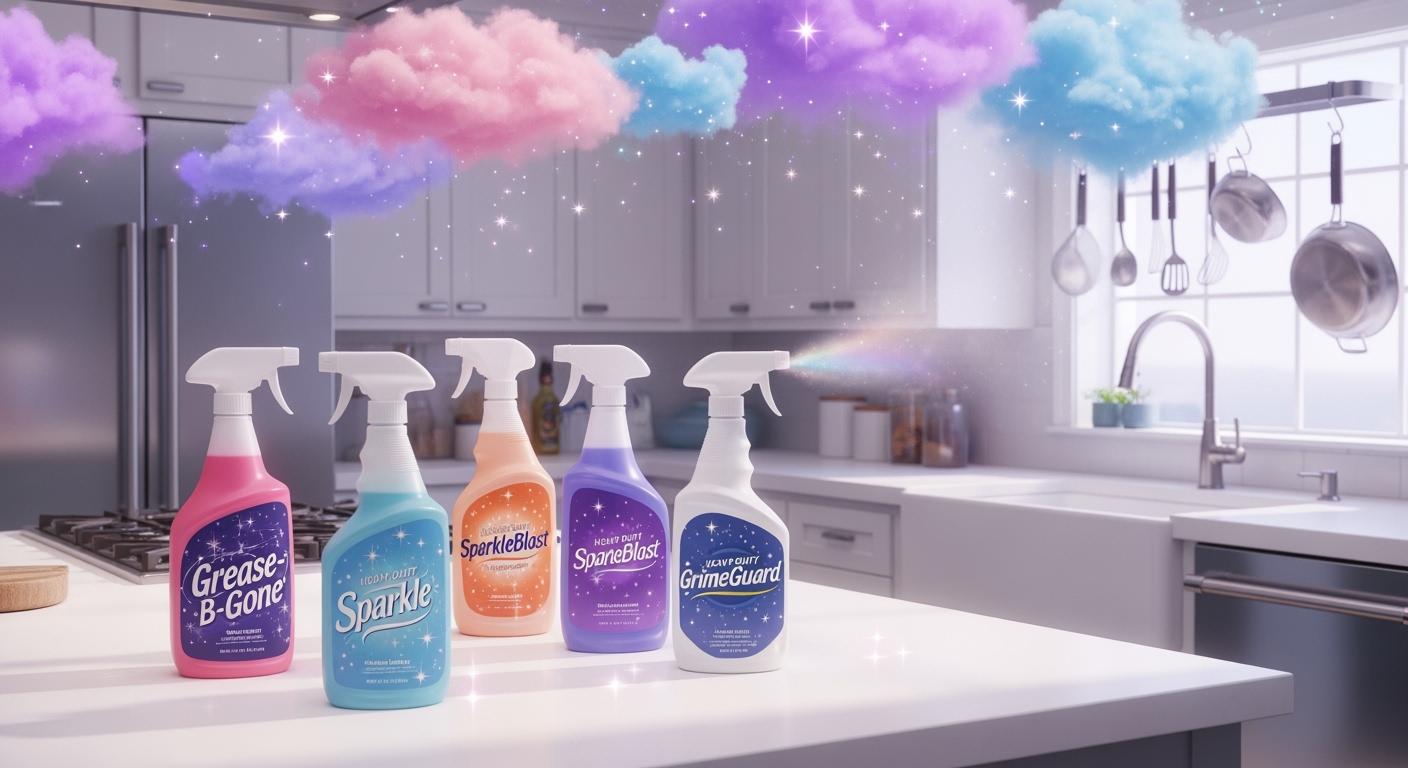
Spray bottle: Perfect for applying your cleaning solutions evenly.
Bucket: Handy for holding warm water and your chosen cleaning solutions.
Bowl: Useful for mixing various cleaning solutions.
Warm water: It helps loosen tough grease when mixed with dish soap.
Dish soap: A must-have for breaking down grease effectively.
Baking soda: This natural abrasive cleaner works wonders for scrubbing.
Vinegar: Mix it with water to cut through grease easily.
Commercial cleaning solutions: These powerful cleaners can tackle even the toughest grease.
Homemade Solutions
If you prefer a more natural approach, homemade cleaning solutions can be just as effective. Here are a couple of simple recipes you can try:
Vinegar and Water Solution:
Mix equal parts of vinegar and warm water in a spray bottle. Spray the solution on greasy surfaces and let it sit for a few minutes before wiping it away with a microfiber cloth.
Baking Soda Paste:
Combine baking soda with a small amount of water to create a paste. Apply this paste to greasy areas, let it sit for about 10-15 minutes, and then scrub with a sponge. Rinse with warm water for a sparkling clean finish.
By having these cleaning supplies on hand, you’ll be well-equipped to tackle any grease problem in your kitchen. Remember, the right tools can make your cleaning routine much more efficient!
Techniques to Remove Stubborn Kitchen Grease Stains
Cleaning stubborn grease stains can feel like a daunting task, but with the right techniques, you can make your kitchen surfaces shine again. Let’s break down effective methods for cleaning appliances, cabinets, and countertops.
Cleaning Appliances
Your kitchen appliances often bear the brunt of grease buildup. Here are some effective techniques to clean them:
DIY Degreaser: Combine equal parts baking soda and dish soap with 20 drops of orange essential oil. Apply this mixture to the greasy surface, let it sit for about 10 minutes, and scrub with a damp sponge. This method not only removes stubborn kitchen grease stains but also leaves a pleasant scent.
Vinegar: For stainless steel appliances, use undiluted vinegar in a spray bottle. Spray it directly onto the greasy surfaces, let it sit for 5 to 10 minutes, and then wipe down with a soft sponge or cloth. This technique effectively cuts through stubborn grease and leaves your appliances gleaming.
Cleaning Cabinets
Wooden cabinets can accumulate grease over time, making them look dull. Here’s how to clean them effectively:
Warm Water and Dish Soap: Mix warm water with a few drops of dish soap. This solution works wonders due to its excellent degreasing properties. Use a soft cloth to wipe down the cabinets, focusing on areas with stubborn grease stains.
Murphy Oil Soap: Dilute Murphy Oil Soap in warm water and apply it with a cleaning rag. This product is safe for wood and helps maintain the finish while removing grease. Always test any cleaning solution on an inconspicuous area first to prevent damage.
Cleaning Countertops
Countertops can be a magnet for grease, especially after cooking. Here’s how to keep them clean:
Baking Soda Paste: Create a paste using baking soda and a small amount of water. Apply this paste to greasy areas, let it sit for about 10-15 minutes, and then scrub with a sponge. Rinse with warm water for a sparkling clean finish.
Vinegar and Water Solution: Mix equal parts of vinegar and warm water in a spray bottle. Spray the solution on greasy surfaces and let it sit for a few minutes before wiping it away with a microfiber cloth. This method is effective for removing stubborn grease stains without harsh chemicals.
By using these techniques, you can effectively remove stubborn grease from your kitchen surfaces. Regular cleaning will help maintain a fresh and inviting kitchen environment.
Cleaning Tips and Tricks for a Greasy Kitchen
Keeping your kitchen clean can feel like a never-ending battle, especially when grease seems to appear out of nowhere. But don’t worry! With a few simple cleaning tips and tricks, you can maintain a fresh and inviting space.
Regular Maintenance
Regular maintenance is key to preventing grease buildup. Here are some effective habits to adopt:
Use a splatter guard or lid while cooking to minimize oil splatter.
Keep paper towels and sponges accessible for immediate cleanup of grease and spills.
Wipe down your stovetop and countertops after each use to reduce grease accumulation.
Regularly clean your range hood filters to maintain efficiency and prevent grease buildup.
By incorporating these habits into your daily routine, you’ll find it easier to keep a greasy mess at bay.
Best Practices for Cooking
Your cooking habits can significantly impact how much grease ends up in your kitchen. Here are some best practices to consider:
Always prep your ingredients before you start cooking. This way, you can focus on cooking without creating a mess.
Use non-stick cookware to reduce the amount of oil needed for cooking.
After cooking, take a moment to wipe down surfaces and sanitize all prep tables, cutting boards, and countertops. Empty and refresh sanitizer buckets every four hours for effective cleaning.
By following these practices, you’ll not only enjoy a cleaner kitchen but also make your cooking experience more enjoyable.
With these cleaning tips and tricks, you can easily clean a greasy kitchen and keep it looking its best!
Preventing Future Grease Buildup
Keeping your kitchen grease-free requires a proactive approach. Here are some strategies to help you maintain a clean and inviting space.
Maintenance Tips
Routine cleaning is your best defense against grease buildup. Regularly clean kitchen surfaces with hot, soapy water and disinfectant. This removes grease before it has a chance to accumulate. Use absorbent materials like paper towels to wipe down surfaces after cooking. Proper ventilation is crucial, so ensure your range hood filters are clean to reduce airborne grease. Dedicate specific days for deeper cleaning tasks, like deliming sinks or scrubbing oven interiors. Spread out these tasks to avoid burnout and maintain kitchen hygiene.
Cooking Habits
Your cooking habits play a significant role in preventing grease buildup. Practice good habits by avoiding excessive frying. Cover pots and pans while cooking to minimize grease production. Prep your ingredients beforehand to keep your kitchen organized and clean. After cooking, use a diy degreaser to wipe down surfaces. This not only keeps your kitchen clean but also makes your cooking experience more enjoyable.
By adopting these maintenance tips and cooking habits, you can effectively prevent grease buildup in your kitchen. A little effort goes a long way in keeping your kitchen clean and inviting.
You now have the tools to tackle stubborn grease in your kitchen! Remember to use the right cleaning supplies, apply effective techniques, and maintain good cooking habits. By following these tips, you’ll enjoy a cleaner, healthier kitchen. Start implementing these strategies today for a grease-free space! 🧼✨
FAQ
What is the best homemade degreaser for kitchen surfaces?
You can use a vinegar and water solution. Mix equal parts of both in a spray bottle for effective cleaning.
How do I make a baking soda and dish soap mixture?
Combine baking soda with a few drops of dish soap. This mixture works wonders on fat and oil residue.
Are commercial degreasers safe to use?
Yes, commercial degreasers are effective. Just follow the instructions on the label for safe usage.