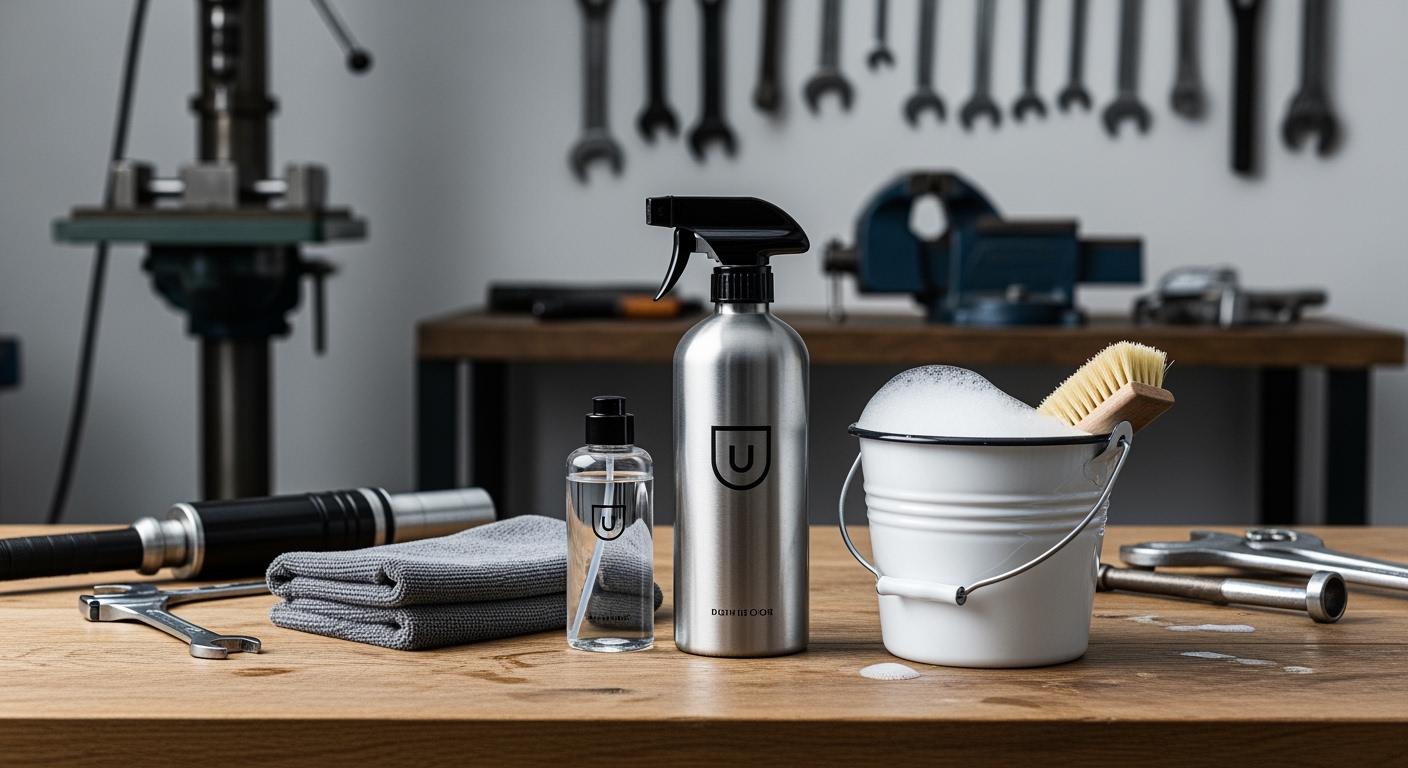
Discover the Benefits of Water-Based Cleaners for Manufacturing
Manufacturers are increasingly opting for water-based cleaners for their operations. These water-based cleaners offer effective solutions for various cleaning tasks while ensuring safety and reducing environmental impact. You can trust that water-based cleaners provide a reliable alternative to traditional solvents, alleviating concerns about harmful emissions and worker health.
Key Takeaways
Water-based cleaners effectively tackle oils and greases, but they may require longer cleaning times and additional rinsing steps.
Switching to water-based cleaners enhances workplace safety by reducing harmful emissions and minimizing health risks for workers.
Using water-based cleaners supports sustainability goals by lowering VOC emissions and promoting a healthier work environment.
Effectiveness of Water-Based Cleaners
Cleaning Power
Water-based cleaners have proven effective in tackling oils and greases commonly found in manufacturing environments. They utilize surfactants and emulsifiers to break down contaminants, making them suitable for various applications. However, you should be aware that water-based cleaners generally take longer to remove industrial oils and greases compared to solvent-based cleaners.
Here are some key points to consider:
Longer Cleaning Times: Water-based cleaners may require more time to achieve the desired results.
Additional Steps: You might need to incorporate extra rinsing and drying steps, which can extend the cleaning process.
Rust Formation Risk: Be cautious, as moisture from these cleaners can lead to rust on metal surfaces if not dried properly.
Case Studies
Several manufacturers have successfully integrated water-based cleaners into their operations. For instance, a leading automotive parts manufacturer switched to a water-based cleaner for their assembly line. They reported a significant reduction in harmful emissions while maintaining cleaning efficiency.
Company Name | Application Area | Results |
|---|---|---|
Automotive Parts Manufacturer | Assembly Line Cleaning | Reduced emissions, maintained efficiency |
Electronics Manufacturer | Circuit Board Cleaning | Improved safety, effective grease removal |
Food Processing Plant | Equipment Sanitation | Enhanced hygiene, compliance with regulations |
These examples illustrate that water-based cleaners can meet the rigorous demands of manufacturing while promoting a safer and more environmentally friendly workplace.
Safety of Water-Based Cleaners
Worker Health
Using water-based cleaners significantly reduces health risks for you and your workers. Traditional solvent-based cleaners pose serious dangers. Exposure to solvent vapors can lead to:
Headaches
Long-term health issues, including cancer and organ damage
In contrast, water-based cleaners offer a safer alternative. They are non-flammable, which means you can use them in environments with open flames or heat sources without worrying about fire hazards. Additionally, you can dilute these cleaners with water, further minimizing chemical exposure risks. This non-volatile nature ensures that you maintain a healthier workplace while effectively cleaning.
Regulatory Compliance
Compliance with safety regulations is crucial in manufacturing. Water-based cleaners help you meet these regulations more easily. Here’s how they stack up against traditional cleaners:
Feature | Description |
|---|---|
Type | Water-based alkaline cleaner |
Flammability | Non-flammable |
Explosiveness | Non-explosive |
Application | Effective for removing stubborn oil stains and baked-on residues |
Dilution Ratios | Varies based on use, promoting economical and safe application |
By choosing a water-based cleaner for manufacturing, you not only enhance workplace safety but also align with regulatory standards. This proactive approach protects your workers and your business.
Environmental Impact of Water-Based Cleaners
Lower VOCs
Water-based cleaners significantly reduce volatile organic compounds (VOCs) in manufacturing environments. Lower VOC emissions lead to several benefits for your facility:
Benefit | Description |
|---|---|
Improved Indoor Air Quality | Reduced VOC emissions lead to less respiratory irritation and better overall air quality. |
Enhanced Employee Health | Safer cleaning alternatives contribute to a healthier work environment for employees. |
Support for ESG Objectives | Aligns with sustainability goals, reducing plastic waste and chemical exposure. |
By choosing a water-based cleaner for manufacturing, you actively improve air quality and promote the well-being of your workforce.
Sustainability
Sustainable practices are essential in today’s manufacturing landscape. Water-based cleaners support these practices effectively. Here’s how they compare to solvent-based cleaners:
Aspect | Water-Based Cleaners | Solvent-Based Cleaners |
|---|---|---|
Environmental Impact | Higher emissions | |
Safety | Less toxic | More toxic |
Efficiency | Maintains production | May disrupt production |
Dependency on Solvents | Reduced | High |
Using water-based cleaners not only minimizes environmental impact but also enhances your commitment to sustainability. You can contribute to a greener future while maintaining efficient operations.
Cost-Effectiveness of Water-Based Cleaners
Long-Term Savings
Investing in water-based cleaners can lead to significant long-term savings for your manufacturing operations. While the initial cost may seem comparable to traditional solvents, the benefits quickly add up. Here are some key points to consider:
Reduced Equipment Maintenance: Water-based cleaners enhance equipment longevity. Cleaner systems lead to fewer breakdowns, which means you spend less on repairs.
Lower Replacement Costs: With improved cleaning efficiency, you can expect to replace parts less frequently. This reduction in wear and tear translates to lower overall costs.
Maintenance Costs
Switching to a water-based cleaning system can also lower your maintenance costs. For example, a specialized hydraulic maintenance solution improved system reliability and reduced maintenance frequency. This indicates that cleaner systems can enhance equipment longevity and reduce costs. Additionally, the implementation of a water-based cleaning system led to safer and more effective cleaning of machined parts. This improvement can potentially reduce the frequency of maintenance required for equipment, thereby lowering overall maintenance costs.
Transitioning to water-based cleaners offers numerous benefits for your manufacturing operations. Consider the following advantages:
Benefit | Description |
|---|---|
Sustainability | Reduces plastic waste, chemical wastewater, and transport emissions, aligning with ESG targets. |
Employee Health | Minimizes exposure to harmful VOCs and irritants, improving indoor air quality and safety. |
Operational Efficiency | Simplifies cleaning processes by reducing the number of chemicals needed and lowering training requirements. |
By adopting water-based cleaners, you enhance safety, boost efficiency, and promote environmental responsibility in your workplace.
FAQ
What are water-based cleaners?
Water-based cleaners use water as a primary solvent. They effectively clean surfaces while minimizing harmful emissions and health risks.
Are water-based cleaners safe for all surfaces?
Yes, most water-based cleaners are safe for various surfaces. Always check the manufacturer’s guidelines for specific applications.
How do I switch to water-based cleaners?
Start by evaluating your current cleaning processes. Gradually replace solvent-based products with water-based alternatives while training staff on new procedures.