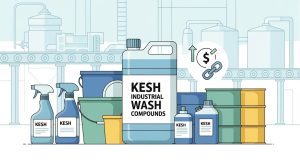
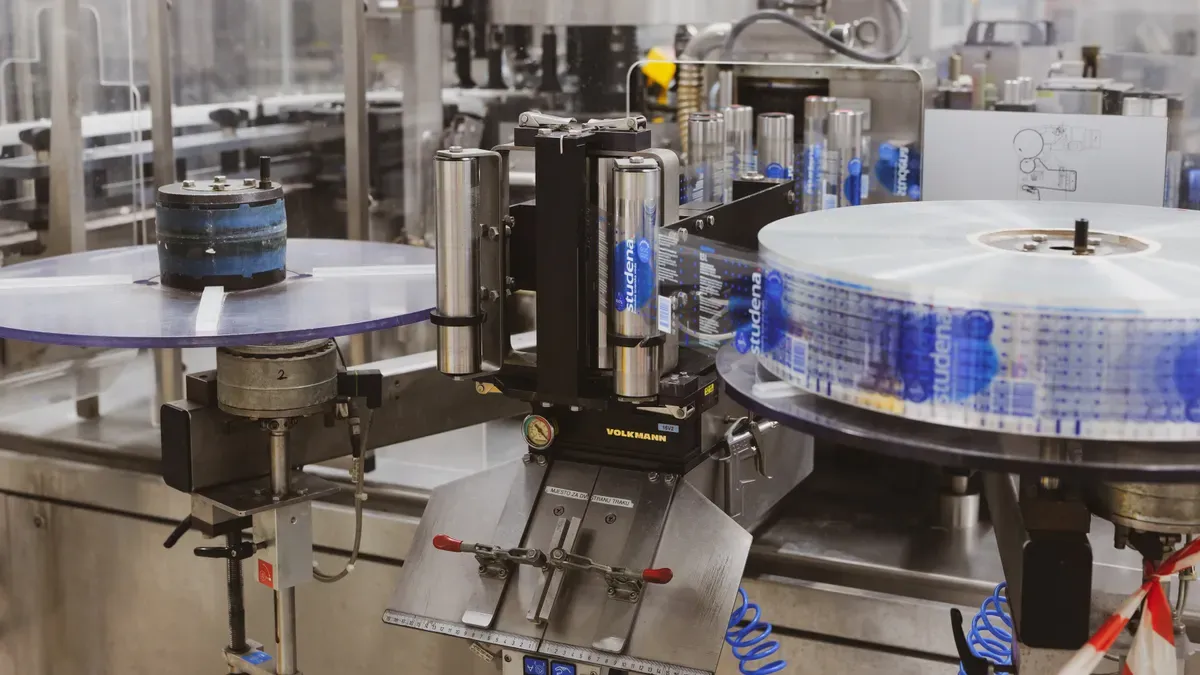
Picture your factory floor full of solvent fumes, fire hazards, and uneven polishing results. Kesh water-based polishing wetting agents remove these problems and increase your output. You cut fire risk, lower VOC emissions, and get even finishes. This post gives a close look at the benefits for work, safety, and money of changing from solvent-based to water-based technology. These agents are the future of sustainable manufacturing.
Key Takeaways
Kesh water-based agents get rid of fire dangers and lower VOC emissions by 90 percent, making the workplace safer.
Biodegradable formulas make it easy to follow environmental rules and cut waste removal costs.
Better flow and longer abrasive life mean less rework, which saves time and improves the quality of the finish.
Safety and Environmental Benefits of Water-Based Polishing Wetting Agents
Reducing Fire Hazards and VOC Emissions
Solvent-based polishing agents create serious dangers on your factory floor. These products release volatile organic compounds, or VOCs, into the air you breathe. They also carry high flammability risks. One spark near an open container can ignite a devastating fire. Kesh water-based polishing wetting agents eliminate this threat at the source. Water forms the base of these formulas, so they do not catch fire easily. You remove a major safety hazard from your daily operations.
The VOC reduction is dramatic. Switching to Kesh water-based polishing wetting agents lowers VOC emissions by up to 90 percent compared to traditional solvent products. This change improves air quality throughout your facility. Your workers breathe cleaner air. They experience fewer headaches, less dizziness, and reduced respiratory irritation. Kesh prioritizes worker safety in every formulation. The company designs each product with human health as the primary consideration.
Consider the contrast between these two technologies:
Risk Factor | Solvent-Based Agents | Kesh Water-Based Agents |
|---|---|---|
Flammability | Highly flammable, flash points near room temperature | Non-flammable, no flash point risk |
Toxic fumes | Releases harmful VOCs continuously | Up to 90% lower VOC emissions |
Worker exposure | Requires respirators and ventilation | Standard ventilation sufficient |
Storage requirements | Special fire-rated cabinets | Ordinary shelving works fine |
Spill cleanup | Hazardous waste protocol | Simple water cleanup |
This table shows the practical differences you experience daily. Your insurance premiums may decrease with lower fire risk. Your workers’ compensation claims may drop with fewer exposure incidents. Your safety inspections become simpler and faster.
Biodegradable Formulations for Easier Compliance
Environmental regulations grow stricter each year. You face pressure from the EPA, OSHA, and local authorities to reduce your environmental footprint. Kesh water-based polishing wetting agents help you meet these requirements without expensive modifications.
These formulations are readily biodegradable. They break down naturally in the environment within a short timeframe. Solvent-based products persist in soil and water for years. They contaminate groundwater and harm wildlife. Water-based agents avoid these problems entirely. You dispose of waste more easily. You reduce your hazardous waste disposal costs significantly.
Compliance becomes straightforward. OSHA standards for air quality become easier to meet when your VOC levels drop by 90 percent. EPA regulations for waste disposal become simpler when your waste stream is biodegradable. You spend less time on paperwork and documentation. You spend less money on specialized disposal services. You reduce your liability for environmental damage.
The financial benefits extend beyond compliance. Lower insurance rates reflect your reduced risk profile. Fewer safety incidents mean less downtime and lower medical costs. Cleaner air means healthier, more productive workers. These savings compound over time. The initial investment in water-based technology pays for itself through operational improvements.
Kesh stands behind these environmental claims with rigorous testing. Independent laboratories verify the biodegradability and safety of every formulation. You receive documentation that supports your compliance efforts. You gain peace of mind knowing your operations protect both your workers and the environment.
Efficiency and Quality Gains with Kesh Water-Based Agents
When you move to Kesh water-based polishing wetting agents, you see fast upgrades in your polishing results. The science behind these products works in a different way than solvent-based ones. Two main areas show the biggest gains: better flow and leveling for even finishes, and better abrasive performance that cuts down on rework.
Improving Flow and Leveling for Uniform Finishes
Water-based polishing wetting agents reduce the surface tension of your polishing liquid. This drop lets the liquid spread evenly over the whole workpiece. The liquid gets into micro-surfaces and tiny scratches. Solvent-based products often miss these small details. You get a perfect finish on every part.
Think about the physics at work. High surface tension makes liquid bead up and pull away from small features. Low surface tension lets the liquid flow freely into every crack. Your polishing compound reaches every part of the surface. You remove uneven spots and uneven shine.
The leveling effect is just as important. The wetting agent keeps the polishing slurry even across the surface. You avoid thick spots and thin spots. Every area gets the same amount of polishing action. The result is a steady, high-quality finish from the first pass to the last.
Enhancing Abrasive Performance and Reducing Rework
Water-soluble polymers in Kesh agents create a stress relaxation effect on abrasive grains. The polymers surround each grain and cushion it during polishing. This cushioning lowers the force that would normally break or dull the abrasive. Your abrasives last longer and cut more effectively.
The stress relaxation effect means you use fewer abrasive products over time. Each grain stays sharp and active for more polishing cycles. You replace abrasives less often. You spend less money on supplies. The quality improvement shows up in your defect rates.
A factory that switched to Kesh water-based polishing wetting agents saw a big drop in surface defects. Cycle time dropped a lot because workers spent less time re-polishing parts. The same factory reported a meaningful increase in abrasive life. These improvements came from real production data over six months.
Rework costs add up fast. Each part that needs re-polishing takes extra time, extra labor, and extra materials. You reduce these costs when you use water-based agents. The first pass gives a better finish. You send fewer parts back for rework. Your production line runs smoother and faster.
The mix of better flow and longer abrasive life gives you a quality edge. You make more good parts in less time. Your customers see the difference in the final product. You build a reputation for steady quality.
Kesh water-based polishing wetting agents deliver both safety and performance. You reduce fire risks, cut VOC emissions by up to 90 percent, and simplify compliance. You also achieve better flow, leveling, and abrasive efficiency. This switch improves your bottom line strategically. Request a sample or pilot trial today to see measurable benefits firsthand.
FAQ
How quickly can I see VOC reduction after switching?
You will notice the difference right away. The air gets cleaner on the very first day. Tests show up to 90 percent fewer VOC emissions within the first week of use.
Do water-based agents work on all polishing surfaces?
Yes, they work on metals, ceramics, and composites. The low surface tension helps the liquid spread evenly on any material. You get the same good results on every piece you polish.
Will I need new equipment for water-based agents?
No, you can keep your current machines. Kesh formulas work with standard polishing equipment. You just swap the solvent-based product for the water-based one. No changes are needed.