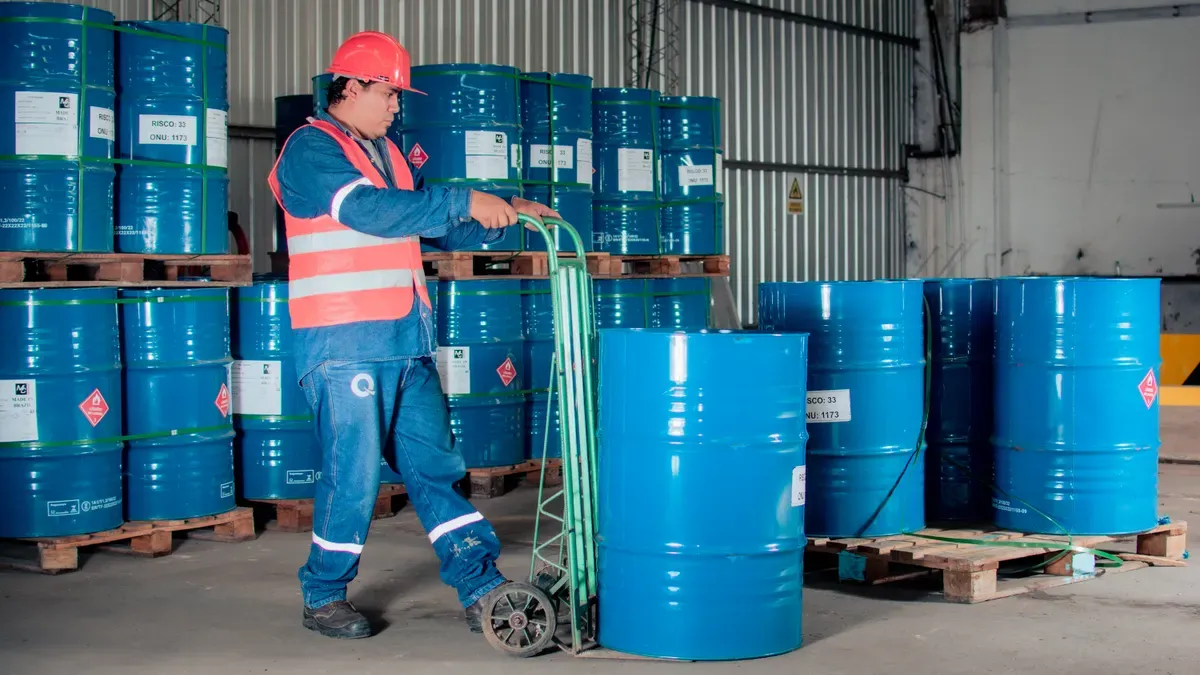
Effective cleaning chemicals are critical for your manufacturing operations, product quality, and worker safety. The selection of these cleaning chemicals and cleaning solutions evolves with new regulations and sustainability goals. You need to understand various types of cleaning chemicals and types of cleaning agents for efficient cleaning. This guide helps you choose the right manufacturing cleaner for maintaining hygiene and cleanliness, ensuring safety with these chemicals for optimal cleaning.
Key Takeaways
Different cleaning chemicals solve different problems like removing grease, rust, or daily dirt from factory machines.
New cleaning products focus on killing germs, using eco-friendly formulas, and protecting expensive metal parts from damage.
Workers must follow safety rules, wear protective equipment, and store chemicals correctly to prevent accidents and contamination.
Essential Manufacturing Cleaning Chemicals
You need a diverse arsenal of cleaning chemicals to maintain operational efficiency and product quality in your manufacturing facility. Each type serves a distinct purpose, making it indispensable for specific cleaning challenges. Understanding these fundamental types of cleaning agents helps you select the right solutions for your needs.
Alkaline Cleaners: Powerful Degreasers
Alkaline cleaners are powerful degreasers you use to break down organic matter, fats, and proteins in industrial environments. These essential cleaning chemicals are crucial for removing stubborn residues. For instance, in dairy farming and milking parlor systems, you utilize alkaline detergents to eliminate organic materials like fats and proteins from processing equipment, including pipes and storage tanks. Alternating these alkaline cleaning products with acid-based products effectively disinfects hardware and inhibits bacterial growth.
Many types of cleaning agents fall into this category, each with specific applications. For example, Gleam 90 is an alkaline powder you use for cleaning food processing machinery, bottle washing, and CIP systems. Protek BWA I, a caustic additive blend, is ideal for bottle washing in beverage, sauce, and brewing facilities. For heavy-duty tasks, Proven is a cleaner/degreaser that removes carbon deposits and baked-on grease from ovens. You also find liquid alkaline cleaners like Protector for CIP operations and food processing equipment. For dual-action cleaning and sanitizing, TC 830 combines chlorine and alkaline chemicals for stainless steel equipment.
Product Name | Chemical Composition / Type | Primary Functions and Applications |
|---|---|---|
Carbon removal | Alkaline formulation | Multi-surface cleaning for equipment, floors, and walls |
Gleam 90 | Alkaline powder | Cleaning food processing machinery, bottle washing, and CIP systems |
GP Clean | Alkaline degreaser | Eliminating light oil and grease from surfaces and equipment |
Protek BWA I | Caustic additive blend | Bottle washing in beverage, sauce, and brewing facilities |
Proven | Heavy-duty cleaner/degreaser | Removing carbon deposits and baked-on grease in ovens |
Protector | Liquid alkaline cleaner | CIP operations, bottle washing, and food processing equipment |
RD 173 | Chloride-alkaline mixture | Degreasing floors, tables, and food processing tools |
Regime 2 | Low-foaming alkaline detergent | CIP cleaning in food manufacturing facilities |
Speed M | Metal-safe alkaline powder | General cleaning of machinery, walls, and floors |
TC 830 | Chlorine-alkaline combination | Dual-action cleaning and sanitizing for stainless steel equipment and CIP |
Ultimate | Alkaline detergent with sanitizer | CIP processing and food equipment sanitation |
For specialized industrial applications, you might use specific alkaline degreasers. AMAZY O-30, an amine oxide and alkaline blend, effectively degreases oil from hard surfaces like floors, walls, and stainless steel. Similarly, AMAZY O-40, another alkaline mixture, removes oil from various hard surfaces. In biopharmaceutical manufacturing, you rely on CIP 150® Alkaline Process Cleaner to tackle challenging protein-based process residues. ProKlenz® Foam Alkaline Cleaner handles fats, oils, and organic soils on processing equipment in pharmaceutical and biotechnology industries. These powerful degreasers are indispensable for maintaining hygiene and thorough cleaning.
Acidic Cleaners: Scale and Rust Removers
You also need acidic cleaners to tackle specific challenges like scale and rust. These cleaning chemicals, containing substances like hydrochloric, nitric, or phosphoric acid, remove mineral deposits, scale, rust, and tough inorganic stains. They are crucial for maintaining equipment and cleaning surfaces effectively.
Acidic cleaning agents have many common applications:
Bathroom and Fixture Cleaning: You find them in tub and tile cleaners, toilet bowl formulations, and soap scum dissolvers.
Mineral & Scale Removal: They are highly effective for eliminating hard water build-up, limescale, and inorganic mineral crusts.
Rust & Stain Treatment: These cleaning products specifically break down and lift stubborn rust stains and rust spots.
Surface Brightening & Sanitization: You employ them to sanitize surfaces while restoring brightness to dulled materials.
Mold & Mildew Control: They are utilized in specialized mold removal products.
Mild Household Applications: Natural, mild acids like lemon juice and vinegar serve as versatile spot cleaners for minor spills across various domestic surfaces.
These types of cleaning agents ensure your equipment remains free from corrosive build-up and maintains optimal performance.
Neutral Cleaners: General Surface Solutions
Neutral cleaners offer versatile solutions for general surface cleaning. These cleaning products are suitable for daily maintenance without damaging sensitive materials. They provide effective cleaning without the aggressive properties of strong acids or alkalis. You use them for routine tasks where you need to remove light soils and maintain cleanliness without risking damage to delicate equipment or finishes. These types of cleaning agents are a staple for general upkeep and regular cleaning solutions.
Solvents: Specialized Contaminant Dissolution
Solvents play a critical role in specialized contaminant dissolution. They dissolve specific, often stubborn, contaminants that other cleaning chemicals cannot address. Their targeted application makes them indispensable for particular cleaning tasks.
For example, you use solvents for machinery degreasing. Solvents like MDT Bunol 5 clear lubricating oils and greases from industrial gear, including lathes, stamping setups, and CNC machinery. In electronics cleaning, you wipe off persistent silicone oil residues from printed circuit boards and sensitive electrical components. For automotive and parts preparation, you apply solvents to eliminate engine oil, carbon soot, and general buildup from automotive components before final assembly.
Solvent-based degreasers, formulated from petroleum or natural oils, break down heavy fats, tar, and stubborn soil into smaller suspended particles. This allows you to wash away the contaminants easily. These degreasers are standard across heavy industries such as aerospace, marine, rail, automotive, and power generation. A good manufacturing cleaner often includes specialized solvents for these tough jobs, ensuring all contaminants are removed.
Specialized Cleaning Products and Future Trends
You need to look beyond basic cleaners to maintain a truly pristine and efficient manufacturing environment. Specialized cleaning products and emerging trends offer advanced solutions for complex challenges. These innovations focus on enhanced performance, sustainability, and asset protection.
Disinfectants: Microbial Control Agents
Disinfectants are crucial for industrial facility sanitation and microbial control. You use these powerful cleaning chemicals to kill germs and bacteria, ensuring a sterile environment. They play a vital role in preventing the spread of infections and maintaining hygiene, especially in sensitive manufacturing sectors like food, beverage, and pharmaceuticals.
You will find various types of cleaning agents in the disinfectant category, each with specific applications:
Chemical Compound | Specific Manufacturing Applications |
|---|---|
Sodium Hypochlorite (Bleach) | Used for broad-spectrum disinfection of processing equipment, surface area sanitation, and industrial water treatment. |
Hydrogen Peroxide | Applied as a vapor for cleanroom decontamination, sterilizing pharmaceutical equipment, and treating industrial process streams against spores, viruses, bacteria, and fungi. |
Quaternary Ammonium Compounds (QACs) | Deployed in cleanroom settings, equipment maintenance, and general surface disinfection. |
Peracetic Acid (Peroxyacetic Acid) | Utilized for broad-spectrum antimicrobial action on equipment, surfaces, and packaging, particularly effective against foodborne pathogens. |
For example, you apply Quaternary Ammonium Compounds (QACs) to food-contact surfaces at 200 ppm. You leave them to dry, and they leave an active germicidal residue. This residue continues to suppress microbial growth. You also pair Peracetic Acid (PAA) with stabilized hydrogen peroxide. This combination sanitizes cold-environment equipment held below ambient temperatures, around 4 °C. It is highly active in biofilm removal. These disinfectants and sanitizers are essential cleaning products for reducing the number of germs and ensuring thorough sanitizing.
Green Formulations: Sustainable Cleaning
The manufacturing industry increasingly prioritizes sustainability. This shift drives the growing importance of environmentally friendly and sustainable cleaning formulations. These green cleaning products offer significant benefits. They reduce your environmental footprint and often improve worker safety by minimizing exposure to harsh chemicals. You can find these sustainable cleaning solutions for various applications, from general surface cleaning to specialized equipment maintenance. They help you achieve effective cleaning while aligning with your corporate responsibility goals.
Advanced Surfactants: Enhanced Cleaning Power
Advanced surfactants and emulsifiers significantly improve the efficacy of cleaning solutions. Surfactants work by reducing the surface tension of water. This allows the cleaning solution to penetrate soils more effectively. Emulsifiers help suspend oils and greases in water, preventing them from redepositing on surfaces. These advanced cleaning products are engineered to tackle complex contaminants, making your cleaning processes more efficient. They ensure thorough removal of stubborn residues, even in challenging industrial settings.
Corrosion Inhibitors: Asset Protection
Protecting your manufacturing equipment from chemical degradation during cleaning processes is paramount. Corrosion inhibitors and passivation agents serve this critical function. Without proper corrosion inhibitor application, your cooling water infrastructure suffers severe structural degradation. You will see a loss of metal wall thickness and mechanical strength. This leads to the formation of structural breaches and fluid leaks. It also causes system-wide contamination and premature heat exchanger failures.
On stainless steel components, passivation processes generate a defensive oxide barrier across the material’s surface. This effectively eliminates initial sites where corrosion could otherwise take hold.
You can understand their distinct roles:
Treatment Type | Primary Function & Mechanism | Operational Benefit |
|---|---|---|
Passivation Agents | Rapidly builds an initial protective oxide or inhibitor film on newly cleaned metallic surfaces. | Cleans out debris, mitigates initial corrosion triggers, and optimizes energy performance. |
Corrosion Inhibitors | Continuously maintains a surface film to shield metals (e.g., steel, copper, aluminum) from oxygen exposure, glycol breakdown, and galvanic reactions. | Prevents localized pitting, structural thinning, fluid leakage, and costly equipment breakdowns. |
These specialized chemicals protect your valuable assets. They extend the lifespan of your machinery and reduce costly downtime. You ensure your equipment remains in optimal condition by incorporating these cleaning products into your maintenance regimen. This proactive approach to asset protection is a key component of effective cleaning.
Safe Chemical Handling and Compliance
You must prioritize safe chemical handling and compliance in your manufacturing facility. This ensures worker safety, operational efficiency, and adherence to regulations. Understanding and implementing proper protocols for cleaning chemicals is crucial.
Personal Protective Equipment
You need to wear appropriate personal protective equipment (PPE) when handling cleaning chemicals. This protects you from splashes and toxic compounds. PPE materials must have specific chemical resistance, as dictated by the chemical’s Safety Data Sheet (SDS).
PPE Category | Equipment Examples |
|---|---|
Respiratory Protection | Respirators, face masks |
Eye & Face Protection | Safety goggles, face shields, safety glasses |
Skin & Body Protection | Protective gloves, aprons, chemical suits, coveralls |
Foot Protection | Chemical-resistant rubber/neoprene/PVC boots, safety footwear |
You should conduct a hazard assessment to identify chemical types and exposure methods. Always consult the SDS for exact PPE requirements. Inspect and replace damaged gear immediately. Wash reusable gear thoroughly after handling chemicals and store it properly.
Chemical Storage and Inventory
Proper chemical storage is vital for safety. Facilities under quality frameworks like ISO or GMP must have designated chemical storage spaces. Keeping chemicals on floors or active workbenches leads to non-compliance.
Chemical Hazard Classification | Required Storage Control | Compliance & Operational Objective |
|---|---|---|
Corrosive Substances | Dedicated blue safety cabinets for isolation | Prevents hazardous chemical reactions and adheres to occupational safety regulations |
Agricultural / Pesticide Chemicals | Dedicated green safety cabinets | Mitigates contamination risks, aligns with environmental protection mandates, and enhances inventory tracking |
Toxic Materials | Dedicated white safety containment cabinets | Reduces exposure hazards, prevents environmental release, and fulfills workplace safety requirements |
You must keep incompatible substances physically isolated to prevent hazardous reactions. Ensure adequate ventilation to prevent vapor accumulation. Use secondary containment for tanks to capture leaks. Clearly label all containers and conduct routine inspections for safety.
Understanding Safety Data Sheets
Safety Data Sheets (SDS) are essential for chemical safety. They provide critical information about the chemicals you use. An SDS follows a standard 16-section GHS layout, and all sections must remain current and legible.
Identification of hazardous components
Health hazard disclosures and risk warnings
Fire and explosion safety data
Instructions for safe usage, handling, storage, and proper disposal
Special handling precautions for workers
Continuous 24-hour emergency contact telephone number
You should review SDS documents before handling any substances. Pay attention to pictograms, signal words, and hazard statements. These indicate the severity of risks. Implement safety precautions like wearing recommended personal protective equipment. Integrate SDS data into your emergency response plans. Train all workers on how to locate, read, and apply SDS information to maintain safety and prevent regulatory citations.
Regulatory Compliance and Environmental Impact
You must comply with various regulatory bodies regarding chemical use. These regulations ensure environmental protection and worker safety. For example, the Pollution Control Department mandates treated wastewater discharge criteria.
Regulatory Agency | Governing Scope & Regulations | Compliance Requirements |
|---|---|---|
Department of Industrial Works (DIW) / Ministry of Industry | Factory Act B.E. 2535 (1992) | Oversees industrial plant licensing, operational permits, and safety protocols for cooling system installations and modifications. |
Pollution Control Department (PCD) / Ministry of Natural Resources and Environment | Water Quality & Effluent Standards | Mandates treated wastewater discharge criteria before release into public water bodies, including pH (6.0–9.0), BOD, COD, total suspended solids, heavy metals, and temperature control. |
In Europe, manufacturers must register chemicals exceeding 1 ton annually with the ECHA. High-risk substances require authorization. Substances posing unacceptable hazards face restrictions or bans. You must also declare specific hazardous chemicals to local authorities. This ensures responsible management of cleaning products and minimizes environmental impact. Adhering to these safety precautions is vital for sustainable operations and overall hygiene.
You need a well-chosen arsenal of cleaning chemicals for a safe, efficient, and compliant manufacturing environment. Understand each chemical’s function, application, and safety protocols. Staying informed about evolving cleaning technologies and regulations is key. Prioritize chemical selection, training, and safety precautions for sustained success. Your manufacturing cleaner choices are vital.
FAQ
How do I choose the right cleaning chemicals for my facility?
You choose based on the specific contaminants and surfaces. Consider alkaline degreasers for fats, acidic cleaners for scale, and neutral cleaning products for general tasks.
What is the difference between disinfectants and sanitizers?
Disinfectants kill most germs on surfaces. Sanitizers reduce germs to a safe level. You use both for microbial control and hygiene.
When should I use specialized degreasers?
You use specialized degreasers for stubborn contaminants like heavy oils, tar, or carbon deposits. They are crucial for machinery and automotive parts.