Choosing the right heavy-duty industrial cleaner is vital for effective cleaning and workplace safety. The type of cleaner you select can significantly influence air quality and employee health. Recent trends show a shift toward sustainable options, emphasizing safety without compromising effectiveness. Understanding your specific cleaning needs helps you make informed decisions.
Key Takeaways
Identify the type of contamination before choosing a cleaner. This ensures you select the most effective product for your specific cleaning needs.
Match the cleaner to the surface type to prevent damage. Different surfaces react differently to cleaning agents, so choose wisely.
Consult Safety Data Sheets (SDS) for safe handling of cleaners. Understanding hazards helps maintain a safe working environment.
Types of Contaminants
Common Contaminants
In industrial settings, you often encounter various contaminants that require heavy-duty cleaning. Some of the most common include:
Crude Oil: This sticky substance can accumulate on machinery and surfaces, leading to operational inefficiencies.
Tar: Tar is notoriously difficult to remove and can cause significant damage if left untreated.
Industrial Grease: This thick substance can build up on equipment, affecting performance and safety.
These contaminants can severely impact the longevity and performance of your equipment. For instance, regular tank cleaning prevents sediment accumulation, which can damage structural integrity. Clean tanks optimize material transfer and mixing, enhancing overall productivity. Preventive cleaning measures also reduce corrosion risks, minimizing unexpected failures and costly repairs.
Assessing Cleaning Needs
To determine the right industrial cleaner for your specific situation, you must assess your cleaning needs carefully. Here are some steps to guide you:
Identify the type of contamination (e.g., grease, rust, scale, organic waste) to choose the appropriate cleaner.
Match the cleaner to the surface type to prevent damage (e.g., metal, concrete, plastic).
Evaluate safety and compliance with local and international standards (e.g., OSHA, REACH).
Consider the application method and equipment compatibility (e.g., manual application, pressure washers, automated systems).
When dealing with grease and oils, you might want to use solvent-based degreasers or alkaline cleaners. For rust and scale removal, acid-based products work effectively. Strong carbon removers are ideal for carbon buildup, while general-purpose cleaners can tackle dust, grime, and debris. If microbial growth is a concern, biocidal or disinfectant formulations are essential.
Understanding these factors will help you select the right industrial cleaner for your needs, ensuring effective heavy-duty cleaning.
Surface Compatibility for Industrial Cleaners
Identifying Surface Types
When you choose a heavy-duty industrial cleaner, understanding the types of surfaces in your environment is crucial. Different surfaces require specific cleaning methods to avoid damage. Here are some common surface types found in industrial settings:
Factories
Warehouses
Distribution centers
Power plants
Hospitals
Pharmaceutical production facilities
Each of these environments presents unique challenges. For example, rough and uneven floors often need robust scrubbers with aggressive brushes. In contrast, smooth surfaces like polished concrete or vinyl require softer brushes to prevent scratches and damage. Greasy or oily floors, such as those in automotive workshops, necessitate scrubbers equipped with strong detergent systems.
Matching Cleaners to Surfaces
Selecting the right industrial cleaner involves matching the cleaner to the surface material. Different materials react differently to cleaning agents. Here are some guidelines to help you make the right choice:
Acid-sensitive surfaces: Materials like marble and travertine need alkaline or neutral cleaning agents. Using acidic cleaners can cause irreversible damage.
Metal surfaces: These often require heavy-duty detergents that can cut through grease and grime without causing corrosion.
Concrete surfaces: For these, you may need a degreaser that can handle tough stains while being safe for the porous material.
Testing a small area before full application is always a wise approach. This helps you determine the appropriate cleaning method and agent without risking damage to the entire surface.
To further assist you, here’s a table summarizing different types of degreasers and their best applications:
Type of Degreaser | Best For | Advantages | Use Case |
|---|---|---|---|
Water-Based Degreasers | General purpose and light industrial use | Non-flammable, environmentally friendly | Effective for cleaning engine bays and parts in automotive settings. |
Solvent-Based Degreasers | Heavy-duty grease and oil buildup | High power for tough grease removal | Ideal for mining and logistics equipment cleaning. |
Eco-Friendly Degreasers | Industries concerned with environmental impact | Biodegradable, non-toxic | Suitable for companies aiming for sustainability without performance loss. |
By understanding surface compatibility and selecting the right industrial cleaner, you ensure effective heavy-duty cleaning while maintaining the integrity of your surfaces.
Safety and Environmental Standards
Safety Data Sheets
When using heavy-duty industrial cleaners, you must consult Safety Data Sheets (SDS). These documents provide essential information for safe handling and application. Each SDS contains critical sections, including:
Section Number | Section Title |
|---|---|
1 | Identification of the substance |
2 | Hazards identification |
3 | Composition/information on ingredients |
4 | First aid measures |
5 | Firefighting measures |
6 | Accidental release measures |
7 | Handling and storage |
8 | Exposure controls/personal protection |
9 | Physical and chemical properties |
10 | Stability and reactivity |
11 | Toxicological information |
12 | Ecological information |
13 | Disposal considerations |
14 | Transport information |
15 | Regulatory information |
16 | Other information |
Understanding these sections helps you identify potential hazards, such as ammonia or bleach, which can cause irritation or burns. Always prioritize safety and compliance when selecting an industrial cleaner.
Eco-Friendly Heavy-Duty Detergents
Eco-friendly heavy-duty detergents offer effective cleaning solutions while minimizing environmental impact. These products often comply with regulations regarding volatile organic compounds (VOCs) and are biodegradable. Here are some benefits of using eco-friendly options:
Lower environmental impact due to non-toxic ingredients.
Comparable cleaning performance to traditional cleaners.
Reduced health risks for workers.
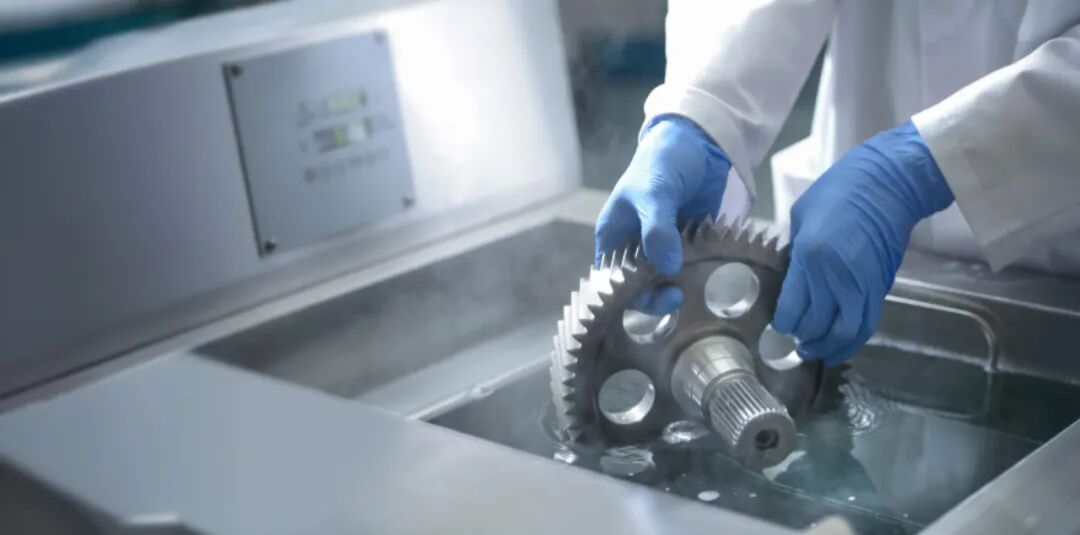
Using eco-friendly cleaners not only supports sustainability but also enhances workplace safety. For example, products like the Torrent 500 parts washer eliminate hazardous waste while maintaining cleaning efficiency. By choosing the right industrial cleaner, you contribute to a safer and more sustainable environment.
Selecting the right heavy-duty cleaner is crucial for your operations. You should match cleaners to contaminants and surfaces. This approach enhances cleaning efficiency and minimizes damage. Prioritizing safety and compliance creates a safer workplace. Informed choices lead to better performance and fewer interruptions in your industrial setting.
FAQ
What is a heavy-duty cleaner?
Heavy-duty cleaners are powerful cleaning agents designed to tackle tough stains and contaminants in industrial settings.
How do I choose the right cleaner for my needs?
Identify the type of contaminant and surface material. Match the cleaner accordingly for effective results.
Are eco-friendly cleaners as effective as traditional ones?
Yes! Eco-friendly cleaners often provide comparable cleaning power while being safer for the environment and your health.