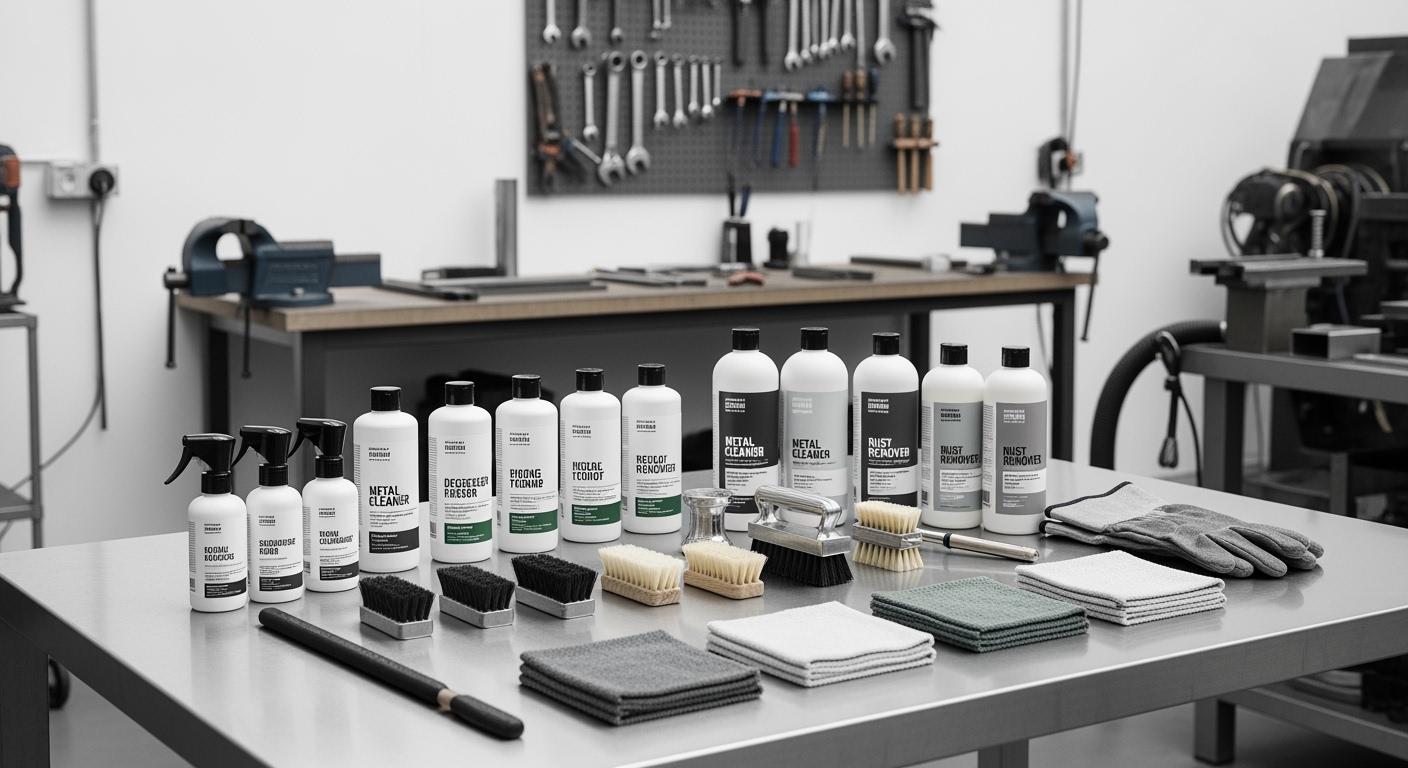
Find the Best 10 Industrial Cleaners for Your Metal Projects
Choosing the best industrial cleaner for metal projects is crucial. Effective cleaning enhances the durability and appearance of metal surfaces. You will find various cleaners, each designed for specific applications. For instance, solvent-based cleaners excel at removing tough contaminants like grease, while water-based cleaners offer a safer alternative with lower chemical exposure risks.
Key Takeaways
Choose the right cleaner based on the type of metal and contaminants. This ensures effective cleaning and prevents damage.
Consider using biodegradable alkaline degreasers for heavy grease. They are effective and environmentally friendly.
Always prioritize safety when using acidic cleaners. Wear protective gear and follow safety guidelines to avoid injuries.
Best Industrial Cleaners for Metal
Solvent Cleaners
When you need to tackle tough contaminants on metal surfaces, solvent cleaners are often your best choice. These cleaners excel at dissolving oils, grease, and even paint, making them highly effective for various industrial applications. Here are some key points to consider:
Solvent-based cleaners effectively remove oils and grease by dissolving contaminants.
They often contain volatile organic compounds (VOCs), which can raise environmental concerns.
Proper ventilation is necessary due to potent fumes.
For instance, Ecolink offers a variety of high-quality solvents designed specifically for cleaning and degreasing metal surfaces. These solvents effectively remove oil, grease, and paint without damaging the metal. They provide safe options for cleaning different types of metals, including stainless steel.
Alkaline Degreasers
Alkaline degreasers are another excellent option for cleaning metal surfaces. They work by breaking down heavy grease and oils through a chemical reaction. This makes them particularly useful in industrial settings where heavy contaminants are common. Here are some benefits of using alkaline degreasers:
They are effective at removing stubborn contaminants that solvent cleaners may struggle with.
Many alkaline degreasers are biodegradable, making them a more environmentally friendly choice.
They often require less scrubbing, saving you time and effort during the cleaning process.
When selecting an alkaline degreaser, look for products that are specifically formulated for metal surfaces. This ensures that you achieve the best results without risking damage to the material.
Degreasers for Heavy Contaminants
When dealing with heavy oils and grease, you need powerful degreasers that can handle tough cleaning tasks. Two types of degreasers stand out for their effectiveness: high alkaline degreasers and citrus degreasers. Each offers unique benefits for heavy-duty cleaning.
High Alkaline Degreasers
High alkaline degreasers are formulated to tackle the most stubborn contaminants. They work by breaking down heavy grease and oils through a strong chemical reaction. Here are some key features of high alkaline degreasers:
Powerful Cleaning Action: These degreasers penetrate deep into grime, making them ideal for industrial settings.
Versatile Applications: You can use them on various metal surfaces, including machinery and tools.
Time-Saving: High alkaline degreasers often require less scrubbing, allowing you to clean more efficiently.
One popular product in this category is POWER CLEAN XL. This degreaser is known for its ability to dissolve heavy oils and grease quickly. It’s perfect for environments where heavy-duty cleaning is essential.
Citrus Degreasers
Citrus degreasers provide a more environmentally friendly option for cleaning metal surfaces. They utilize natural citrus extracts to break down grease and oils. Here are some advantages of using citrus degreasers:
Non-Toxic: Citrus degreasers are safer for you and the environment compared to traditional solvents.
Pleasant Scent: The natural citrus fragrance makes the cleaning process more enjoyable.
Effective on Light Contaminants: While they may not be as powerful as high alkaline degreasers, they work well for lighter grease and oil.
Blue Gold is a well-known citrus degreaser that effectively cleans metal surfaces without harsh chemicals. It’s an excellent choice for those who prioritize safety and environmental impact.
Acidic Cleaners for Metal
Acidic cleaners play a vital role in metal cleaning, especially when dealing with rust, scale, and mineral deposits. These cleaners utilize hydrogen ions (H⁺) to dissolve inorganic materials effectively. Here’s how they work:
Rust and Scale Removal: Acidic cleaners excel at removing mineral deposits and oxidation. They are ideal for cleaning metals affected by lime and rust.
Brightening Metals: These cleaners can brighten metal surfaces, enhancing their appearance and prolonging their lifespan.
You will find that acidic cleaners are particularly effective in environments like restrooms and kitchens, where tough stains and scale often accumulate. Their ability to tackle these issues makes them a valuable tool in your cleaning arsenal.
Effectiveness
When comparing acidic cleaners to alkaline or neutral cleaners, you will notice distinct advantages. Acidic cleaners are specifically designed to handle mineral deposits and oxidation, while alkaline cleaners work better on organic residues like oils and fats. This means that the choice of cleaner depends on the type of soil present on the metal surface.
However, using acidic cleaners requires caution. Here are some important safety considerations:
DANGER: Acidic cleaners may be corrosive to metal. They can cause severe skin burns and eye damage. Additionally, they are harmful if swallowed and toxic to aquatic life with long-lasting effects.
PRECAUTION: Always wear protective gloves, clothing, and eye protection. Avoid breathing in dust, fumes, or mist. Keep the cleaner in its original container and do not eat, drink, or smoke while using it.
FIRST AID: If swallowed, rinse your mouth and do not induce vomiting. If the cleaner comes into contact with skin, remove contaminated clothing and rinse the skin with water. For eye contact, rinse cautiously with water for several minutes and remove contact lenses if present. Seek medical attention immediately if necessary.
Applications
Acidic cleaners find applications in various industrial settings. You can use them effectively on:
Metal Surfaces: Ideal for cleaning machinery and tools that accumulate rust and mineral deposits.
Restrooms and Kitchens: Perfect for tackling tough stains and scale buildup.
By understanding the effectiveness and applications of acidic cleaners, you can make informed decisions about your cleaning processes. Always prioritize safety and choose the right cleaner for your specific needs.
Clean Cast Aluminum Furniture
Cleaning cast aluminum furniture requires specific products and techniques to maintain its finish and integrity. You should always choose non-corrosive agents to avoid damaging the surface. Here are some recommended products for cleaning:
Mild dish soap
Aluminum-safe cleaners
Soft-bristled brushes or sponges
Using these products will help you effectively clean cast aluminum furniture without causing harm.
Recommended Products
When selecting cleaners, look for those specifically designed for aluminum surfaces. Avoid harsh chemicals that can lead to corrosion. Opt for biodegradable options whenever possible. These products are safer for both you and the environment.
Cleaning Techniques
To clean cast aluminum furniture effectively, follow these best practices:
Mix warm water with a few drops of mild detergent in a bucket.
Use a soft-bristled brush or sponge to scrub the entire surface.
Rinse the furniture with clean water to remove any soap residue.
Allow it to dry completely; this step is crucial for ensuring proper paint adhesion.
By following these steps, you can keep your cast aluminum furniture looking great and extend its lifespan. Regular maintenance will prevent dirt buildup and preserve its appearance.
Specialty Cleaners
Specialty cleaners are designed for unique applications or materials. Unlike standard industrial cleaners, these products often utilize innovative methods and formulations tailored to specific cleaning challenges. They can effectively address issues that conventional cleaners may not handle well.
Overview
Specialty cleaners include a variety of products, such as dry ice blasting and corrosion-inhibiting sprays. These cleaners often provide solutions for specific problems, making them invaluable in certain industrial settings. Here’s a comparison of specialty cleaners and standard industrial cleaners:
Feature | Specialty Cleaners (e.g., Dry Ice Blasting) | Standard Industrial Cleaners |
|---|---|---|
Formulation | Unique methods, no traditional cleaning agents | Conventional formulations |
Intended Use | Specific applications, effective in narrow gaps | General cleaning applications |
Environmental Impact | Environment-friendly, no additional chemicals | May contain harsh chemicals |
Residue After Cleaning | No residues, sublimates to CO₂ | May leave residues or wastewater |
Surface Damage | Surfaces not damaged | Potential for surface damage |
This table highlights how specialty cleaners differ from standard options. They often provide safer and more effective solutions for specific cleaning tasks.
Applications
You can use specialty cleaners in various applications. For instance, dry ice blasting is an innovative method that uses solid carbon dioxide to clean surfaces without leaving residues. This technique is particularly effective for delicate machinery and sensitive components.
Corrosion-inhibiting sprays are another example. These products protect metal surfaces from rust and corrosion, extending the lifespan of equipment. They create a barrier that prevents moisture and contaminants from causing damage.
Neutral pH cleaners also fall under the specialty category. They are safer for sensitive metals, as they do not cause corrosion or damage to finishes. Here are some benefits of using neutral pH cleaners:
Gentle enough for frequent use without harming finishes.
Effective for removing dust, light dirt, and everyday soil.
Reduce the risk of corrosion, discoloration, or surface wear.
Neutral cleaners operate in the pH range of approximately 6.5 to 8.5. They rely on surfactant chemistry rather than reactive ion chemistry to remove soils. The principal advantage of neutral cleaners is substrate safety.
By understanding the unique features and applications of specialty cleaners, you can choose the right cleaning solutions for your specific needs. These products can enhance your industrial cleaning processes and ensure the longevity of your metal projects.
Choosing the right industrial cleaner for your metal projects is essential. Consider these common mistakes to avoid:
Metal Type: Different metals react uniquely to cleaners.
Contaminants: Match the cleaner to the type of soil present.
Cleaning Method: Select based on how you apply the cleaner.
Regular maintenance ensures your metal surfaces remain in top condition.
FAQ
What is the best way to clean cast aluminum furniture?
Use mild soap and water with a soft brush. This method effectively cleans without damaging high-quality aluminum furniture.
How often should I clean my industrial equipment?
You should clean your industrial equipment regularly to prevent buildup. This practice helps maintain efficiency and prolongs equipment life.
Can acidic cleaners damage metal surfaces?
Yes, acidic cleaners can corrode some metals. Always test on a small area first to ensure safety and effectiveness.