Why Your Machinery Needs Water Based Cleaners in 2026
In 2026, a water-based cleaner for machinery is becoming essential across various industries. These solutions are not only effective but also lead to significant cost savings. With stricter regulations on VOC emissions, businesses are transitioning to safer alternatives. Using a water-based cleaner for machinery minimizes health risks, ensuring a healthier workforce.
Key Takeaways
Switching to water-based cleaners can significantly reduce waste disposal costs, making it a budget-friendly choice for businesses.
Water-based cleaners improve workplace safety by lowering health risks, leading to fewer employee sick days and higher productivity.
These cleaners help businesses comply with environmental regulations while promoting sustainability, enhancing their reputation among eco-conscious consumers.
Cost Benefits of Water Based Cleaners
Reduced Waste Disposal Costs
Switching to a water-based cleaner for machinery can significantly cut down on waste disposal costs. Why? Well, the disposal process for solvent-based cleaners is often complicated and expensive due to the harmful chemicals they contain. In contrast, water-based cleaners typically generate less hazardous waste. This not only simplifies the disposal process but also leads to overall cost savings in waste management.
Using effective, high-quality cleaning solutions, like water-based cleaners, reduces the volume of waste generated. When companies use less effective chemicals, they often end up with larger quantities of waste, which can be costly to dispose of, especially if classified as hazardous. By opting for water-based solutions, businesses can minimize their waste and save money.
Here’s a quick comparison of waste disposal requirements:
Aspect | Water-Based Cleaners | Solvent-Based Cleaners |
|---|---|---|
Hazardous Waste | Produce less hazardous waste, simplifying disposal and reducing costs | Require careful handling and can be costly to dispose of due to hazardous nature |
Regulatory Compliance | Generally easier to comply with regulations due to lower toxicity | More stringent regulations due to hazardous components |
Cost Implications | Generally more budget-friendly upfront and lower disposal costs | Tend to be more expensive upfront and higher disposal costs due to hazardous waste |
Lower Material Costs
Another cost-saving benefit of water-based cleaners is their lower material costs. These cleaning solutions are often more affordable than their solvent-based counterparts. When businesses switch to a water base cleaning solution, they can expect to see a reduction in their overall cleaning expenses.
Moreover, water-based cleaners are effective in maintaining machinery, which can lead to fewer repairs and replacements. This means that companies can save money not just on cleaning supplies but also on maintenance costs. By investing in water-based cleaners, businesses can enjoy a cleaner environment and a healthier bottom line.
Health and Safety with Water-Based Cleaners
When it comes to maintaining a safe and healthy workplace, water-based cleaners are a game-changer. Unlike traditional solvent-based options, these cleaning solutions prioritize both employee well-being and operational safety. Let’s dive into how they make a difference.
Fewer Employee Sick Days
Did you know that switching to water-based cleaners can lead to fewer employee sick days? It’s true! These cleaners are primarily made of water, which means they contain fewer harsh chemicals. This reduces the risk of respiratory issues, skin irritation, and other health problems that are common with solvent-based alternatives.
Here’s why water-based cleaners are a healthier choice:
They emit lower levels of volatile organic compounds (VOCs), which improves indoor air quality.
They are non-flammable, eliminating fire hazards and the need for extensive ventilation.
Their mild formulations mean workers are less likely to experience chemical burns or allergic reactions.
By creating a safer environment, businesses can see a noticeable drop in absenteeism. Healthier employees mean higher productivity and lower costs associated with sick leave.
Safer Working Environment
A safer workplace isn’t just about reducing accidents; it’s about creating an environment where employees feel comfortable and protected. Water-based cleaners excel in this area.
Here’s a quick comparison of how water-based cleaners stack up against solvent-based options:
Feature | Water-Based Cleaners | Solvent-Based Cleaners |
|---|---|---|
Flammability | Non-flammable | Flammable |
Ventilation Requirements | Less ventilation needed | Requires adequate ventilation |
VOC Emissions | Lower VOC emissions | Higher VOC emissions |
Impact on Indoor Air Quality | Improves indoor air quality | Deteriorates indoor air quality |
As you can see, water-based cleaners significantly reduce risks in the workplace. They also minimize the need for heavy protective gear, thanks to their gentle formulations. This reduced need for protective equipment not only lowers costs but also makes it easier for employees to perform their tasks comfortably.
Additionally, water-based cleaners simplify compliance with hazardous material handling regulations. Businesses no longer need to invest heavily in training programs or specialized storage solutions for dangerous chemicals. This makes operations smoother and safer for everyone involved.
In manufacturing environments, where cleaning is a daily necessity, these benefits are even more pronounced. Workers can focus on their tasks without worrying about exposure to harmful substances. And for employers, fewer accidents and health issues mean lower insurance premiums and a more satisfied workforce.
Environmental Impact of Water Based Cleaners
Water-based cleaners are not just a smart choice for your machinery; they also have a positive impact on the environment. As we move into 2026, the need for eco-friendly solutions is more pressing than ever. Let’s explore how these cleaners help reduce harmful emissions and promote sustainability.
Reduced VOC Emissions
One of the standout features of water-based cleaners is their significantly lower volatile organic compound (VOC) emissions. VOCs are harmful chemicals that can contribute to air pollution and health issues. By choosing water-based cleaning solutions, businesses can dramatically reduce their VOC output.
Take a look at this comparison:
Feature | EDP | Traditional Spray |
|---|---|---|
Paint Utilization Rate | 95-98% | 60-80% |
VOC Emissions | <50g/L | >420g/L |
Waste Generation | <5% | >20% |
Energy Consumption | Lower | Higher |
As you can see, water-based cleaners not only produce fewer VOCs but also generate less waste. This makes them a flexible and sustainable solution for businesses looking to minimize their environmental footprint.
Sustainable Practices
Using water-based cleaners aligns with sustainable practices that many companies are striving for today. These cleaners often come with certifications that highlight their eco-friendliness. For instance, products can receive certifications like Green Seal or Ecologo, which indicate they meet high standards for protecting health and the environment.
Here’s a quick overview of these certifications:
Certification | Description |
|---|---|
Green Seal | Certifies products that meet high standards for protecting health and the environment. |
Ecologo | Focuses on environmental sustainability and safety standards. |
By opting for water-based cleaning solutions, businesses not only comply with environmental regulations but also contribute to a healthier planet. This commitment to sustainability can enhance a company’s reputation and appeal to environmentally conscious consumers.
Effectiveness of Water-Based Cleaners
Precision Cleaning
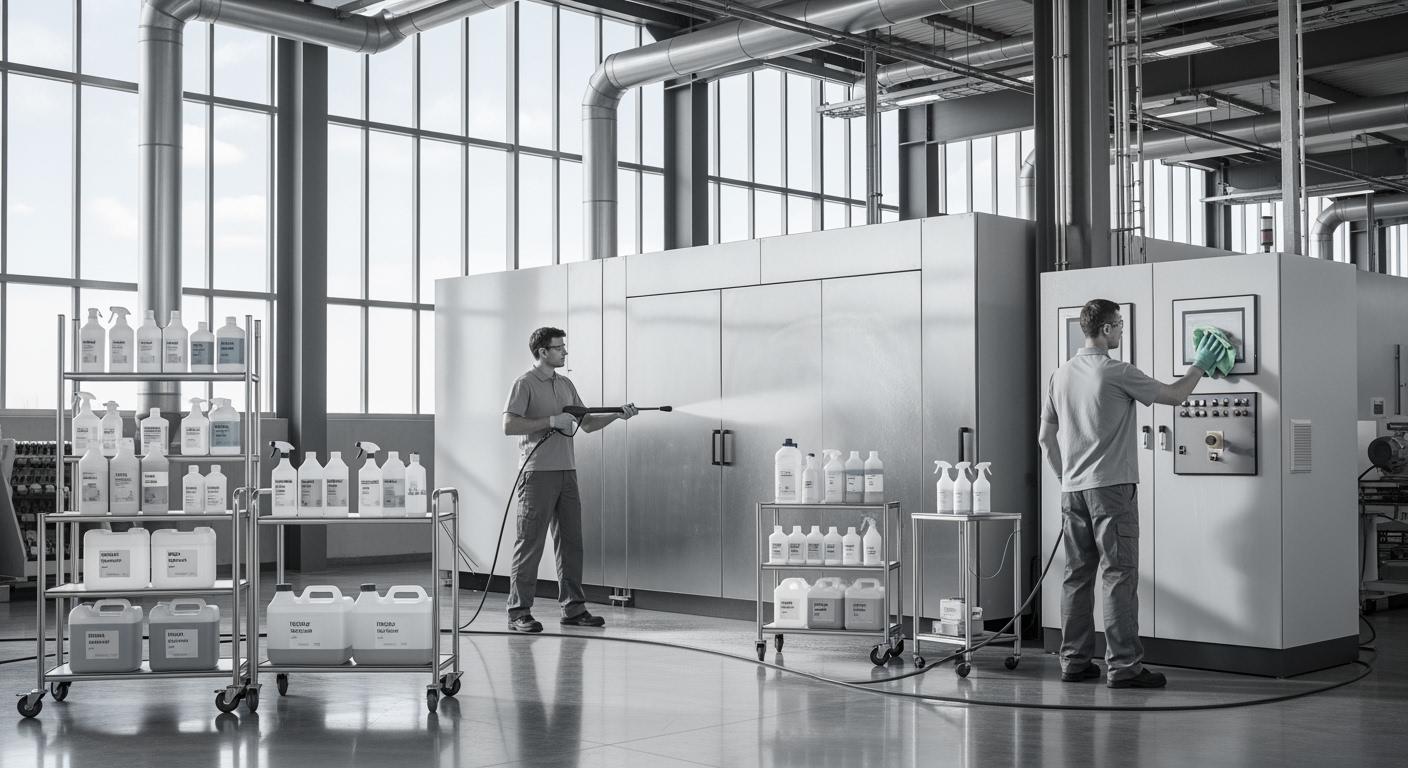
Water-based cleaners are known for their excellent cleaning power. They can effectively clean machinery without damaging surfaces. For instance, the Torrent water-based parts cleaning system excels at removing oil residue from complex machined parts. This system not only improves cleaning efficiency but also addresses safety risks and unpleasant odors that often come with traditional solvents.
Here are some key benefits of using water-based cleaners for precision cleaning:
They effectively remove clogs without the need for scrubbing.
The cleaning process is efficient, requiring only immersion.
They are non-flammable, significantly reducing fire hazards compared to kerosene-based cleaners.
Quick Contaminant Removal
When it comes to removing oil, grease, and other industrial contaminants, water-based cleaning solutions shine. They reduce dependency on solvent-based chemicals, making them a reliable alternative. This versatility allows them to be used across multiple industrial processes, supporting continuous production without disruption.
Consider these points about their effectiveness:
Water-based cleaners are suitable for various applications, ensuring that businesses can maintain operational continuity even during solvent shortages.
They provide a safe and efficient way to keep machinery clean, which is crucial for maintaining productivity.
In 2026, adopting a water-based cleaner for machinery is a smart move. These cleaners offer long-term cost savings, improved workplace safety, and a positive environmental impact. Consider these benefits:
Healthier employees lead to fewer sick days.
Switching to water-based solutions not only enhances your operations but also supports a sustainable future.
FAQ
What are water-based cleaners?
Water-based cleaners are cleaning solutions primarily made from water, designed to effectively clean machinery while being safer for health and the environment.
Are water-based cleaners effective for heavy-duty cleaning?
Yes! Water-based cleaners can tackle heavy-duty cleaning tasks, removing grease and grime without damaging machinery surfaces.
How do water-based cleaners benefit the environment?
They produce fewer VOC emissions, generate less hazardous waste, and support sustainable practices, making them eco-friendly alternatives to solvent-based cleaners.