Maintaining Stainless Steel in 2026: Tips You Need to Know
Maintaining stainless steel surfaces is crucial for enhancing their longevity and appearance. Regular upkeep prevents stains and corrosion, ensuring a hygienic surface. You might worry about the best cleaning methods or products. Utilizing the right stainless steel kitchen degreaser can simplify your maintenance and cleaning tips significantly.
Key Takeaways
Clean stainless steel daily with warm water and a soft cloth to prevent dirt buildup and maintain hygiene.
Use specialized stainless steel cleaners for deep cleaning to effectively remove tough stains without damaging the surface.
Apply protective coatings to enhance durability and prevent fingerprints and bacteria buildup on stainless steel surfaces.
Cleaning Methods
Daily Cleaning
Maintaining stainless steel products requires frequent attention to preserve their quality and hygiene. You should clean these surfaces daily to prevent the buildup of dirt and bacteria. Using a soft cloth and warm water is an easy-to-clean method that effectively removes minor stains and fingerprints. This simple cleaning process ensures your stainless steel products remain in top condition, especially in food preparation areas where hygiene is paramount.
Tip: Avoid abrasive materials that can scratch the surface. Instead, opt for microfiber cloths that gently polish without causing damage.
Deep Cleaning Techniques
For stubborn stains, deep cleaning techniques become necessary. Laser cleaning technology offers an advanced solution for removing tough contaminants from stainless steel surfaces. This method uses a high-density laser beam to evaporate dirt without harming the metal. It’s an environmentally friendly option that leaves no residue and doesn’t require additional mechanical processes. Incorporating this technique ensures your stainless steel products maintain their quality and remain easy to clean.
Recommended Products
Choosing the right products is crucial for maintaining stainless steel surfaces. Look for cleaners specifically designed for stainless steel products, as they provide the best results without compromising the surface integrity. Products containing sodium hypochlorite are particularly effective, as they eliminate biofilms formed by Pseudomonas aeruginosa. Frequent cleaning with these disinfectants significantly reduces bacterial adhesion, ensuring your surfaces remain hygienic.
Using Stainless Steel Kitchen Degreaser
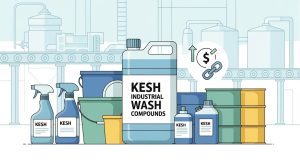
A stainless steel kitchen degreaser is essential for tackling grease and grime in food preparation areas. This product simplifies the cleaning process, making it easy to clean surfaces that encounter frequent use. Apply the degreaser directly to the surface, allowing it to break down grease and food residues efficiently. Regular use of a stainless steel kitchen degreaser ensures your kitchen appliances stay in pristine condition, enhancing their longevity and maintaining their quality.
Note: Always follow the manufacturer’s instructions when using cleaning products to ensure optimal results and prevent damage.
Protective Measures
Coatings and Treatments
To enhance the durability of stainless steel products, consider applying specialized coatings and treatments. These options not only protect the surface but also improve its appearance. [Here are some effective coatings]:
Coating Type | Description | Lifespan | Renewal Method |
|---|---|---|---|
Anti-Fingerprint Coatings | Self-assembled monolayers that reduce surface energy, making fingerprints easy to wipe off. | 1–3 years | Re-apply spray |
Antibacterial Coatings | Incorporate silver or titanium dioxide nanoparticles that kill bacteria effectively. | Varies | N/A |
Using these coatings can significantly extend the lifespan of your stainless steel surfaces. They help maintain high levels of hygiene by preventing the buildup of dirt and bacteria.
Avoiding Damage
You can easily avoid damage to your stainless steel products by following a few simple guidelines. First, always use soft cleaning materials. Abrasive pads can scratch the smooth surface, leading to corrosion over time. Second, avoid exposing stainless steel to harsh chemicals. Products containing chlorine or bleach can compromise the integrity of the surface.
Tip: When using cleaning products, always check the label to ensure they are safe for stainless steel. This precaution helps maintain the surface’s durability and hygienic properties.
Best Practices
Implementing best practices can significantly enhance the maintenance of your stainless steel surfaces. Here are some recommended strategies:
Best Practice | Description |
|---|---|
Surface Treatments | Tailored surface treatments are applied to enhance durability and surface integrity. |
Corrosion Protection | High-performance corrosion protection is implemented to ensure long-term durability. |
Acid Pickling and Passivation | These processes are performed to optimize surface integrity and enhance corrosion resistance. |
By following these best practices, you ensure that your stainless steel products remain in excellent condition. Regular maintenance not only preserves their appearance but also enhances their hygienic properties, making them ideal for various applications.
Application Tips
Kitchen Appliances
When it comes to maintaining stainless steel products in your kitchen, immediate cleaning after installation is crucial. This practice prevents the buildup of dirt and bacteria, ensuring optimal hygiene. Use warm soapy water and a non-abrasive sponge or cloth to clean your appliances. Avoid harsh chemicals that can damage the surface. Rinse and dry thoroughly to prevent water spots or rust. Laser cleaning technology offers an advanced solution for treating stainless steel surfaces. It removes dirt without damaging the metal, making it effective for surfaces of all shapes, including hard-to-reach places.
Outdoor Furniture
Stainless steel products used outdoors require special attention due to exposure to the elements. Regular cleaning with mild soap and water helps maintain their appearance and hygiene. Avoid prolonged exposure to acidic or corrosive substances, which can compromise the surface integrity. Applying protective coatings can enhance durability and prevent damage from environmental factors. These measures ensure your outdoor furniture remains in excellent condition, providing long-lasting beauty and functionality.
Commercial Use
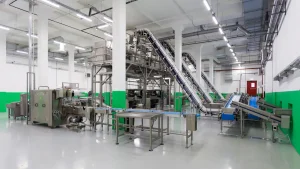
In commercial kitchens and food service environments, stainless steel products are favored for their hygienic properties. Their smooth, non-porous surface prevents dirt, bacteria, and contaminants from accumulating. Follow a cleaning protocol that includes using warm soapy water and a non-abrasive sponge or cloth. Avoid harsh chemicals and abrasive cleaners. Rinse and dry thoroughly to prevent water spots or rust. These practices ensure your stainless steel products maintain their quality and hygiene, making them ideal for high-demand settings.
To maintain your stainless steel surfaces, follow these key tips:
Clean daily with warm water and a soft cloth.
Use specialized products for deep cleaning.
Apply protective coatings to enhance durability.
Implement these practices to keep your stainless steel looking great and lasting longer! 🌟
FAQ
What is the best way to remove scratches from stainless steel?
To remove scratches, use a stainless steel cleaner and a soft cloth. Always follow the grain of the metal for best results.
How often should I clean my stainless steel appliances?
You should clean your stainless steel appliances daily to prevent dirt buildup and maintain hygiene.
Can I use vinegar to clean stainless steel?
Yes, you can use vinegar. It effectively removes stains but always rinse with water afterward to avoid residue.