Choosing the Right Chemicals for Effective Food Processing Cleaning
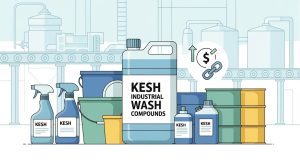
Selecting the right cleaning chemicals is crucial in food processing cleaning. These chemicals play a vital role in ensuring food safety and maintaining product quality. They help sanitize and disinfect surfaces, reducing harmful microorganisms. Effective cleaning processes prevent foodborne illnesses, which can arise from improper sanitation practices.
In the food industry, chemicals are routinely used to sanitize and disinfect product contact surfaces. These chemicals provide a necessary and required step to ensure that the foods produced and consumed are as free as possible from microorganisms that can cause foodborne illness.
Key Takeaways
Choose the right cleaning chemicals to ensure food safety and maintain product quality. Effective cleaning prevents foodborne illnesses.
Understand the difference between sanitizing and disinfecting. Use sanitizers on food contact surfaces and disinfectants in areas needing higher microbial control.
Follow safety and regulatory standards when using cleaning chemicals. Use PPE and conduct residue testing to ensure safe food processing.
Key Terms in Food Processing Cleaning
Sanitizing vs. Disinfecting
Understanding the difference between sanitizing and disinfecting is essential in food processing cleaning. Both processes aim to reduce harmful microorganisms, but they do so in different ways.
Sanitizing: This process reduces microorganisms of public health importance to safe levels. It ensures that the quality and safety of food products remain intact. Sanitizers are often used on surfaces that come into direct contact with food.
Disinfecting: This involves destroying or irreversibly inactivating specified infectious fungi and bacteria on hard surfaces. Disinfectants do not necessarily eliminate spores. They are typically used in areas where a higher level of microbial control is necessary.
In food processing, cleaning and sanitation programs are crucial for controlling microorganisms. Mechanical treatments like brushing and scrubbing may not be sufficient. Chemical sanitizers in cleaning-in-place (CIP) systems help reduce microbial contamination effectively. However, they may not completely eliminate biofilms. The effectiveness of these sanitizers depends on factors such as temperature, time, type, and concentration. Common disinfectants like chlorine and oxisan are favored for their bactericidal properties and safety, leaving no harmful residues on materials.
Overview of Cleaning Agents
Cleaning agents play a vital role in food processing cleaning. They can be categorized based on their primary functions. Here is a summary of the main categories of cleaning agents used in food processing:
Category | Primary Function |
|---|---|
Chlorine and Chlorine-Based | Disinfect bacteria, yeast, and viruses. |
Compounds |
|
Ozone | Eliminate microorganisms and chemical residues. |
Peracetic Acid (PAA) | Remove bacteria, mold, and microorganisms. |
Natural Cleaners | Reduce mineral buildup and enhance cleaning efficiency. |
These agents are essential for maintaining hygiene and ensuring food safety. Each type of cleaning agent serves a specific purpose, making it important to choose the right one for the task at hand.
Types of Cleaning Chemicals for Food Processing
Detergents and Surfactants
Detergents and surfactants are essential in food processing cleaning. They help remove dirt, grease, and food residues from surfaces. These agents work by reducing the surface tension of water, allowing it to penetrate and lift away contaminants.
Here are some common detergents and their effectiveness rates:
Detergent Type | Effectiveness Rate |
|---|---|
Hypochlorites | Widely used due to effectiveness, low cost, and ease of manufacturing. |
Sodium hypochlorite | Strong oxidizer, ideal sanitizer. |
Chlorine dioxide | Effective against bacteria, fungi, and viruses; requires lower concentrations for microbial mortality. |
Iodophors | Effective sanitizers and disinfectants, causing inactivation and cell wall damage. |
While detergents maximize hygiene, they can leave chemical residues if not rinsed properly. Proper concentration and application are crucial for effectiveness.
Sodium Hypochlorite and Other Sanitizers
Sodium hypochlorite is a popular sanitizer in food processing. It acts as a strong oxidizer, effectively reducing microbial contamination. Its broad-spectrum efficacy makes it suitable for various applications.
The following table outlines the efficacy of sodium hypochlorite compared to other sanitizers:
Sanitizer | Efficacy Description | Limitations |
|---|---|---|
Sodium Hypochlorite | Strong oxidizer causing broad microbial mortality by damaging cell membranes. | Corrosive to metals, health concerns, and environmental contamination. |
Chlorine Dioxide | Requires lower concentrations for microbial mortality; effective in organic loads. | Efficacy decreases with increased organic load, but operates well in a wider pH range. |
Acids, Alkalis, and Their Applications
Acids and alkalis also play significant roles in food processing cleaning. Acids, such as citric and acetic acid, help remove mineral deposits and scale. They are effective in cleaning equipment and surfaces that come into contact with food.
Alkalis, like sodium hydroxide, are effective in breaking down fats and proteins. They are often used in cleaning solutions for heavy-duty applications.
Using the right chemical for the specific cleaning task is vital for maintaining food safety and quality.
Choosing the Right Chemicals for Food Processing Cleaning
Effectiveness and Application
Selecting the right cleaning chemicals involves evaluating their effectiveness in food processing cleaning. The effectiveness of a cleaning chemical can be assessed using several criteria:
Criteria | Details |
|---|---|
Maintain below 80 ppm according to USDA standards. | |
Degradation Rate | Monitor to avoid residuals in wastewater. |
Performance Enhancement | Combine with clean water soaking or filtration systems. |
Microbial Removal Efficiency | Test against other disinfectants. |
To achieve effective microbial control, apply the chemical at a specified concentration for a required duration. Following product label instructions ensures optimal results. Compliance with EPA regulations regarding pesticide use is also essential. In food processing environments, cleaning chemicals such as hypochlorites and peroxyacetic acid (PAA) are commonly used to combat foodborne pathogens. Hypochlorites, particularly sodium hypochlorite, are favored for their effectiveness and low cost. PAA is noted for its efficacy against a wide range of microorganisms, including spores, and is effective even at low temperatures.
Safety and Regulatory Standards
Safety is paramount when selecting cleaning chemicals for food processing. Various regulatory bodies, including the FDA, USDA, and EPA, set standards that must be followed. Here are some key safety and regulatory standards:
Peracetic acid (PAA) concentration must be maintained below 80 ppm according to USDA standards.
Products used for washing fruits and vegetables must contain certified ingredients approved by the FDA.
Residue testing should be conducted using chemical test kits or analytical instruments like HPLC to ensure residues are within safety limits.
Chlorine residuals in washing water must not exceed 0.5 ppm.
Personal Protective Equipment (PPE) such as gloves, respirators, and safety goggles must be provided.
Standard Operating Procedures (SOPs) should be developed to guide safe chemical handling practices.
In the food industry, chemicals used for sanitization and disinfection must meet specific regulatory requirements. These chemicals are often registered as pesticides with the U.S. Environmental Protection Agency (EPA). The U.S. Food and Drug Administration (FDA) oversees the allowable residues and their monitoring in food processing and preparation. Additionally, facilities under the jurisdiction of the U.S. Department of Agriculture (USDA) must use products approved by the USDA.
Environmental Considerations
Environmental impact is another critical factor when choosing cleaning chemicals. Minimizing the environmental footprint of cleaning chemical use in food processing can be achieved through several best practices:
Use natural cleaners to reduce chemical impact.
Control chemical residues to prevent contamination.
Ensure water quality to support safe cleaning processes.
Protect workers from exposure to harmful chemicals.
Install wastewater treatment systems to manage chemical disposal.
By adopting these practices, food processors can contribute to a more sustainable operation while maintaining high standards of food safety. Effective surface cleaning helps prevent contamination between production areas and food products, ensuring food safety.
Choosing the right cleaning chemicals is vital for food safety and quality. Consider effectiveness, safety, and environmental impact when making decisions. Adhering to regulatory standards ensures compliance. Informed choices lead to safer food processing practices and help prevent contamination. Prioritize hygiene for a healthier food supply. 🍽️
FAQ
What are the main types of cleaning chemicals used in food processing?
Common types include detergents, sanitizers like sodium hypochlorite, and acids for mineral removal.
How do I ensure the safety of cleaning chemicals?
Follow regulatory guidelines, use PPE, and conduct residue testing to ensure safety.
Why is environmental impact important in cleaning chemical selection?
Choosing eco-friendly options reduces pollution and protects worker health while maintaining food safety standards.