The Ultimate Guide to Automotive Industry Cleaning in 2026
Cleanliness plays a crucial role in the automotive industry cleaning processes within workshops. It directly affects safety, efficiency, and compliance. A clean environment reduces the risk of accidents and enhances the overall workflow. By 2026, standards for cleanliness in the automotive industry cleaning have evolved significantly. For example, ISO 16232 has transformed into a comprehensive process control framework. This framework ties cleanliness limits to potential failure mechanisms. You can also expect to see AI-powered particle analysis and automated microscopy integrated into your automotive industry cleaning processes. These innovations make achieving a spotless workspace not just a goal, but a necessity in the automotive industry.
Key Takeaways
Cleanliness in workshops boosts safety and efficiency.
Daily cleaning routines prevent dirt buildup and hazards.
Organized tools save time and reduce accidents.
Eco-friendly cleaners protect the environment and health.
Training staff fosters a culture of cleanliness.
Why Cleanliness Matters
Safety and Health Benefits
Cleanliness in automotive workshops is not just about aesthetics; it plays a vital role in ensuring the safety and health of everyone involved. A clean workspace reduces the risk of accidents and exposure to harmful substances. Here are some common health risks associated with unclean automotive workshops:
Asbestos: This can cause mesothelioma, a severe cancer, due to inhalation of dust from brake pads.
Antiknock Agents: These can lead to eye irritations, headaches, and liver problems.
Manganese: Prolonged exposure can result in Manganism, which affects the central nervous system.
Lead Dust and Fumes: Exposure can cause neurological damage, leading to symptoms like memory loss and depression.
Solvents & Diesel Exhaust Fumes: These can lead to breathing problems and other severe health issues.
By maintaining a clean environment, you can significantly reduce these risks. Regular cleaning helps eliminate chemical residues that can harm workers. Symptoms of exposure include skin irritation, chemical burns, and internal damage, which can lead to serious health issues. Auto mechanics often face exposure to harmful heavy metals and various hazardous chemicals. Keeping your workspace clean can prevent these fatal consequences.
Efficiency Gains
A clean workshop boosts operational efficiency. When you keep your workspace organized, you save time and effort. You can find tools and parts quickly, which means less downtime. Here’s how cleanliness contributes to efficiency:
Reduced Clutter: A tidy workspace minimizes distractions, allowing you to focus on the task at hand.
Streamlined Processes: When everything has its place, you can move through your tasks more smoothly.
Improved Morale: A clean environment fosters a positive atmosphere, which can enhance productivity.
In the automotive industry cleaning, cleanliness is not just a best practice; it’s essential for smooth operations. By prioritizing cleanliness, you create a safer and more efficient workspace for yourself and your team.
Best Practices for Automotive Industry Cleaning
Daily Cleaning Routines
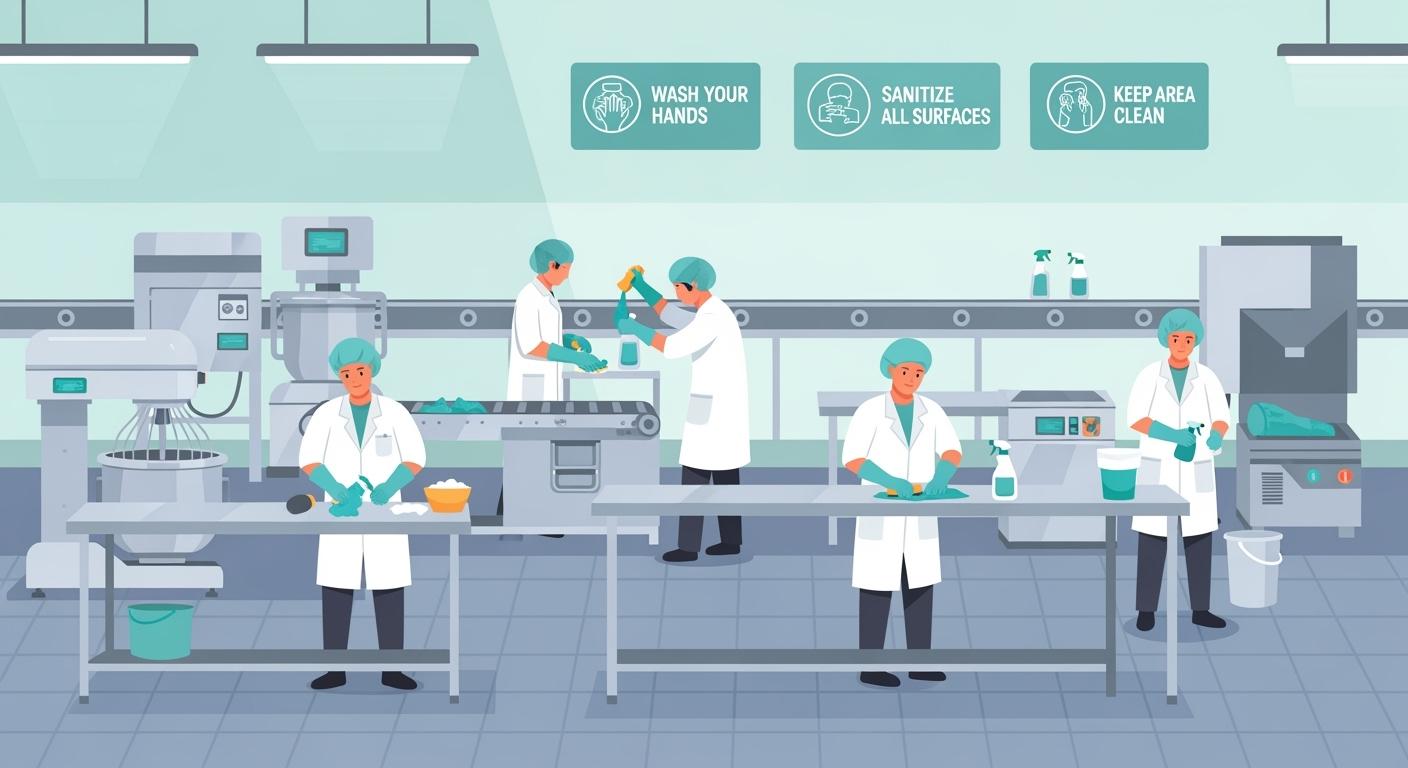
Establishing daily cleaning routines is essential for maintaining a safe and efficient automotive workshop. These routines help you stay on top of cleanliness and prevent the buildup of dirt and debris. Here’s a simple checklist to guide your daily cleaning efforts:
Start with a Sweep: Begin each day by sweeping the floors. This removes dust and debris that can accumulate overnight.
Wipe Down Surfaces: Use a suitable cleaner to wipe down workbenches, tools, and equipment. This helps eliminate harmful residues and keeps your workspace hygienic.
Organize Tools: After using tools, return them to their designated spots. This not only keeps your workspace tidy but also ensures you can find what you need quickly.
Inspect for Hazards: Take a moment to check for any spills or hazards. Addressing these immediately can prevent accidents.
End-of-Day Cleanup: Before leaving, do a final sweep and wipe down surfaces again. This sets you up for a clean start the next day.
By following these daily routines, you create a culture of cleanliness that benefits everyone in the workshop.
Organizing Tools
An organized workspace is crucial for efficiency and safety in automotive industry cleaning. When tools are easy to find and properly stored, you minimize downtime and reduce the risk of accidents. Here are some effective strategies for organizing your tools:
Dedicated Tool Crib Manager: Assign someone to manage the tool crib. This person ensures that tools are accounted for and organized.
Effective Organization System: Implement a systematic approach to organizing tools. You can categorize them by function or size, making it easier to locate what you need.
Regularly Update Your Tool Crib Database: Use modern tracking systems to keep accurate records of tools. This prevents errors and ensures you know what you have on hand.
Check-in and Check-out Policy: Establish a reliable method for tracking tool usage. This way, you always know who has what tool, reducing the chances of loss.
Secure Location: Store tools in a secure area to minimize theft and loss. A locked tool crib protects your valuable equipment.
Here’s a quick reference table summarizing the key aspects of tool organization:
Key Aspect | Description |
|---|---|
Efficient Tool Access | Ensures tools are easily found, minimizing downtime and enhancing productivity. |
Prevention of Loss and Theft | Organized tool cribs reduce the risk of accidental losses and theft, contributing to safety. |
Dedicated Management | Having a tool crib manager ensures accountability and effective organization. |
Systematic Organization | Implementing a clear organization system enhances efficiency. |
Regular Updates | Keeping the tool database updated prevents errors and ensures tools are accounted for. |
Secure Location | A secure tool crib protects valuable tools and enhances safety by limiting access. |
By adopting these best practices, you’ll not only improve the cleanliness of your workshop but also enhance the overall efficiency of your operations. Remember, a clean and organized workspace leads to better performance and safety for everyone involved.
Innovative Cleaning Technologies
Eco-Friendly Solutions
In 2026, eco-friendly cleaning solutions have become a game-changer in the automotive industry cleaning landscape. You can now find biodegradable cleaners that effectively remove grease and grime without harming the environment. These products not only protect the planet but also ensure a safer workspace for you and your team. Here are some popular eco-friendly options:
Plant-Based Cleaners: These cleaners use natural ingredients, making them safe for both users and the environment.
Waterless Car Wash Products: These solutions allow you to clean cars without using excessive water, conserving this precious resource.
Recyclable Cleaning Materials: Many companies now offer cleaning cloths and tools made from recycled materials, reducing waste.
By choosing eco-friendly solutions, you contribute to a healthier planet while maintaining high standards of cleanliness in your workshop.
Automation in Cleaning
Automation is revolutionizing how you approach cleaning in automotive workshops. Automated cleaning systems save time and improve efficiency, allowing you to focus on more critical tasks. Here’s how automation can benefit your operations:
Increased Productivity: Automated systems free up time for employees to concentrate on repairs and customer service.
Reduced Energy Costs: For instance, automatic parts washers clean components quickly, leading to lower energy consumption.
Time Savings: You spend less time on manual cleaning, which means faster turnaround times for your projects.
However, implementing these technologies comes with challenges. Here’s a quick look at some common hurdles:
Challenge Type | Description |
|---|---|
Personnel Competency | Continuous training is essential to ensure quality and prevent contamination risks. |
Capital Investment | Significant costs are associated with new equipment and systems. |
Adherence to Safety Standards | Understanding complex standards requires expert knowledge for proper implementation. |
By embracing automation, you can streamline your cleaning processes and enhance overall efficiency in your workshop.
Compliance and Standards
Understanding Regulations
In the automotive industry cleaning, understanding regulations is crucial for maintaining a safe and compliant workspace. Standards like ISO 16232 and VDA 19 set the bar for cleanliness in workshops. These regulations help you ensure that your processes meet technical cleanliness requirements. To stay ahead, consider conducting a Gap Analysis against these standards. This analysis will help you identify areas needing improvement, such as facility design, equipment, and process requirements.
Common pitfalls include inadequate facility design, unclear Standard Operating Procedures (SOPs), insufficient personnel training, and neglecting upstream process control. By addressing these issues, you can create a more compliant and efficient workshop.
Remember, a Cleanliness Lab is essential for assessing the cleanliness of automotive components. These labs verify that contamination levels meet defined specifications, especially for Tier 1 Suppliers. They act as quality gateways before delivery to Original Equipment Manufacturers (OEMs), reducing rejection risks and boosting customer confidence.
Best Practices for Compliance
To ensure compliance with cleanliness regulations, you should adopt several best practices in your workshop:
Implement Proper Cleaning Methods: Use effective techniques to remove hazardous chemical residues from machine parts.
Utilize Protective Equipment: Equip your team with industrial workwear to safeguard against exposure to harmful substances.
Adhere to Safety Standards: Follow OSHA regulations to prevent harmful practices during the cleaning of automotive parts.
By embedding cleanliness into your product design from the start, investing in advanced tools, and fostering a quality-first culture, you can enhance compliance and operational efficiency.
Incorporating these practices not only helps you meet regulatory requirements but also promotes a safer and more productive environment for everyone involved.
Cultivating a Clean Culture
Training Staff
Training your staff is essential for fostering a clean culture in your automotive workshop. When you invest time in educating your team about cleanliness, you empower them to take ownership of their workspace. Here are some effective training strategies:
Hands-On Workshops: Conduct practical sessions where employees learn proper cleaning techniques. This approach helps them understand the importance of cleanliness in maintaining safety and efficiency.
Regular Refreshers: Schedule periodic training sessions to keep cleanliness at the forefront of everyone’s mind. This ensures that your team stays updated on best practices and new cleaning technologies.
Visual Aids: Use posters and checklists around the workshop to remind staff of cleaning protocols. Visual cues can reinforce training and encourage adherence to cleanliness standards.
By prioritizing training, you create a knowledgeable workforce that values cleanliness as part of their daily routine.
Incentives for Cleanliness
Incentives can significantly boost your team’s motivation to maintain a clean workspace. When you recognize and reward cleanliness, you encourage a culture that prioritizes hygiene. Here are some ideas for implementing effective incentives:
Recognition Programs: Create a “Cleanest Workstation” award to acknowledge employees who consistently keep their areas tidy. This recognition can foster friendly competition and motivate others to follow suit.
Team Bonuses: Consider offering bonuses for achieving cleanliness goals as a team. This approach promotes collaboration and reinforces the idea that everyone plays a role in maintaining a clean environment.
Feedback and Suggestions: Encourage your staff to share their ideas for improving cleanliness. When you implement their suggestions, it shows that you value their input and commitment to a clean culture.
By integrating these incentives, you can cultivate a clean culture that benefits everyone in your workshop. A clean workspace not only enhances safety but also boosts morale and productivity.
In summary, cleanliness in automotive workshops is vital for safety, efficiency, and compliance. By adopting best practices, you can create a safer environment for yourself and your team. Here are some key takeaways to keep in mind:
Integrate cleanliness into product design from the start.
Invest in advanced inspection tools like SEM/EDX.
Use data-driven process controls to enhance cleanliness.
Train your personnel and foster a quality-first culture.
As you move forward, stay updated with the latest technologies and standards, like the updated VDA 19.1, which emphasizes cleanliness as a functional safety requirement. Remember, a clean workspace not only improves productivity but also enhances the overall quality of your work.
FAQ
What are the key benefits of maintaining cleanliness in an automotive workshop?
Keeping your workshop clean boosts safety, enhances efficiency, and ensures compliance with industry standards. A tidy environment reduces accidents and improves workflow, making it easier for you to find tools and parts quickly.
How often should I clean my automotive workshop?
You should establish daily cleaning routines to maintain a safe and efficient workspace. Regular cleaning prevents dirt buildup and ensures that your workshop remains organized and compliant with health regulations.
What eco-friendly cleaning products can I use?
Consider using plant-based cleaners, waterless car wash products, and recyclable cleaning materials. These options effectively clean while being safe for the environment, helping you maintain a sustainable workshop.
How can I train my staff on cleanliness best practices?
Conduct hands-on workshops and regular refresher courses to educate your team about cleaning techniques. Use visual aids like posters to reinforce training and keep cleanliness top of mind.
What are some common compliance regulations in the automotive industry?
Key regulations include ISO 16232 and VDA 19, which set cleanliness standards for automotive workshops. Understanding these regulations helps you maintain compliance and ensures that your processes meet industry requirements.