Cleaning metal parts properly is crucial for their longevity. When you skip proper metal parts cleaning techniques, you risk corrosion from leftover residues or incorrect chemical balances. Inadequate rinsing can trap moisture, leading to further damage. Fortunately, you can employ various effective cleaning methods to keep your metal parts in top shape.
Key Takeaways
Choose the right cleaning method for your metal parts. Aqueous cleaning is great for water-soluble contaminants, while solvent-based cleaning works well for oils and greases.
Apply protective coatings after cleaning. Rust preventives create a barrier against moisture, significantly extending the lifespan of your metal parts.
Store cleaned metal parts properly. Use moisture-resistant packaging and maintain stable humidity to prevent rust and corrosion.
Cleaning Methods for Metal Parts
When it comes to cleaning metal parts, you have several effective methods at your disposal. Each method has its strengths and is suited for different types of contaminants and metal surfaces. Let’s dive into the most common cleaning techniques.
Aqueous Cleaning
Aqueous cleaning uses water-based solutions to remove contaminants from metal parts. This method is particularly effective for removing particulates, inorganic soils, and water-soluble contaminants. Here are some key points about aqueous cleaning:
Effectiveness: Aqueous cleaning excels in mixed contamination scenarios. It can handle heavy oil contamination and embedded particulates, making it ideal for large industrial components.
Process: Typically, the process involves several steps:
Preliminary cleaning to remove loose debris.
Immersion in a heated tank to enhance cleaning efficiency.
Agitation to dislodge stubborn contaminants.
Thorough rinsing to ensure no residues remain.
Drying to prevent water spots or corrosion.
While aqueous cleaning is generally more environmentally friendly, it does have some drawbacks. It can consume a lot of water and may lead to hazardous wastewater discharges if not managed properly. However, it remains a popular choice due to its effectiveness and lower toxicity compared to solvent-based methods.
Solvent-Based Cleaning
Solvent-based cleaning involves using chemical solvents to dissolve and remove contaminants from metal parts. This method is particularly effective for oils, greases, and waxes, especially on water-sensitive components. Here’s what you need to know:
Types of Solvents: Common solvents include petroleum-based, chlorinated, and bio-based solvents. Each type has its advantages and disadvantages:
Type of Solvent
Advantages
Disadvantages
Petroleum-Based Solvents
Penetrates thick grease and grime
Flammable, may leave oily residue
Chlorinated Solvents
Non-flammable, excellent for vapor degreasing
Toxic, regulated due to environmental concerns
Bio-Based / Citrus-Based Solvents
Low toxicity, pleasant scent
Slower cleaning action, higher cost
Surface Integrity: While solvent-based cleaning is effective, you must choose your solvents carefully. Some can harm sensitive metals like aluminum, leading to corrosion or surface damage. Always consider the type of contaminants and the metal’s properties before selecting a solvent.
Ultrasonic Cleaning
Ultrasonic cleaning is a highly effective method for cleaning metal parts with complex geometries. This technique uses high-frequency sound waves to create cavitation bubbles in a cleaning solution. Here’s why ultrasonic cleaning stands out:
Deep Cleaning: Ultrasonic cleaning can reach intricate areas that are hard to clean manually. The cavitation process generates intense localized forces that dislodge contaminants without harsh scrubbing.
High Success Rate: Many industries, including aerospace and medical manufacturing, rely on ultrasonic cleaning for its effectiveness. It ensures that even the tiniest contaminants are removed, which is crucial for maintaining high cleanliness standards.
Post-Cleaning Care for Longevity
After you clean your metal parts, it’s essential to take steps to preserve them. Proper post-cleaning care can significantly enhance their lifespan and performance. Let’s explore two critical aspects: coatings and sealants, as well as proper storage techniques.
Coatings and Sealants
Applying coatings and sealants is a smart way to protect your metal parts from corrosion and wear. These protective layers act as barriers against moisture and contaminants. Here are some effective options you might consider:
Rust Preventives: Always apply rust preventives to every product you ship. These create a protective layer on metal surfaces, helping to fend off corrosion.
Water-Based Corrosion Inhibitors: For short-term protection, consider using RP 737. This dilutable solution can be applied during the rinse process.
Oil-Based Corrosion Inhibitors: If you need long-term protection, RP 800 is ready-to-use and provides excellent coverage.
Effective surface preparation is crucial. It improves coating performance and extends the service life of components, especially those operating in challenging environments. So, make sure to clean the surface thoroughly before applying any coatings.
Proper Storage Techniques
Storing your cleaned metal parts correctly is just as important as the cleaning process itself. The right storage conditions can prevent rust and corrosion, ensuring your parts remain in excellent condition. Here are some tips to keep in mind:
Optimize Packaging: Use moisture-resistant materials and desiccants to protect your parts during storage.
Control Environmental Conditions: Maintain stable humidity and temperature levels to minimize the risk of oxidation.
Choose Indoor Storage: Whenever possible, store your metal parts indoors. Outdoor exposure to elements can significantly increase the risk of rust.
Be aware of common mistakes that can lead to degradation. High humidity and poor packaging methods can expose your parts to moisture, increasing the likelihood of corrosion. Using moisture-absorbing bags for small parts can be particularly effective.
Neglecting post-cleaning care can lead to serious long-term effects. For instance, corrosion can create uneven textures on metal surfaces, affecting product quality. Additionally, rust can increase maintenance costs and even cause production slowdowns. It’s clear that taking the time to care for your metal parts after cleaning pays off in the long run.
By following these guidelines, you can ensure that your metal parts remain in top condition, ready for use whenever you need them.
Rust Prevention Tips for Metal Parts Cleaning
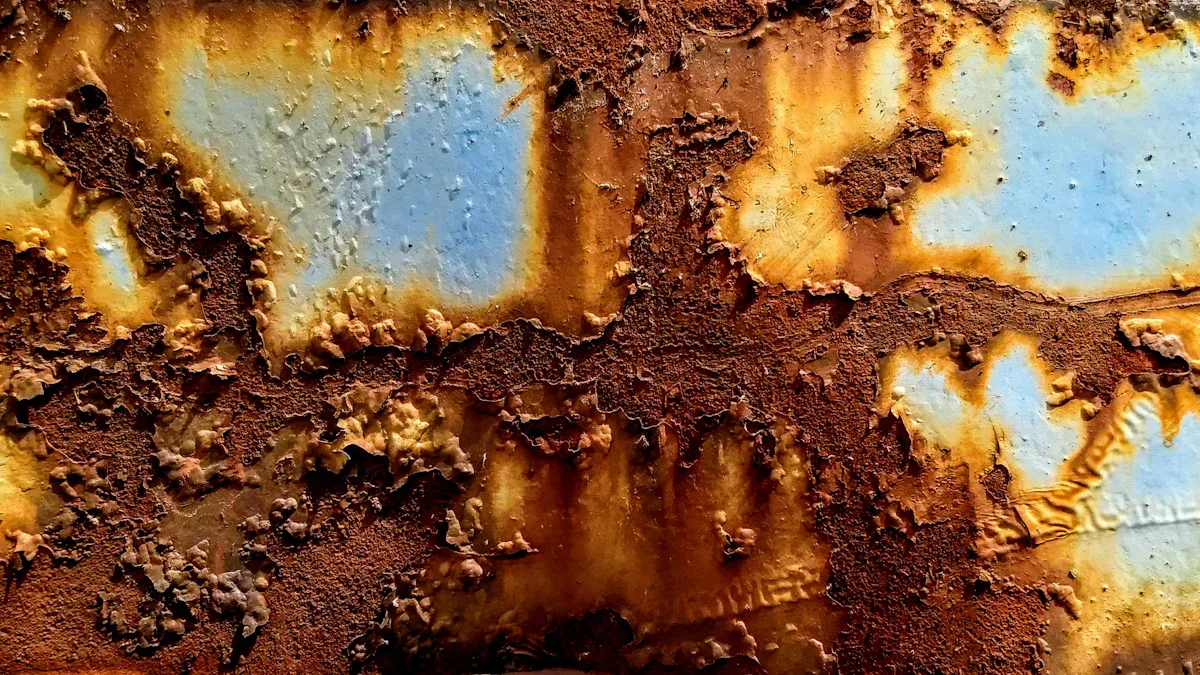
Keeping your metal parts rust-free after cleaning is essential for their longevity. Here are some practical tips to help you prevent rust effectively.
Regular Maintenance Practices
Regular maintenance is key to preventing rust from forming on your metal parts. Here are some practices you should consider:
Optimize Packaging: Use moisture-resistant materials and desiccants to protect your metal surfaces from humidity and oxygen exposure.
Control Environmental Conditions: Keep temperature fluctuations to a minimum. Using climate-controlled storage can help.
Maintain Water Quality: Regularly test and treat water used in cleaning processes. This prevents corrosive elements from being introduced during the cleaning phase.
Use Appropriate Cleaning Fluids: Choose cleaning fluids based on your needs. For instance, water-based cleaners work well for removing salts and oxides, while solvent-based cleaners are better for oils and greases.
Apply Rust Preventives: After cleaning, coat your metal surfaces with rust preventives. This creates a protective layer that reduces the risk of corrosion.
Regular inspections are also crucial. Check your metal parts frequently, especially if they’re in humid environments or frequently handled. Establish a maintenance schedule based on your specific conditions to catch any rust early.
Recommended Products
Using the right products can make a significant difference in rust prevention. Here’s a list of top-rated rust prevention products that you might find helpful:
Product Name | Description |
|---|---|
Long-term rust preventative oil that forms a thin, oily film for protection. | |
ZERUST® Axxatec™ DA-23C | Dual-action water-based rust preventative and cleaner for short-term use. |
ZERUST® Axxatec™ DA-40AL | Designed for aluminum, this product offers short-term rust protection. |
ZERUST® Axxanol™ Spray-G | Sprayable grease for long-term indoor and outdoor storage. |
ZERUST® Axxanol™ 34CD | Solvent-based coating that forms a light, oily film for corrosion protection. |
These products can help you maintain your metal parts effectively. Remember, high humidity levels or direct contact with water can create an ideal environment for rust. Even trace amounts of moisture in packaging can lead to corrosion over time. So, always ensure that your storage conditions are optimal.
By following these tips and using the right products, you can significantly reduce the chances of rust forming on your metal parts after cleaning.
Cleaning metal parts properly is vital for their longevity. You can choose from various methods like solvent cleaning, alkaline cleaners, and ultrasonic cleaning. Each has its pros and cons. Remember to apply protective coatings and store your parts correctly. These steps will help you keep your metal parts in great shape!
Cleaning Method | Description | Advantages/Disadvantages |
|---|---|---|
Solvent Cleaning | Uses organic solvents to degrease surfaces. | Effective for removing oils but may have environmental concerns. |
Alkaline Cleaners | Aqueous solutions that remove heavy soils and solid oils. | Good for heavy contamination but may not be suitable for all metals. |
FAQ
What is the best method for cleaning metal parts?
The best method depends on the contaminants. Aqueous cleaning works well for water-soluble dirt, while ultrasonic cleaning excels for intricate geometries.
How often should I clean my metal parts?
You should clean your metal parts regularly, especially if they’re exposed to moisture or contaminants. Regular inspections help determine the right cleaning frequency.
Can I use household cleaners on metal parts?
Avoid household cleaners unless specified. They may contain harsh chemicals that can damage metal surfaces. Always choose cleaners designed for metal.