How to Clean Automotive Parts in 2026
Keeping your automotive parts clean ensures optimal performance and longevity. As cleaning practices evolve, innovative solutions emerge. By 2026, you can expect even more advanced technologies to enhance automotive parts cleaning. Embracing these changes will help you maintain your vehicle in peak condition for years to come.
Key Takeaways
Choose eco-friendly, water-based cleaning agents for effective and safe automotive parts cleaning.
Always wear protective gear and ensure proper ventilation to maintain safety while cleaning.
Consider both manual and machine-assisted cleaning methods to achieve the best results for your automotive parts.
Preparation
Tools and Products
To clean automotive parts effectively in 2026, you must choose the right tools and products. Using water-based cleaning agents is crucial. These agents are not only eco-friendly but also cost-effective. They work through a combination of physical and chemical reactions, ensuring thorough cleaning without damaging parts. Consider using products like the NCH ADS 800 Parts Cleaner. This automatic water-based degreasing cleaner effectively removes carbon, oil, grease, and dirt. Here’s a quick look at some recommended products:
Product Name | Description |
|---|---|
ACDelco Premiere Synthetic Blend | Specially reinforced oil film that helps keep the engine clean while delivering full performance power. |
NCH ADS 800 Parts Cleaner | Automatic water-based degreasing parts cleaner that removes carbon, oil, grease, and dirt effectively. |
Safety Measures
Safety should always be your top priority when cleaning automotive parts. You need to wear protective gear, such as gloves and goggles, to shield yourself from harmful substances. Proper ventilation is also essential. It prevents the buildup of fumes and ensures a safe working environment. Always follow the manufacturer’s instructions for each product. This practice not only protects you but also enhances the effectiveness of the cleaning process. Remember, a well-ventilated area and the right protective equipment can make a significant difference in your safety and the quality of your work.
Automotive Parts Cleaning Methods
Cleaning automotive parts effectively requires a combination of manual techniques and machine-assisted methods. Each approach has its advantages, and understanding them can help you choose the best method for your needs.
Manual Techniques
Manual cleaning techniques remain popular for their simplicity and effectiveness. Here are some effective methods to consider:
Start with a mixture of soap and water for initial cleaning. This basic solution helps remove loose dirt and grime.
Use appropriate cleaning agents like Simple Green for grease. However, be cautious of residues that may remain on the parts.
For rubber parts, warm water and light detergent work best. This approach avoids damage while ensuring cleanliness.
Oven cleaner can effectively remove baked-on grease from cast iron components. Apply it carefully to avoid damaging the surface.
Consider the final surface finish when cleaning. You want to avoid any methods that could scratch or mar the parts.
Dry or wet blasting can provide thorough cleaning. Ensure you remove all media afterward to prevent contamination.
Avoid high-pressure washing on sensitive parts. This practice can lead to gasket failure and other issues.
These manual techniques allow you to control the cleaning process closely, ensuring that you address specific areas of concern.
Machine-Assisted Methods
Machine-assisted methods offer efficiency and thoroughness that manual techniques may lack. Here are some popular options:
High-Pressure Cleaners: These machines use powerful jets of water to blast away dirt and grease. They are particularly effective for larger parts or those with heavy buildup.
Ultrasonic Washers: These devices use high-frequency sound waves to create tiny bubbles in a cleaning solution. The bubbles implode, creating a scrubbing action that reaches into crevices and removes contaminants effectively.
When comparing manual and machine-assisted methods, consider the following table that highlights their efficiency and convenience:
Cleaning Method | Efficiency on Grease | Convenience | Expense with Time | Frequency of Usage |
|---|---|---|---|---|
Manual Techniques | Fair | Low | Low | As needed |
High-Pressure Cleaners | High | Medium | Medium | Weekly |
Ultrasonic Washers | Exceptional | High | High | Monthly |
Machine-assisted methods can save you time and effort, especially for larger jobs. However, they may require an initial investment in equipment.
In 2026, the trend toward eco-friendly practices continues. Using water-based solutions in both manual and machine-assisted methods not only protects the environment but also ensures effective cleaning without harmful chemicals. Embracing these innovative cleaning methods will help you maintain your automotive parts in optimal condition.
Eco-Friendly Practices
Sustainable Products
In 2026, you should prioritize using sustainable cleaning products. These products not only protect the environment but also enhance your cleaning efficiency. Water-based cleaning agents stand out as a top choice. They contain 60-90% water, making them safer and less harmful than traditional solvents. Here are some benefits of using water-based cleaning agents:
Non-flammable: Unlike many organic solvents, water-based cleaners reduce the risk of fire hazards.
Lower toxicity: These agents minimize harmful fumes, making your workspace safer.
Cost-effective: Water-based solutions often have lower overall costs due to their concentrated formulas.
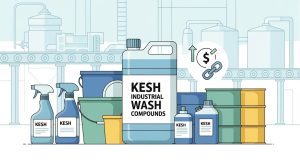
Using sustainable products helps you maintain a clean workspace while reducing your environmental footprint. Consider products like KESH’s range of water-based cleaners, which are designed for various industrial applications. They effectively remove grease and grime while being safe for both you and the environment.
Waste Management
Proper waste management is crucial when cleaning automotive parts. You must dispose of cleaning agents and contaminants responsibly. Here are some best practices to follow:
Separate waste: Keep hazardous materials separate from non-hazardous waste. This practice simplifies disposal and recycling.
Follow local regulations: Familiarize yourself with local waste disposal laws. Adhering to these regulations ensures you handle waste correctly.
Recycle whenever possible: Many cleaning products come in recyclable containers. Always check for recycling options to minimize waste.
By implementing these waste management strategies, you contribute to a cleaner environment. Remember, every small action counts. Your commitment to eco-friendly practices not only benefits your automotive parts but also helps protect the planet for future generations.
Cleaning automotive parts effectively ensures optimal performance and longevity. Use the right tools and eco-friendly products. Prioritize safety by wearing protective gear and working in well-ventilated areas. Remember to wash your car regularly to maintain its condition. Embrace these practices for a cleaner, safer environment.
FAQ
What are the best products for car maintenance?
Use water-based cleaning agents for effective car maintenance. They are eco-friendly and safe for various automotive parts.
How often should I clean my car parts?
You should clean your car parts regularly, ideally every few months, to maintain optimal performance and prevent buildup.
Are machine-assisted methods worth the investment?
Yes, machine-assisted methods save time and provide thorough cleaning, making them a worthwhile investment for serious car maintenance.